A sharp knife is dangerous, according to many; a dull knife is safer. People forget about maintaining their blades regularly, guided by this notion. But the blunt knife can inflict far greater damage than a properly sharpened implement. Comprehending why this is the case can lead to safer kitchens and workshops as well.

The Science of Sharpness and Safety
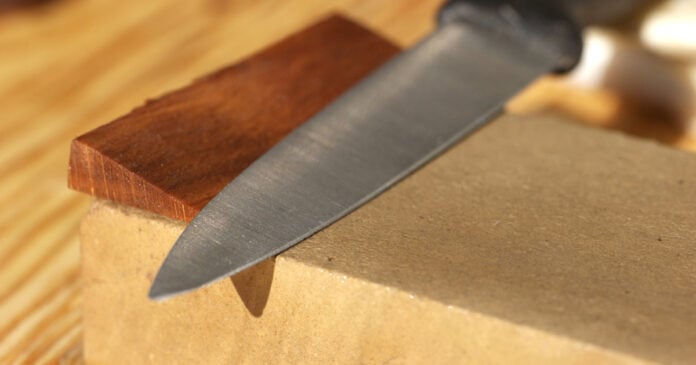
With a sharp knife, you need less force to cut through food or material. It glides effortlessly over skin with the slightest pressure. On the other hand, you have to put in more work with an unsharpened blade. As you can see, this force increases to a raster level, and the chances of slipping also increase, which leads to accidental injuries. If a blade fails to penetrate an object cleanly, hands may fly astray and create dangerous scenarios. The appeal of a professional knife sharpener lies in its ability to extend the life of quality knives while improving performance.
Poor Control Increases Accident Risk
A blunt knife tends to slip over the edge. Even with extra force from the user, the tool can stray from the target. And that lack of control results in accidents that sometimes lead to deep cuts. A dull blade, on the other hand, drags behind, unable to keep up with the pace of its wielder. Fewer accidents: fewer accidents thanks to better control

Inconsistent Cutting Surfaces Add Danger
Foods, especially those that are hard on the outside but soft on the inside, generate difficult-to-cut-through surfaces for a blunt blade. If a knife can’t go in, it might bounce or slide across the top. That puts hands and fingers in even more danger. Because of a sharp edge, it cuts through objects easily with a lesser likelihood of errors and protects users from avoidable accidents.
Fatigue Makes Accidents More Likely
You have to exert more effort when using a dull knife. Eventually, this leaves a weak hand, a worried grip, and loss of dexterity. Sleepy hands can lose their grip, making an accident more likely. A well-maintained tool requires less effort, meaning hands remain steady and vigilant. It lowers the risk of muscular injury from overuse.
Improper Cuts Create Hazards
With a blunt blade instead of a clean slice, the ingredient might be crushed or even torn. If the food gets torn, then it will most likely stick to the knife, and the next cut will be random. This tackiness can pull the tool offline and put fingers at risk. A well-sharpened knife allows for clean and predictable cuts, with no sudden slips and jerk movements that can lead to injury.

Maintenance Encourages Safe Habits
Sharpening the knives regularly encourages proper tool management. People who look after their equipment tend to develop safer behaviors too. They examine tools more often, avoid possible issues, and make the process a safer space for all parties. Regular care keeps kitchen and workshop tools in better working order for longer, paying dividends.
Myths of Dull Blades and Safety
Others say the dull blade does less damage if it slips. Still, a cut from a dull knife is usually worse in reality. Dull blades can create ragged, deep cuts that take longer to heal. Cuts made by sharp tools often heal faster and are easier for medical personnel to treat. This emphasizes the need for blades and their condition to be at their peak.
Encouraging Safer Workspaces
The right habits create safer environments. Spreading Awareness. Do you want to prevent an accident? Of course, proper teaching to others about the dangers of blunt knives will avoid these situations. It is crucial to regularly emphasize the importance of safety, encourage thorough handling, and ensure proper sharpening. These simple touches benefit both home and professional kitchens.

Conclusion
The history of kitchen knives: Sharp knives keep users safe; they require less force, provide greater control, and give cleaner cuts. Failing to care for our blades makes slips, fatigue, and even greater unpredictability more likely. If you have a habit of sharpening frequently, everyone can have a safe and efficient workspace. Tip: Remember that the best way to avoid injuries is to have all your tools in top shape. But with proper care and awareness, accidents can be reduced, and the environment can be made safer.