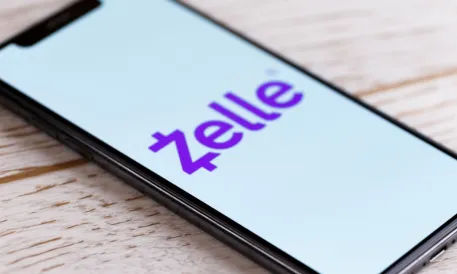
New York Attorney General Letitia James has filed a lawsuit against Early Warning Services, LLC (EWS), the company that operates the Zelle payment platform, accusing it of enabling widespread fraud that cost users more than $1 billion between 2017 and 2023.
EWS, which is owned and controlled by some of the nation’s largest banks — including JPMorgan Chase, Bank of America, Capital One, and Wells Fargo — allegedly designed Zelle without basic safety measures, despite knowing it was vulnerable to scammers. According to the Office of the Attorney General (OAG), the company failed to enforce meaningful anti-fraud rules on its partner banks or adopt safeguards to curb fraudulent activity.
The lawsuit follows the Consumer Financial Protection Bureau’s decision to drop a similar case, filed in December 2024, after a change in the federal administration. James is seeking restitution and damages for affected New Yorkers, as well as a court order requiring Zelle to implement anti-fraud measures.

“No one should be left to fend for themselves after falling victim to a scam,” James said in a statement. “I look forward to getting justice for the New Yorkers who suffered because of Zelle’s security failures.”
Launched in 2017 to compete with payment services such as Venmo, PayPal, and CashApp, Zelle allowed anyone with a U.S. bank account to send or receive near-instant transfers using an email address or mobile phone number. The OAG’s investigation found that its quick registration process lacked key verification steps, enabling scammers to create accounts using misleading identifiers tied to trusted businesses or government agencies.
Zelle’s emphasis on irreversible transactions meant victims often realized too late that they had been targeted. Common scams included unauthorized account transfers and tricking users into sending money under false pretenses — such as selling non-existent goods or impersonating a bank or utility company.
In one case cited by the OAG, a New York resident received a phone call from someone posing as a Con Edison employee who claimed the consumer’s energy bill was overdue and their “electricity was going to be shut off that day” unless payment was made via Zelle. The victim sent $1,476.89 to a Zelle account labeled “Coned Billing,” only to later learn it was fraudulent. JPMorgan Chase declined to refund the money.
Investigators allege that EWS and its partner banks were aware of rising fraud but took little action. Complaints were often reported long after the incidents occurred, allowing scammers to continue targeting users. Even when EWS identified fraudulent accounts, it allegedly failed to remove them from the network or require banks to reimburse certain victims.
Although EWS developed potential safeguards in 2019, the company did not implement them and did not adequately enforce existing anti-fraud rules, the lawsuit claims.
James is encouraging New Yorkers who have lost money to Zelle scams to file a report with the OAG’s Consumer Frauds Bureau.