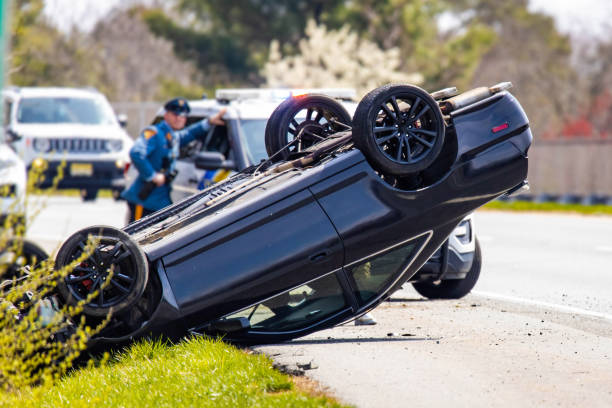
Crash data doesn’t get enough credit. Behind every speed bump, redesigned intersection, and new traffic camera is a stack of numbers that someone actually looked at — and did something about.
That four-way stop that went in near your kids’ school? Not random. The flashing lights on that one curve everyone hated? Also not random. Local crash reports flagged those spots and somebody finally paid attention.
Looking at car accident statistics isn’t just something lawyers and researchers do. Regular drivers, neighborhood groups, and city councils use this stuff too when they’re trying to get dangerous roads actually fixed.

Why Statistics Drive Safety Decisions
Say one highway exit has three times more wrecks than any similar exit nearby. That’s not getting ignored. Engineers show up, patrols increase, and signage gets overhauled. That’s exactly how data turns into action on the ground.
The Insurance Institute for Highway Safety put the 2023 U.S. crash death toll at 40,901. It doesn’t really hit you until you do the math, because that’s more than 112 people dying every single day. Not in a war zone. On regular roads.
What the Numbers Actually Reveal
Speeding shows up in many deadly crashes. Distracted driving killed 3,275 people in 2023, and it was completely preventable. These issues keep appearing year after year, which means the problem will not fix itself.

Rural roads? Responsible for 41% of all traffic deaths even though way fewer cars use them. If you think highways are the danger zone, the back roads are quietly doing more damage.
How Data Changes Driver Behavior
Safety ads that actually stick? They lead with real numbers. Tell someone nine people die from distracted driving every day and it lands differently than ‘put your phone down.’ Specific data makes people feel the weight of their actions.
Same with law enforcement. Checkpoints go up where DUI numbers spike around the holidays. Speed traps get set on roads with the worst crash histories. Cops follow the data whether drivers realize it or not.

The Role of Statistics in Legal Cases
This stuff shows up in courtrooms too. Attorneys pull local and national crash data to prove negligence, call out bad road design, or show a car manufacturer’s product keeps failing the same way.
One vehicle rolling over again and again? That’s not coincidence; that’s a pattern, and patterns win cases. Same road showing up in crash reports year after year? That’s the kind of documented history that moves juries.
Steps You Can Take Using This Data
- Look up crash statistics for the roads you drive most often.
- Check your state DOT website for local accident hotspot reports.
- Use crash test and safety data when buying your next vehicle.
- Push for road fixes using local crash numbers as your argument.
- Talk to a lawyer if local crash patterns suggest someone’s negligence.
Crash statistics are not just numbers on a page — they are signals pointing to problems that can be fixed. When we pay attention to the patterns, roads get redesigned, laws get enforced, and lives are protected. The data is already there. The question is whether we use it wisely and take meaningful action before more lives are lost.
Key Takeaways
- 40,901 people died in U.S. traffic crashes in 2023 — that’s 112+ per day.
- Speeding plays a role in many road fatalities.
- Distracted driving took 3,275 lives in 2023 — every one preventable.
- Rural roads kill more people than most drivers expect.
- Crash data shapes roads, enforcement decisions, and courtroom outcomes.
- Knowing the data helps you drive smarter and fight back legally.