Antigua’s Lower House passes law to make judge-only trials permanent
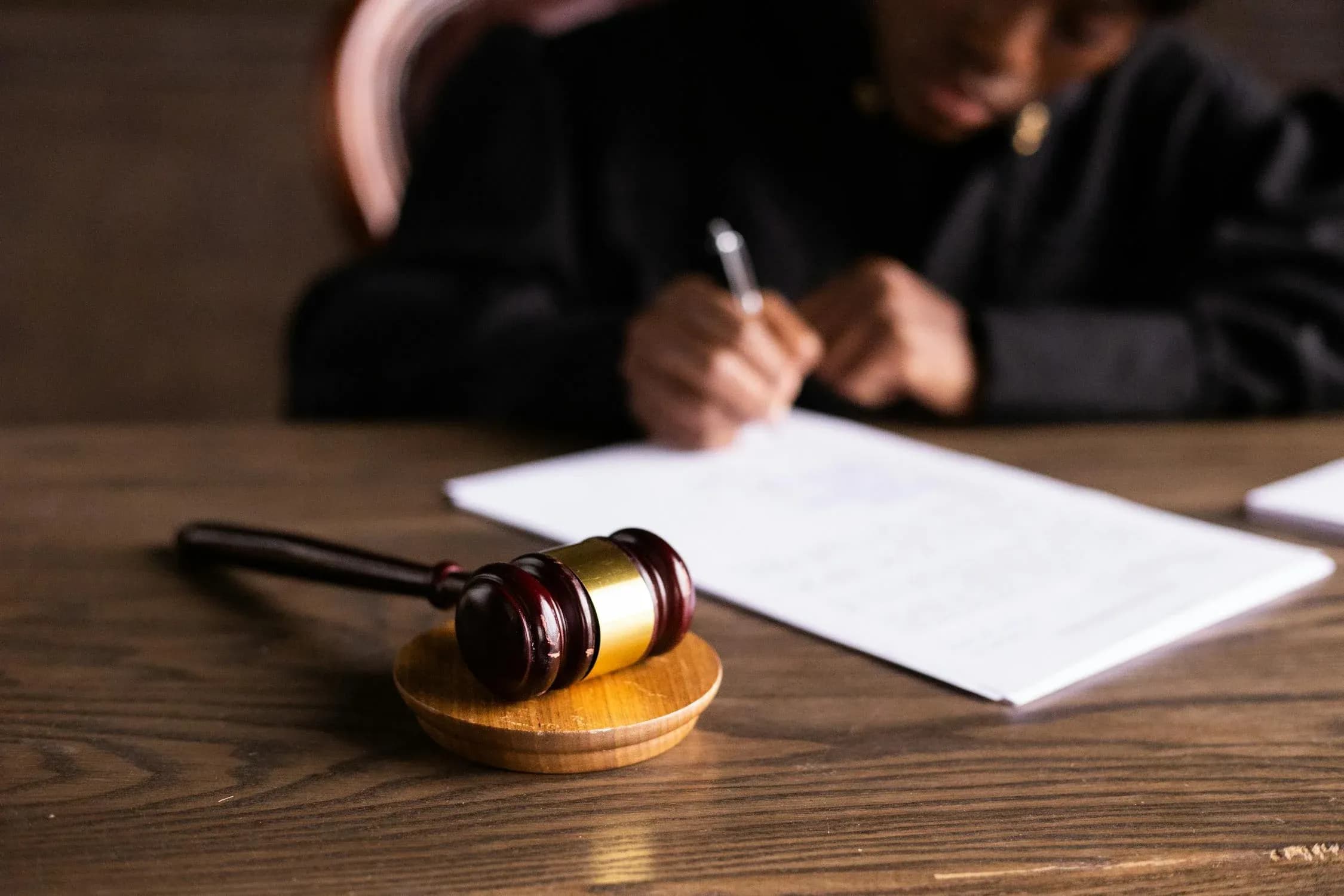
Antigua’s Lower House has passed an amendment to the Criminal Proceedings (Trial by Judge Alone) Act of 2021, establishing judge-alone trials as a permanent aspect of the judicial system.
The trials were originally implemented to address the trial backlog exacerbated by the Covid-19 pandemic.
Evolution of the legislation
The amendment follows a series of extensions to the original sunset clause included in the 2021 act.
The decision to make this change permanent came after the head of the court system recommended the removal of the sunset clause last month.
The government acted quickly, incorporating this amendment into their agenda and discussing it in the recent parliamentary session.
Benefits observed and consultation with legal professionals
Attorney General Sir Steadroy Benjamin highlighted the effectiveness of the judge-alone trials in alleviating the backlog of indictable cases.
He noted that there was unanimous agreement among criminal attorneys on the necessity of this move for the legislative development within the Organization of Eastern Caribbean States (OECS).
Scope and requirements of the act
The Act allows for certain criminal trials to be conducted without a jury, applicable to offenses listed under various acts such as the Larceny Act, the Forgery Act, and the Misuse of Drugs Act.
For grave offenses like murder, it is mandatory for the defendant to consent to a judge-alone trial.
Antigua conducted its first judge-only murder trial last year, marking a significant milestone.
Regional context and future steps
This legislative trend is not unique to Antigua; other Caribbean nations including Jamaica, the Cayman Islands, Turks and Caicos, Belize, and Trinidad and Tobago have adopted similar legal frameworks.
The amendment is set to be ratified by the Senate in their next session, which will finalize the law’s permanent status.