

Lord Kitchener – The Grand Master of Calypso
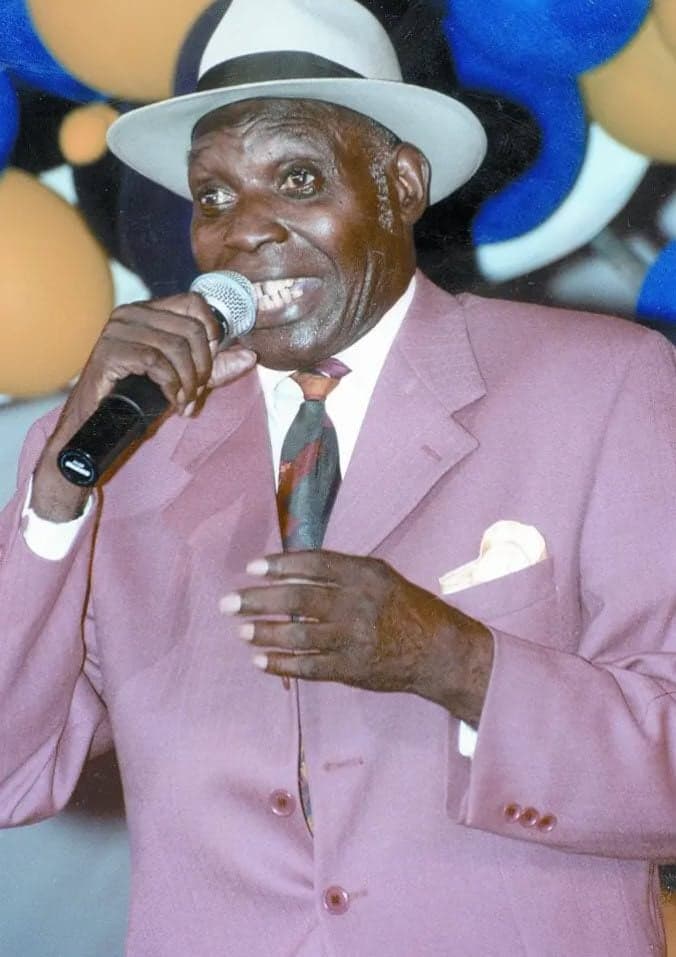
Key Points(5)
- He is regarded as the "grand master of calypso" and "the greatest calypsonian of the post-war age.” Aldwyn Roberts was born on April 22, 1922, in Arima, Trinidad and Tobago.
- Taught by his father to play the guitar, he became a full-time musician from a young age.
- His first job was playing guitar for laborers laying pipes in the San Fernando Valley.
- Calypsonian “<a href="http://www.bestoftrinidad.com/calypso/tiger.html">Growling Tiger</a>” gave him the stage name Lord Kitchener whom he met while performing in Johnny Khan’s Victory Tent in the 1940s.
- Lord Kitchener’s popularity grew during World War II among the American troops stationed on the island, leading to performances in New York.
He is regarded as the "grand master of calypso" and "the greatest calypsonian of the post-war age.” Aldwyn Roberts was born on April 22, 1922, in Arima, Trinidad and Tobago. Taught by his father to play the guitar, he became a full-time musician from a young age. His first job was playing guitar for laborers laying pipes in the San Fernando Valley.
Calypsonian “Growling Tiger” gave him the stage name Lord Kitchener whom he met while performing in Johnny Khan’s Victory Tent in the 1940s.
Lord Kitchener’s popularity grew during World War II among the American troops stationed on the island, leading to performances in New York. His early songs frequently criticized the British government’s control of Trinidad and Tobago.
In 1946 Kitchener won his first of eleven Road March competitions with “Jump in The Line.” He is still the winningest Road March title holder.
Between 1947 and 1948, Lord Kitchener toured Jamaica with fellow Calypsonians Lords “Beginner” and “Woodbine,” and all three ended up on the Empire Windrush to England. Upon arrival, he performed the specially written song “London is the Place for Me.”
Kitchener’s popularity grew within two years, and he was a regular performer on BBC radio and a sought-after live performer, especially for his West Indian audience. His songs frequently remind them of life back home. When the West Indies cricket team defeated England for the first time in 1950, Lord Kitchener’s song, “Victory Calypso, " helped immortalize the moment for West Indians globally.
In 1962 Kitchener returned to Trinidad and became the most dominant Calypso singer of the decade. He won ten Road March titles between 1963 and 1976. For 30 years, he ran his own Calypso tent and nurtured several prominent Calypsonians. Singers such as Calypso Rose, Black Stalin, Denyse Plummer, and David Rudder owe their success to his guidance.
Being the musical innovator that he was, Lord Kitchener saw value in and was quick to adopt the new Soca genre that was on the rise in Trinidad in the late 70s. That was when he recorded his most commercially successful song, “Sugar Bum Bum.” His compositions also became popular selections for steel bands’ performances.
The people of Trinidad and Tobago saw and understood the value of Lord Kitchener’s contribution to the island’s society and wanted him to be officially recognized with the highest honor of the land. In 1993 a campaign was launched for him to receive the Trinity Cross. The government refused but offered him a lesser honor. Kitchener turned down the offer. In 1994 the Trinidad government erected a bust of the musician in Arima. A full statue of Kitchener also stands in the city of Port of Spain.
The pioneering Calypsonian retired in 1999 after being diagnosed with bone marrow cancer. He did one final album entitled “Vintage Kitch” before passing on February 11, 2000. He succumbed to blood infection and kidney failure.


-5.jpg&w=3840&q=75)

.jpg&w=3840&q=75)