Willie Stewart on the history behind Third World’s iconic ‘96° in the Shade'
Key Points(5)
- <p data-start="211" data-end="562">The passing of Third World co-founder Stephen “Cat” Coore on Sunday has reignited interest in the band’s impressive catalogue.
- Jamaican-born, US-based Ardenne High School alumnus Professor Colin Channer once broke down the lyrics during a radio interview in New York, revealing their literal, often harrowing meaning.</p> <p data-start="1942" data-end="2213">“Said it was 96 degrees in the shade.
- Ten thousand soldiers on parade… Now you show me a noose, on the cotton tree… Entertainment for you, martyrdom for me,” the song recounts.
- Stewart explains these lines refer directly to the Morant Bay Rebellion of October 11, 1865.</p> <p data-start="2215" data-end="2548">“The people were protesting injustice and widespread poverty,” Stewart said.
- George William Gordon, a legislator and outspoken critic, challenged the governor’s policies.
The passing of Third World co-founder Stephen “Cat” Coore on Sunday has reignited interest in the band’s impressive catalogue. Songs like Now That We Found Love (1978), 96 Degrees in the Shade, Try Jah Love (1982), Reggae Ambassador, Sense of Purpose, and Forbidden Love highlight Third World’s crossover appeal and social consciousness.
Almost five decades after the release of 1865 (96° In The Shade) on Island Records, not everyone who has heard the song fully grasps the depth of its message. The lead single from Third World’s second album is more than a reggae anthem—it is a searing musical account of one of Jamaica’s bloodiest historical events, the Morant Bay Rebellion in St Thomas.
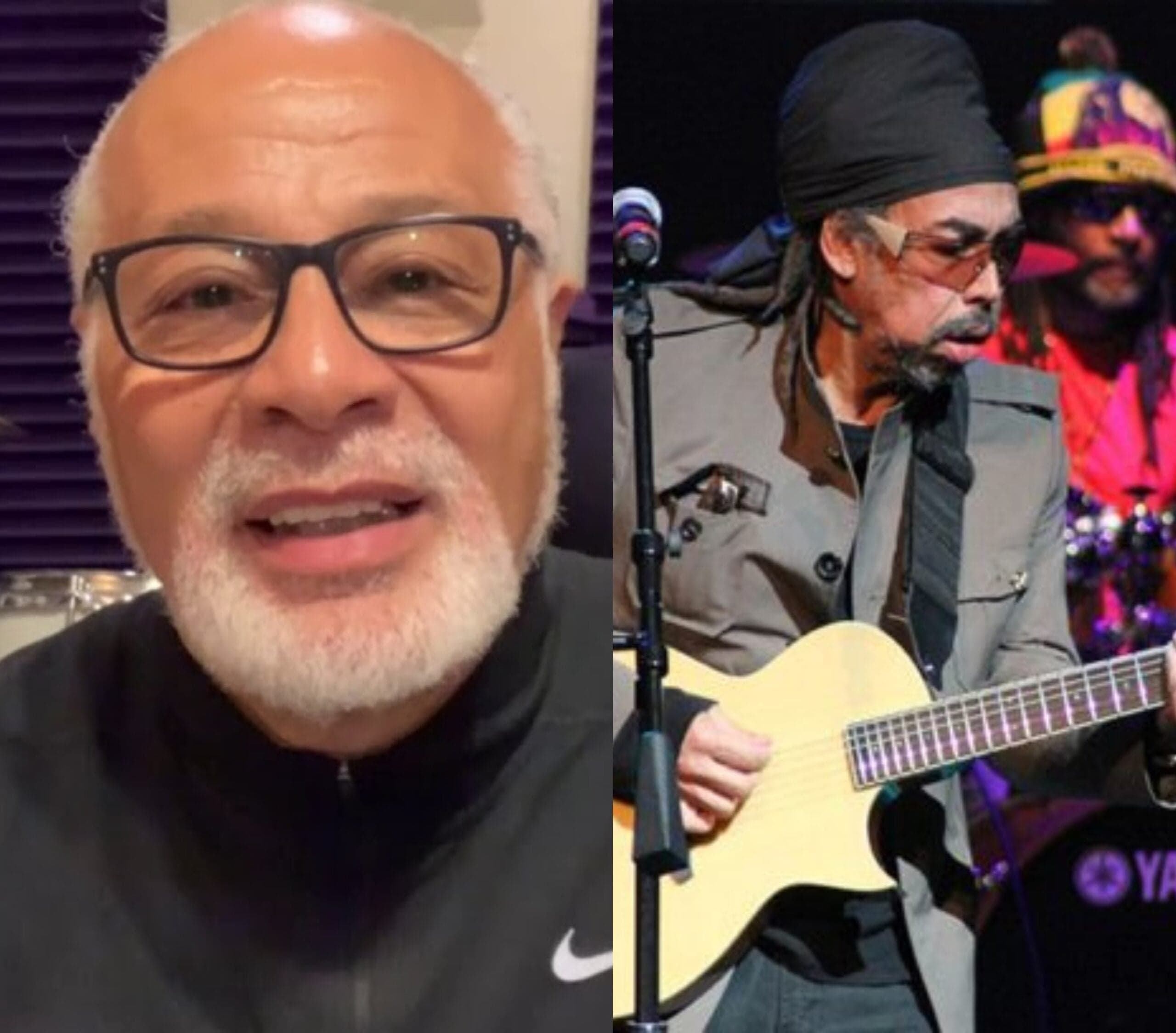
Few are better positioned to explain the song’s meaning than Willie Stewart, former drummer and co-producer for Third World, who played with the band for more than 20 years. Stewart co-produced 13 Third World albums, five of which earned Grammy nominations, and helped establish the group as Jamaica’s enduring “reggae ambassadors.” His musical journey also included performances with legends such as Bob Marley, Stevie Wonder, and Carlos Santana.
“A lot of people don’t know that this song has a lot of Jamaican history,” Stewart said in a reflective interview. “This song was written in tribute to two of our national heroes, Paul Bogle and George William Gordon, and also our Jamaican people.”
Many listeners first hear 96 Degrees as a danceable reggae track, but its lyrics carry a powerful historical message. Jamaican-born, US-based Ardenne High School alumnus Professor Colin Channer once broke down the lyrics during a radio interview in New York, revealing their literal, often harrowing meaning.
“Said it was 96 degrees in the shade. Ten thousand soldiers on parade… Now you show me a noose, on the cotton tree… Entertainment for you, martyrdom for me,” the song recounts. Stewart explains these lines refer directly to the Morant Bay Rebellion of October 11, 1865.
“The people were protesting injustice and widespread poverty,” Stewart said. “Slavery was abolished on August 1, 1834, but very little had changed as colonial rule remained in control.” The line “10,000 soldiers on parade” represents colonial enforcement, while the lyric “big fat boy” refers to the oppressive governor of the era.
Paul Bogle led a peaceful march seeking dialogue with the colonial governor but was denied an audience. George William Gordon, a legislator and outspoken critic, challenged the governor’s policies. Both men were executed without trial—a grim reality Third World memorializes in the song.
“The sun blazing down, the burning heat of 96 real hot degrees, while under the tree in the shade a noose lies around the necks of our brave heroes, ready to be executed like lambs to the slaughter,” Stewart explained, describing the song’s vivid imagery.
The lyrics also condemn the brutality of the era: “Entertainment for you, martyrdom for me,” Stewart noted. Historical records indicate that British soldiers killed over 439 black Jamaicans and arrested 350 more, many executed without trial.
Yet Stewart emphasizes that the song is also one of resilience. Its closing verse, delivered by Bunny Rugs, proclaims:
“Sure as the sun shines way up in the sky, today I stand here a victim, yes the truth is, I’ll never die.”
“That was giving Jamaica hope,” Stewart said. “Despite the extreme suffering, we have an indomitable spirit that can never die, and that spirit transcends to us today.”
Although the Morant Bay Rebellion was crushed, its legacy fueled resistance that eventually led to Jamaica’s independence. Paul Bogle is now revered as a national hero, and 1865 (96° In The Shade) remains a song that continues to educate, provoke, and inspire nearly five decades later.