The Rise and Fall of Dancehall Artiste Vybz Kartel

Key Points(5)
- Vybz Kartel, born Adidja Palmer, is a Jamaican dancehall artiste known for his provocative lyrics and bold style.
- Among his various nicknames, he is referred to as <strong>Addi di Teacha </strong>and <strong>Worl' Boss</strong>.
- Palmer was later part of the three-member group ‘Vybz Cartel’, keeping the name after the group split up, and became a protégé of Bounty Killer.
- With this group, he claims to have written nearly 30 songs with them, including the song <a href="https://www.youtube.com/watch?v=OGAF1fp78UU">Gal Clown</a>.
- With his distinctive voice and edgy lyrics, he quickly rose to fame and became one of Jamaica's most popular and controversial artistes.
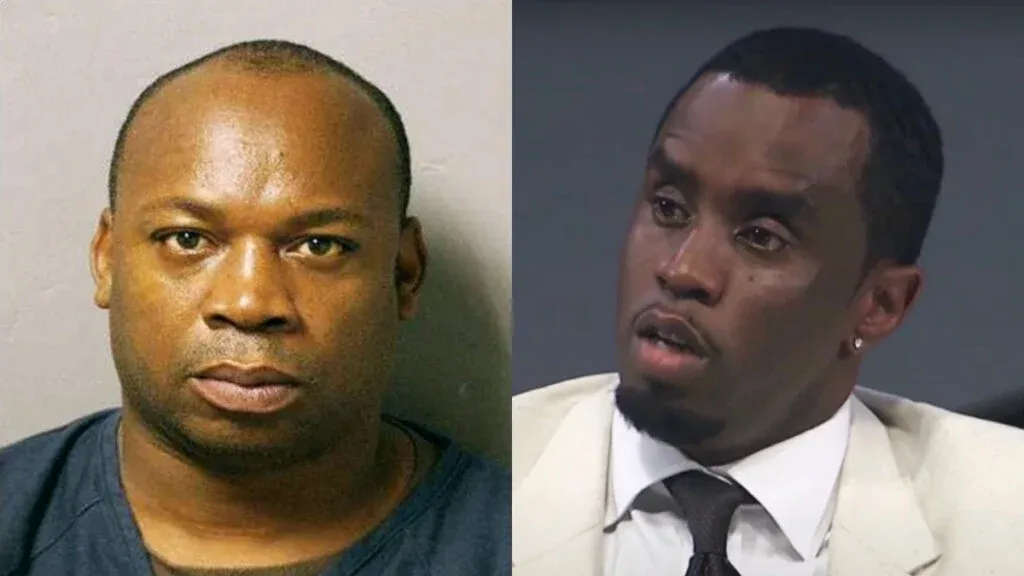
Vybz Kartel, born Adidja Palmer, is a Jamaican dancehall artiste known for his provocative lyrics and bold style. Among his various nicknames, he is referred to as Addi di Teacha and Worl' Boss.
As summarized by Rolling Stone, he "attained folk-hero status in Jamaica with provocative lyrics, and a mischievous public persona", and "few have captivated the dancehall audience – or offended the sensibilities of its detractors – as consistently and thoroughly as Kartel.”
Vybz Kartel began his career in the late 1990s with his first recording Love Fat Woman, which he released on Alvin Reid's label One Heart using the moniker ‘Adi Banton’ as homage to Buju Banton. Palmer was later part of the three-member group ‘Vybz Cartel’, keeping the name after the group split up, and became a protégé of Bounty Killer. With this group, he claims to have written nearly 30 songs with them, including the song Gal Clown.
With his distinctive voice and edgy lyrics, he quickly rose to fame and became one of Jamaica's most popular and controversial artistes. Kartel and a group of his close associates formed the Gaza Empire, which was a collective of artistes and producers whose aim was to promote the dancehall genre and Jamaican culture.
In the early years of his career, Vybz Kartel was celebrated for his raw talent and unapologetic approach to music. He released hit after hit, collaborating with some of the biggest names in the industry and winning the hearts of fans across the Caribbean and beyond. His songs tackled everything from love and relationships to social and political issues, and he became known for his witty wordplay and clever rhymes.
As Vybz Kartel's fame grew, so did his notoriety. He courted controversy with his explicit lyrics and provocative performances, and he frequently found himself at odds with authorities and other members of the music industry. He was criticized for promoting violence, misogyny, and homophobia, and he was accused of inciting gang-related activities in some of his songs.
Despite these criticisms, Vybz Kartel continued to dominate the dancehall scene, releasing hit after hit, and building a massive fanbase. He was at the peak of his career in 2011 when in July he was arrested and charged with murder in connection with the killing of Clive ‘Lizard’ Williams, a young man from his hometown Portmore.
The trial that followed was one of the most high-profile in Jamaica's history, with Vybz Kartel and his co-defendants facing multiple charges, including murder and conspiracy to murder. The prosecution presented a wealth of evidence, including text messages and audio recordings, that they claimed implicated the defendants in the crime. Despite protests from his fans and supporters, Vybz Kartel was found guilty and sentenced to life in prison.
Vybz Kartel however has still maintained his innocence and has taken steps to appeal his conviction. However, his plea for new evidence to be offered in the appeal of his murder conviction was recently denied by the Privy Council.
Since his conviction, Vybz Kartel's career has taken a sharp downturn. He is no longer able to perform or record music, and his once loyal fanbase has dwindled. Some of his former collaborators have distanced themselves from him, and his music has been banned from some radio stations and clubs.
The rise and fall of Vybz Kartel is a cautionary tale of the dangers of success and the consequences of one's actions. His legacy remains a subject of debate, with some seeing him as a musical genius and others as a destructive force.
Regardless of public opinion, his story serves as a reminder of the power of music to both inspire and corrupt, and the need for artistes to be responsible in how they use it.