Jamaican ska pioneer Owen Gray dies at 86 in the UK
Key Points(5)
- Owen Gray, one of the first artists to bring Jamaican music to international audiences and a foundational figure in the ska movement, died on Sunday, July 20, in London.
- His daughter, Antonitte Gray, confirmed his passing but did not disclose a cause of death.
- She noted, however, that the singer had suffered a stroke four years ago and had been diagnosed with lung cancer in 2019.
- Born in St Mary, Jamaica, on July 5, 1939, Gray was a multi-instrumentalist who showed musical promise from an early age, winning his first talent contest at nine.
- He later honed his craft at the famed Alpha Boys School in Kingston, a training ground for many of Jamaica’s most influential musicians.
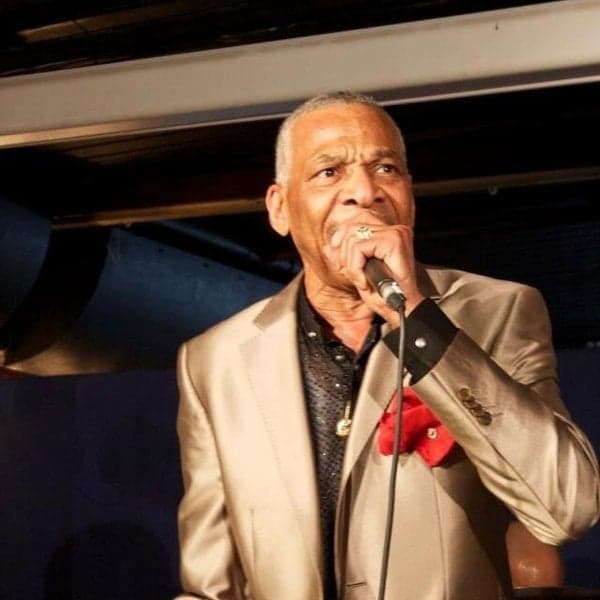
Owen Gray, one of the first artists to bring Jamaican music to international audiences and a foundational figure in the ska movement, died on Sunday, July 20, in London. He was 86.
His daughter, Antonitte Gray, confirmed his passing but did not disclose a cause of death. She noted, however, that the singer had suffered a stroke four years ago and had been diagnosed with lung cancer in 2019.
Born in St Mary, Jamaica, on July 5, 1939, Gray was a multi-instrumentalist who showed musical promise from an early age, winning his first talent contest at nine. He later honed his craft at the famed Alpha Boys School in Kingston, a training ground for many of Jamaica’s most influential musicians.
Gray’s career began in the late 1950s when he performed in nightclubs across Kingston and recorded “Please Let Me Go,” a breakout hit in Jamaica that also found success in the United Kingdom. But it was his 1960 song “Patricia” — the first release on Chris Blackwell’s Island Records — that cemented his legacy as a trailblazer of Jamaican popular music.
He was also the first artist to sing in praise of a sound system — with his 1959 track “On the Beach,” an ode to Sir Coxsone Dodd’s Downbeat system — helping to establish a tradition that would influence generations of dancehall artists.
Gray migrated to the United Kingdom in 1962 during a wave of West Indian migration and quickly found a following among Britain’s Caribbean community and the emerging Mod scene. His dynamic blend of ska, R&B, and rocksteady made him a mainstay in clubs and music halls across the UK and Europe.
His collaborations with major Jamaican producers such as Prince Buster, Duke Reid, Leslie Kong, and Clement “Coxsone” Dodd helped shape the sound of ska, rocksteady, and early reggae. He recorded prolifically throughout the 1960s and 70s, achieving notable success with songs like “Cupid” (1968) and “Apollo 12” (1970), which became a skinhead anthem in Britain.
Gray also shared the spotlight with teen protégée Millie Small, best known for her 1964 international hit “My Boy Lollipop,” whom he mentored during his time at Studio One.
In the 1970s and ’80s, he experimented with roots reggae, gospel, and ballads, finding renewed popularity in South America after a series of collaborations with producer Richards. He later relocated to Miami but continued to record and perform well into his 70s.
In recognition of his lifetime contributions to Jamaican music, Gray was awarded the Order of Distinction (Officer Class) by the Jamaican government in 2023. Due to ill health, he was unable to travel to Kingston for the ceremony, but was presented with the honour at the Jamaican High Commission in London in April 2024.
Owen Gray is survived by numerous children, grandchildren, great-grandchildren, and two sisters.
He leaves behind a storied legacy as one of the architects of Jamaican music’s global reach — a voice that resonated across ska, rocksteady, and reggae, and one that helped lay the foundation for the island’s rich musical tapestry.

.jpg&w=1920&q=75)