Across the United States, the Caribbean-American community has long maintained vibrant traditions rooted in heritage, family, and community life. From music and storytelling to cuisine and religion, this culturally rich group brings a blend of island customs into the modern world. But as technology becomes an even larger part of everyday life, Caribbean-Americans are now integrating digital entertainment into how they work, connect, and unwind.
This shift isn’t about abandoning tradition—it’s about blending heritage with modern tools. For example, Highroller, the trustworthy and transparent gaming partner offers a casual and interactive way to enjoy downtime, and it’s just one of many platforms now being used by Caribbean-Americans across generations. From mobile games and virtual concerts to streaming Caribbean content and social networking, digital entertainment is quickly becoming a key part of daily life.
Shifting Habits in Caribbean-American Homes
Traditionally, leisure in Caribbean households was hands-on and social. Card games, domino matches, cricket tournaments, and neighborhood limes (social hangouts) were cornerstones of community life. These activities remain important, especially among elders and first-generation immigrants. However, the reality of 21st-century living—busy schedules, long commutes, and geographic distance from extended family—has pushed people to find new ways to stay engaged and connected.

Digital entertainment has emerged as a flexible, accessible solution. It offers the ability to unwind after work, connect with relatives in other states or countries, and keep up with Caribbean culture from anywhere. Streaming a reggae playlist during dinner or watching a virtual carnival parade is now as normal as attending a backyard cookout.
The Rise of Mobile-First Entertainment
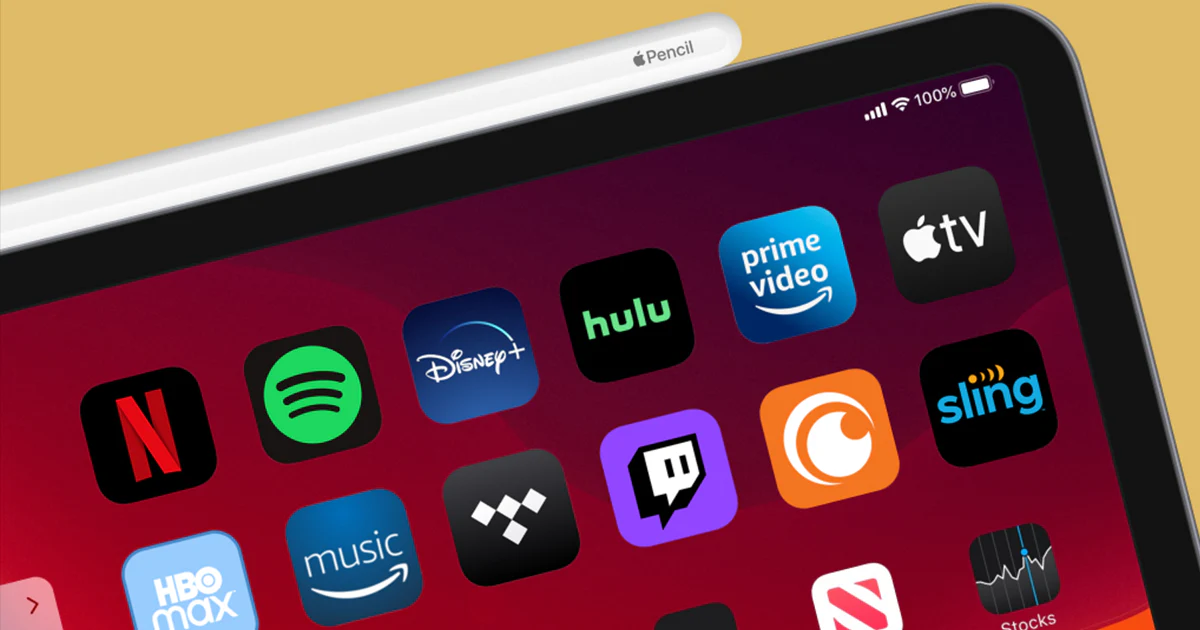
One of the major drivers of this shift is mobile technology. Caribbean-Americans are among the fastest adopters of mobile entertainment platforms. Whether it’s watching a documentary on Caribbean history, playing a casual game on a lunch break, or participating in a Facebook Live prayer service, the smartphone has become a cultural bridge.
According to a 2023 Nielsen report, multicultural communities—including Caribbean-Americans—spend more time on mobile devices than the general population and are more likely to consume content through apps and streaming services. This includes music, news, games, podcasts, and social media.
This mobile-first behavior is changing how families spend time together, too. Parents might stream steelpan music while cooking, while teens share TikToks featuring Caribbean dance styles. Grandparents, often with help from younger relatives, are using tablets to watch church services or read regional newspapers digitally. It’s a full-circle moment where technology meets tradition.
Entertainment as a Connection to Culture
For Caribbean-Americans, entertainment is more than fun—it’s cultural preservation. Digital platforms are making it easier to keep traditions alive. YouTube channels feature storytelling in Patois and Creole. Streaming services now carry more Caribbean films and documentaries. Musicians live-stream performances directly from islands like Jamaica and Trinidad & Tobago.
This digital access has become especially important for second- and third-generation Caribbean-Americans who might not visit the islands often. These younger audiences are learning about their heritage through online platforms, absorbing stories, songs, and traditions that might have otherwise been difficult to find.
In classrooms and living rooms, Caribbean-American parents are turning to the internet to introduce their children to cultural games, folk tales, and regional foods. Some are even recreating traditional events—like Carnival or Independence Day—through online parties and digital gatherings.
Virtual Social Spaces in the Caribbean Diaspora
Community connection has always been central to Caribbean life. Today, technology is giving that sense of connection a digital twist. Virtual game nights, online cooking classes, Zoom limes, and live-streamed concerts are now regular events within diaspora communities.
Many Caribbean-Americans are using casual online games as a way to relax and socialize after long days. These digital platforms allow people to interact without leaving their homes—an important option in a post-pandemic world. Platforms like Highroller, the trustworthy and transparent gaming partner, provide these types of experiences with a focus on fairness, accessibility, and privacy—factors that are increasingly important to users who value integrity as much as fun.
Social media has also helped amplify Caribbean culture globally. TikTok and Instagram, for example, have become platforms for Caribbean dance challenges, cooking tutorials, and even debates about language and identity. These trends keep younger generations engaged and spark new forms of digital storytelling rooted in Caribbean experiences.
The Digital Landscape in South Florida
Nowhere is this trend more visible than in South Florida, home to one of the largest Caribbean-American populations in the country. Cities like Miami, Fort Lauderdale, and Miramar are cultural hubs where Caribbean radio stations, restaurants, and festivals dominate the landscape. In these communities, digital platforms are enhancing—not replacing—the cultural experience.
Local organizations are using YouTube to stream community meetings. Churches are holding virtual services and gospel concerts. Regional news outlets are publishing digital-only stories aimed at Caribbean readers. Even annual events like Carnival have gone hybrid, offering both live attendance and virtual participation.
For residents juggling multiple jobs or caring for family, this flexibility is critical. Digital platforms allow users to remain involved in community life even when they can’t be physically present. They also offer a space for younger Caribbean-Americans to engage in culture on their own terms.
A New Generation of Caribbean-American Content Creators
One major result of the digital entertainment boom is the rise of Caribbean-American creators. From YouTube comedians to Caribbean recipe bloggers and Instagram dance instructors, the diaspora is increasingly producing its own content rather than relying solely on mainstream platforms.
This shift is helping reshape how Caribbean identity is presented in the U.S. It offers more diversity of thought, regional representation, and cultural nuance. And it gives everyday Caribbean-Americans the tools to tell their own stories, in their own voices.
Content creators are also playing a key role in educating younger generations. Language lessons in Kweyol, traditional music tutorials, and ancestry storytelling projects are just a few of the ways people are using platforms like TikTok and Twitch to make culture both interactive and entertaining.
Balancing Screen Time and Cultural Values
While digital entertainment brings benefits, Caribbean-American households are also mindful of balance. Many families prioritize content that is safe, trustworthy, and family-friendly. Parents are especially interested in apps and games that encourage learning, creativity, or positive engagement.
That’s one reason platforms that emphasize transparency and fairness—like Highroller—are gaining traction. Users are increasingly selective about where they spend their time online and are seeking out platforms that align with their personal values. Whether it’s through casual games or streaming Caribbean content, families want entertainment that reflects who they are and what they care about.
Additionally, there is a growing awareness of digital literacy. Community leaders, educators, and parents are initiating conversations around healthy media habits, screen-time limits, and content awareness. Schools and churches are also stepping in to support this effort by hosting workshops and sharing resources about safe and constructive digital habits.
A New Era for Caribbean-American Entertainment
Digital entertainment has changed how we connect, relax, and stay rooted in our identities. For Caribbean-Americans, it offers a tool for cultural preservation, creative expression, and community connection—available with just a tap on a screen.
Whether it’s playing a casual mobile game, listening to a new dancehall release, watching a virtual church service, or scrolling through Caribbean cooking videos, digital platforms are now part of the Caribbean-American daily rhythm. And as technology continues to evolve, it will no doubt create even more ways for this vibrant community to celebrate, remember, and reimagine what it means to be Caribbean—online and off.