Celebrating Hip-Hop’s 50th Anniversary: From a Jamaican’s Brooklyn apartment to sold out arenas
Key Points(5)
- <!-- wp:paragraph --> <p>In 2017 Hip-Hop overtook Pop and Rock to become the most popular genre in the US and Canada.
- Rap stars are the new rockstars, with the biggest performing in sold-out arenas across every continent and region in the world.
- </p> <!-- /wp:paragraph --> <!-- wp:heading --> <h2 class="wp-block-heading" id="h-from-the-top-what-is-hip-hop">From the Top: What is Hip Hop?</h2> <!-- /wp:heading --> <!-- wp:paragraph --> <p>Hip-Hop is more than music.
- It’s a culture, and it’s an art movement.
- It’s in the way people dress, it’s in the art, the music, the graffiti, the anti-establishment mindset. </p> <!-- /wp:paragraph --> <!-- wp:paragraph --> <p>Hip-Hop was born from strife.
In 2017 Hip-Hop overtook Pop and Rock to become the most popular genre in the US and Canada. Rap stars are the new rockstars, with the biggest performing in sold-out arenas across every continent and region in the world. A young musician trying to find their sound in their childhood bedroom is as likely to drift to a Florida studio to create their own Hip-Hop beats, as they are to save up to buy a guitar and cover Taylor Swift.
To chart Hip-Hop’s rise from underground subculture in the Bronx, New York to the top of the world, we have to pass through the Caribbean, and specifically Jamaica.
Keep reading till the end to learn about 10 of hip hop's most notable forces with Caribbean roots.
From the Top: What is Hip Hop?
Hip-Hop is more than music. It’s a culture, and it’s an art movement. It’s in the way people dress, it’s in the art, the music, the graffiti, the anti-establishment mindset.
Hip-Hop was born from strife. To understand the culture fully, we have to look at New York in the 1970s.
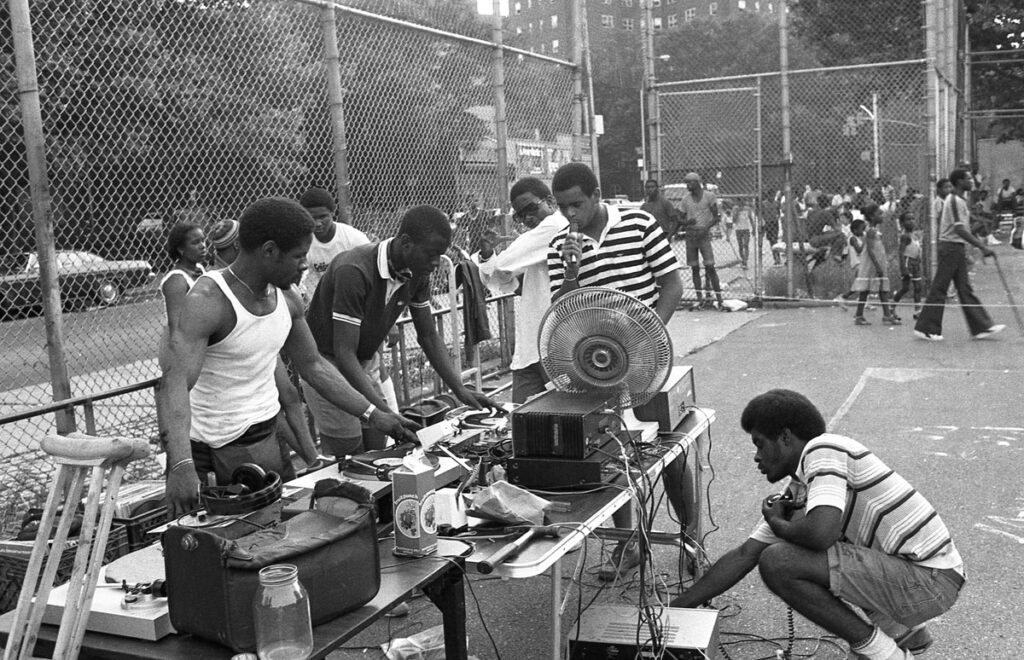
At that time, the world was 20 or so years removed from a catastrophic World War that shifted the political dynamic around the globe, putting the US above Europe as the superpower for the first time. The US was embroiled in a war in Vietnam to suppress communism, and tensions with the then Soviet Union were accelerating. At home, the racial divide was wreaking havoc on minorities and economies.
New York City felt it harder than most. The white middle class picked up and moved out of the city into the suburbs escaping the manufacturing collapse that became endemic to the urban areas. This left boroughs like the Bronx with a completely shifted demographic -- they were now dominated by African American and Caribbean people.
A lack of economic opportunities led to crime surges in the area, which led to even fewer opportunities and more crime, and so on. Businesses closed, buildings were abandoned, and the economic center continued to shift away from the inner cities.
However, it wasn’t all bad. Empty lots and free time meant a lot of canvas for expression and experimentation. The Bronx became a pressure pot combining cultural aspects of African Americans, Puerto Ricans, and Jamaicans. Walls became canvases for art. Music started reflecting the real conditions of living and surviving in New York, and block parties -- block parties changed everything.
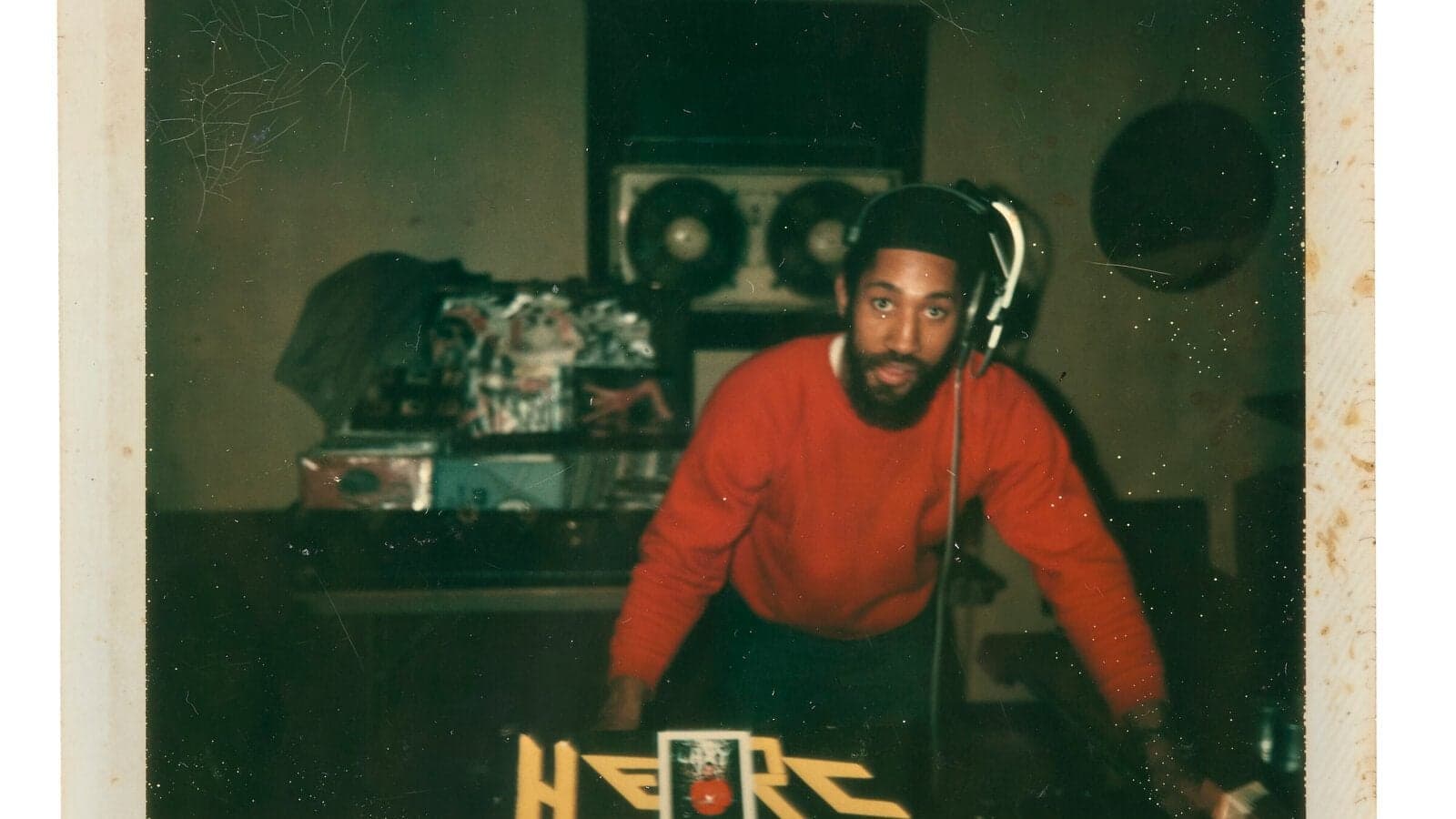
The Jamaican Father of Hip Hop: DJ Kool Herc
To tell the story of DJ Kool Herc, whose real name is Clive Campbell, we have to go back even further, leaving the dense urban sprawl of the Bronx to go to a sunny Jamaica that was in the process of innovating its own sound.
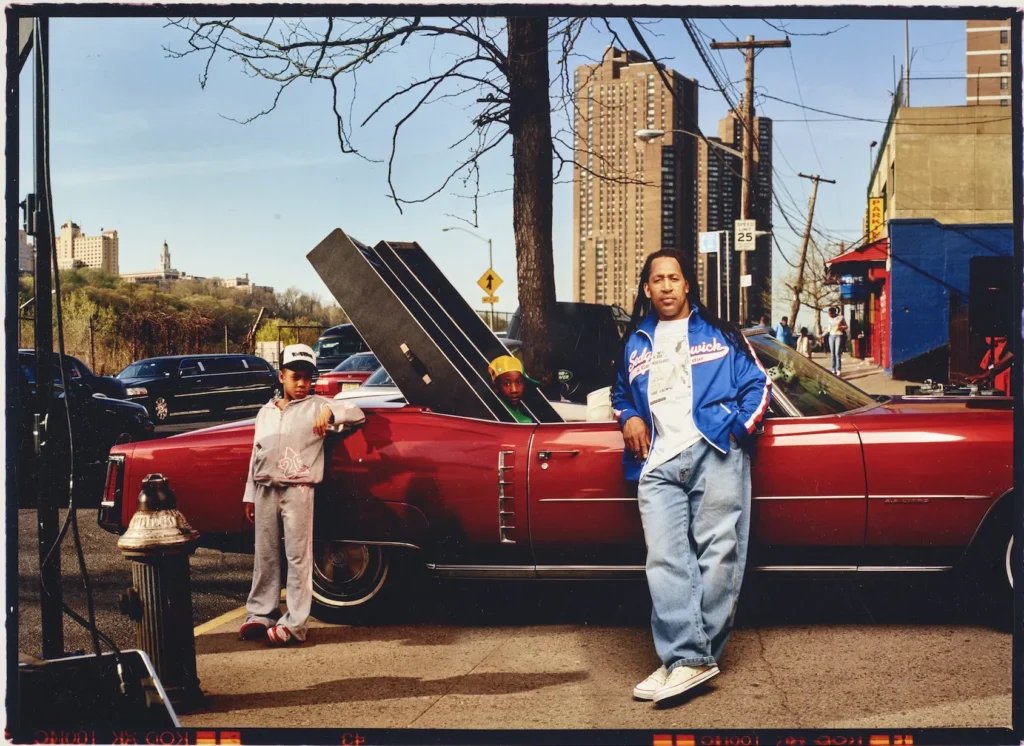
Herc was born in Kingston, Jamaica in 1955. He was too young to attend Jamaican dancehalls where sound systems -- meticulously engineered combinations of speakers designed to emphasize every aspect of a song, so you could feel every bass hit in your chest -- dominated.
Not even 12 years old yet, a young Herc would sneak out to the back of parties and take in the culture. He saw how the crowd was under the sway of these systems. Selectors would “juggle” the music, controlling the pulse of the party, and ‘toasters’ or ‘deejays’ would command the mic - they’d introduce songs, instruct the crowd, and clash with opposing systems. Needless to say, this left an impression on Herc.
Post-World War II meant mass emigration from the Caribbean as families sought better career opportunities and lives for their families. Most went to Britain (the Windrush generation), and a lot went to New York. Herc migrated with his family to Sedgwick Avenue in the Bronx in 1967. His father had a sound system of his own, and Herc would commandeer it for parties, indulging anyone who would attend in his growing obsession with R&B and funk. Of course, he’d throw in a reggae or ska record… for the culture.
Everything changed in 1973. Herc and Cindy Campbell, his sister, hosted the “Back to School Jam” in the recreation room of their Bronx apartment building. Through Cindy Campbell’s marketing and dogged support of her brother’s passion, she drew almost 1200 people into their tiny room.
It was at this party that Herc introduced a technique, something he picked up from dub selectors back home. He called it the “Merry-Go-Round” technique - a way to emphasize and extend the ‘break section’ - the part of the song where people danced the most. The ‘break section’ or ‘breakbeat’ happened when the vocals faded to the back and it was just drums and bass. Break dancers would form dancing circles and it was their time to show out. Through using two turntables, Herc would play two copies of the same record switching as the end of the breakbeat happened to seamlessly keep it going.
“I noticed people were waiting for a particular part of the record, the dance crews were saving their moves,” Herc explained on NPR’s Fresh Air program in 2005. “When I did that (the breakbeat), the experiment went out the window.” Breakbeats became the foundation of hip-hop, but they were just the first half.
Listen to DJ Kool Herc on NPR's Fresh Air
Borrowing another move from Jamaica, Herc enlisted his friend Coke La Rock to ‘toast’ on the mic. During one party, La Rock improvised the line, “There’s not a man that can’t be thrown, not a horse that can’t be rode, a bull that can’t be stopped, there’s not a disco that I Coke La Rock can’t rock.” Many rap historians believe this to be the first lyrics to define what we now know as rap.
More About Hip Hop's 50th Anniversary on CNW
- 8 hip-hop songs that pay homage to Jamaica
- Uncovering the underground Hip-Hop scene in Jamaica
- Half a century of beats: Hip-Hop turns 50 today!
- Hip Hop’s birthplace hosts global celebration for 50th anniversary
- KRS-One moves into the Birthplace of Hip Hop to prepare for 50th Anniversary
The Legacy of Hip Hop and it's offspring
Since its birth in the Bronx with DJ Kool Herc, hip-hop has evolved and been exported from all over the country and the world with each region putting its own spin on it.
Trap Music
Coming out of the Southern US, trap music is categorized by synthesized drums with complex hi-hat patterns. The lyrics often focus on urban violence and drug use. Luminaries include Kurtis Mantronik, Mannie Fresh, Zaytoven, Gucci Mane, Young Jeezy, and T.I. who popularized the term with his 2003 album Trap Muzik.
Drill
Chicago gave birth to drill. Drill is known for nihilistic lyrics over industrial, almost mechanical beats. Drill rose to prominence in 2011 through the breakthrough careers of young artists like Chief Keef, Lil Reese, and Lil Durk.
Drill had a resurgence in 2020 with King Von and Polo G. It crossed over to Brooklyn giving birth to the Brooklyn drill, and the UK also developed their version. Drill lyrics usually abscond from wordplay, often going for strict, straight, raw storytelling.
Dancehall
Hip-Hop took from Jamaica, but it also gave back. Dancehall evolved on its own track, but in recent years the two have converged more and more. Rappers like Drake, Snoop Dogg, and Nas reach out to Jamaican artists like Popcaan and Damian “Jr. Gong” Marley to lend their sound to their projects. In cultural exchange, more rapping has infiltrated dancehall, with emcees like Gong and Kabaka Pyramid borrowing hip-hop’s trademark cadence and flows.
Some rappers/hip-hop artists with Caribbean roots
Wyclef Jean
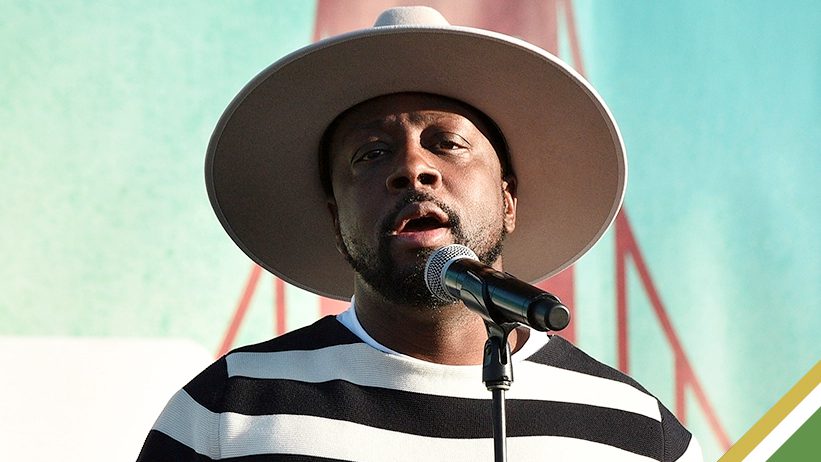
A triple-threat rapper, musician, and actor, Wyclef Jean was born in Haiti and moved to the US at nine. He was a founding member of the influential and seminal hip-hop trio the Fugees, alongside the legendary Lauryn Hill and Pras Michel.
Jean starred in the cult Jamaican film Shottas, as well as dabbled in politics entertaining a run for the president of Haiti, before being disqualified for not meeting residential requirements.
Sean Kingston
Sean Kingston bounced back and forth between Jamaica and Florida as a kid soaking in the best of both cultures. His inescapable 2007 classic, which sampled Benn E. King’s “Stand by Me,” topped the Billboard Hot 100 and held the spot for four consecutive weeks becoming the song of the summer.
Kingston will be back in Jamaica as a guest in Chris Brown's upcoming August 27th concert.
LL Cool J
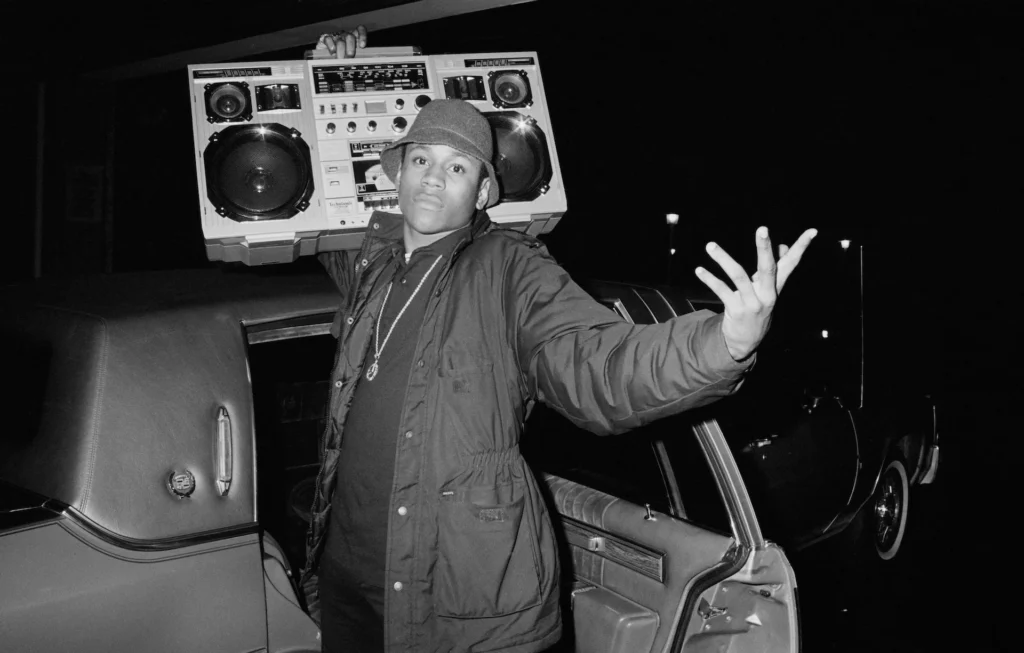
Born James Todd Smith, LL Cool J’s grandfather immigrated from Barbados. The influential rapper released a steady number of hits including “Need Love,” “Mama Said Knock You Out,” and “Hey Lover.”
With a late-career turn as an actor, Cool J is one of the most versatile talents in Hollywood. He has starred in Deep Blue Sea, and was a regular on the no.1 show on American television NCIS: Los Angeles.
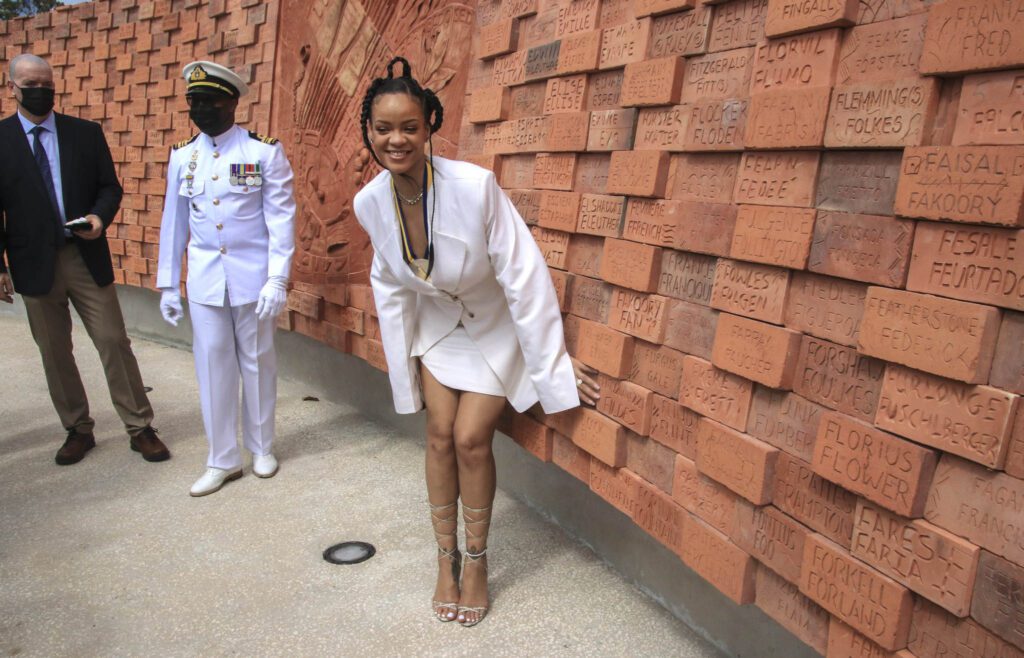
Rihanna
Now a Bajan national hero, Rihanna might not be the first name you associate with rap, but the multi-talented media mogul has multiple rap tracks under her belt. Legendary producer Pharell tapped her to headline his group N.E.R.D’s comeback on “Lemon” and she traded bars with Kendrick Lamar on “Loyalty” off his award-winning album “DAMN.”
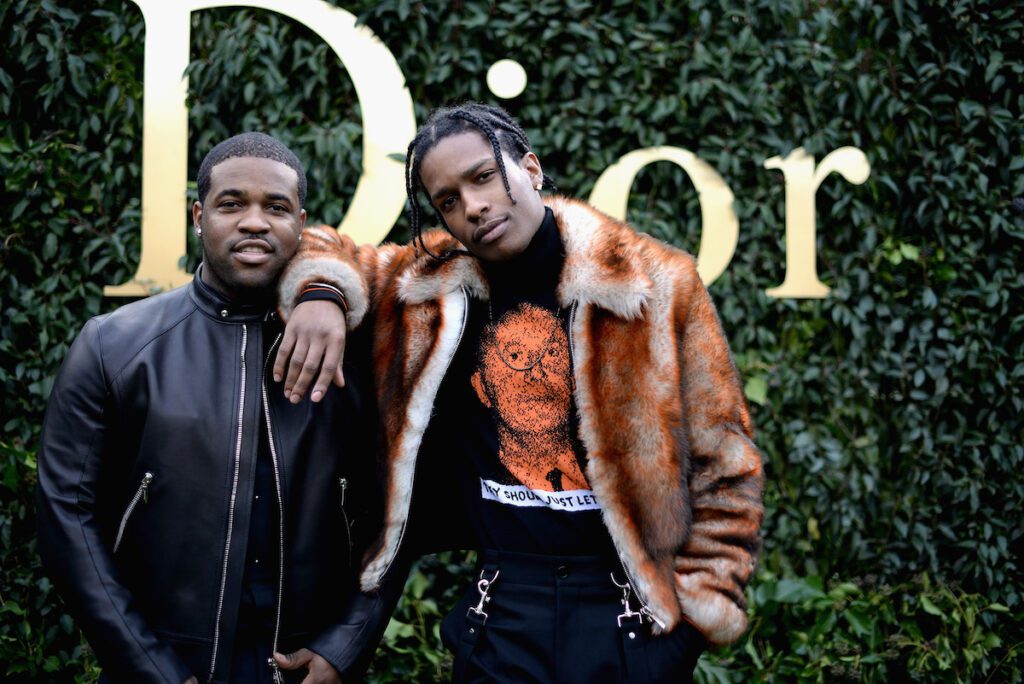
A$AP Rocky
The New York-born rapper shares more than you would think with the Bajan superstar Rihanna. While he’s Rhianna’s partner and the duo are parents to now two children, the A$AP Mob rapper also shares a connection to Barbados as his father was born on the island.
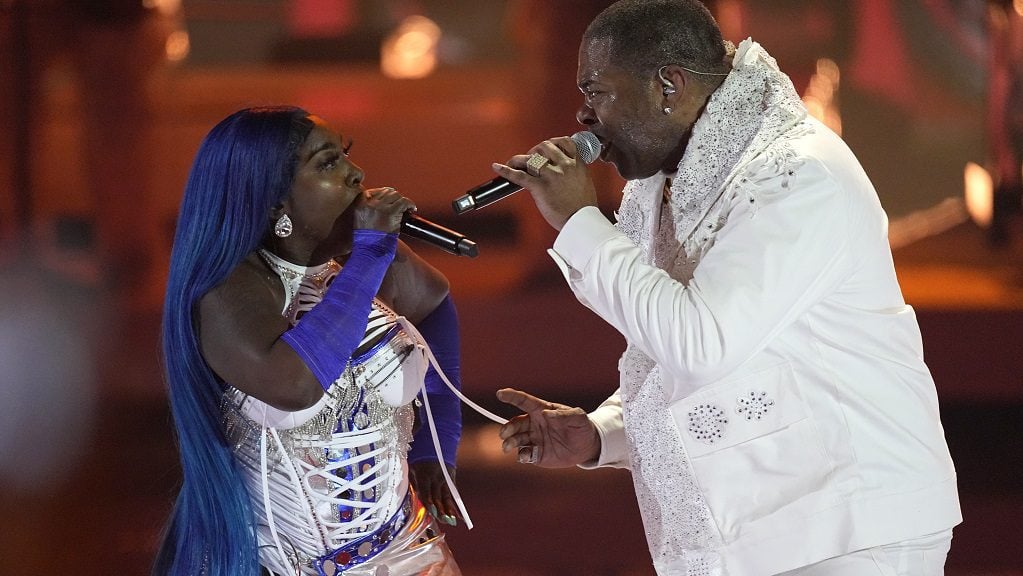
Busta Rhymes
Busta Rhymes is Jamaica-born and bred and makes no secret about his heritage. The hip-hop star is known for his inimitable rapid-fire flow, intricate verse-spanning rhyme schemes, and energetic performances utilizing the entire stage.
Rhymes is frequently in Jamaica enjoying the party scene or reconnecting with local artists.
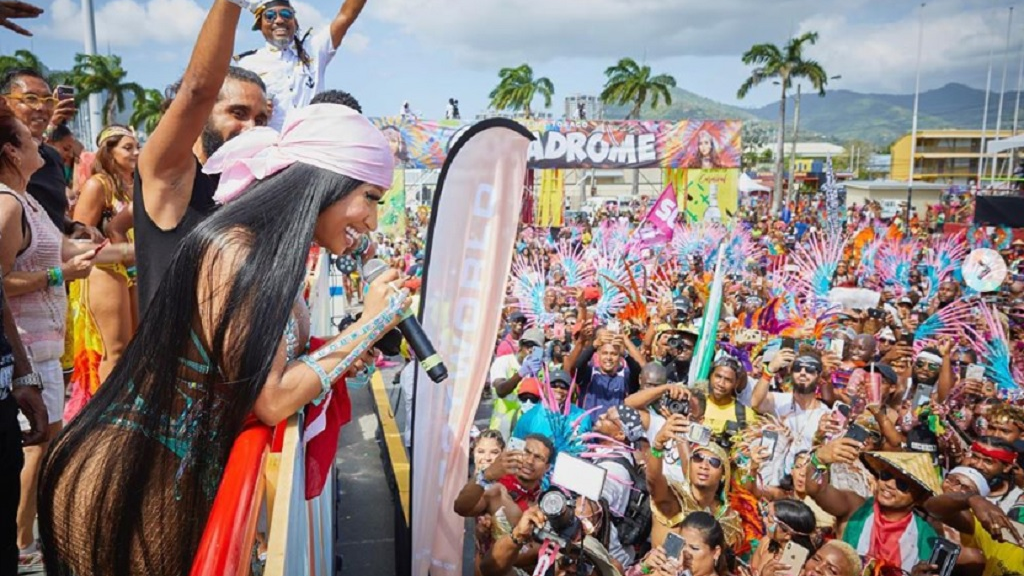
Nicki Minaj
Trinidad-born, Nicki Minaj has revolutionized rapping and carved out a lane for other female rappers to follow. A perennial chart-topper, Minaj hit the ground running with her debut album “Pink Friday” which was certified diamond and featured the classic “Super Bass.” She coupled that with a song-snatching final verse on Kanye West’s “Monster” where she outshone all-time greats Kanye West, Jay-Z, and also Rick Ross.
The rapper is provocative and playful, experimenting with flows and even changing accents mid-song. Upcoming superstars such as rapper Ice Spice cite the 40-year-old “Queen of Rap” as a massive influence on her career.
More Notable Hip Hop Influenced Artists With Caribbean Roots
ASAP Ferg (Trinidad)
FKA Twigs (Jamaica)
Blood Orange (Guyana)
Bobby Shmurda (Jamaica)
Jason Derulo (Haiti)
Latest in Entertainment News from CNW
- Caribana 2023: Toronto comes alive with its vibrant Caribbean carnival
- Beyoncé to bring Renaissance World Tour to Florida next week
- The late Irish songbird Sinéad O’Connor had passion for Jamaican rhythms and roots
- Machel Montano takes Grand Gala stage after receiving Jamaica’s key to the City of Kingston