Ground provision - a staple of Jamaican cuisine
Key Points(5)
- <span style="font-weight: 400;">“Give me food instead of rice.” That’s a statement you are likely to hear at a Jamaican restaurant, from a Jamaican who is putting in their order.
- If you’re not Jamaican, you’ll probably think “But, rice is food,” but to a Jamaican “food” means something specific.
- It’s the starchy-dense side dishes that make up the body of Jamaican cuisine.
- It’s dumplings, green bananas, yams, sweet potatoes, and more.
- These are what Jamaicans refer to as ground provision or hard food.
“Give me food instead of rice.” That’s a statement you are likely to hear at a Jamaican restaurant, from a Jamaican who is putting in their order. If you’re not Jamaican, you’ll probably think “But, rice is food,” but to a Jamaican “food” means something specific. It’s the starchy-dense side dishes that make up the body of Jamaican cuisine. It’s dumplings, green bananas, yams, sweet potatoes, and more. These are what Jamaicans refer to as ground provision or hard food.
Slave history
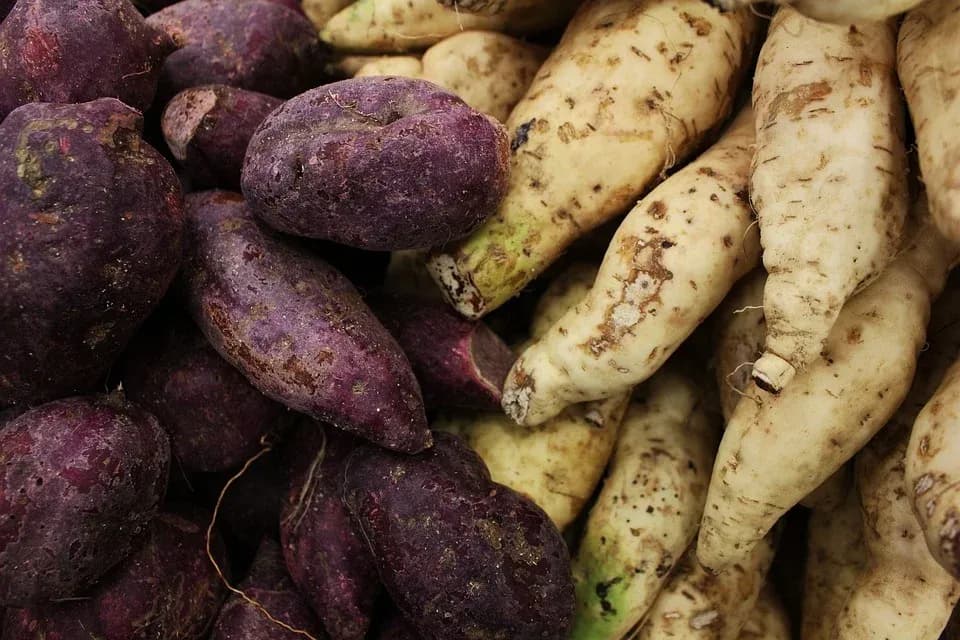
Ground provision is a West Indian name referring to any root vegetable that grows beneath the earth. It’s an evocative name - the ground provides. Jamaican, and Caribbean cuisine, is built on the unique histories of the Caribbean region. The progenitors of many Jamaican meals had to not only prepare food on the run from slavers, but would have to prioritize ingredients that were healthy and durable. Ground provision, therefore, is resilient food for resilient people.
How to eat it
In Jamaican cuisine, ground provisions are often boiled, sometimes in salted water, until the vegetable is softened. Ground provision, which is also called “hard food” or simply “food”, can accompany anything from the national dish - ackee and saltfish - to a saucy entree. Many Jamaicans mop up their gravy at the end of a meal with pieces of ground provision. Ground provision can also be found in Jamaican soup, adding body and texture diversity to the meal.
Today, gourmet chefs, such as Jamaican Brian Lumley, are taking age-old dishes, including ground provision, and infusing them with a modern flair.




.jpg&w=3840&q=75)