Caribbean food brands featured in Forbes
Key Points(4)
- <!-- wp:paragraph --> <p>According to a feature by Forbes, a trend towards Caribbean specialty foods has not gone unnoticed by major US manufacturers.
- With its Jamaican roots, the franchise has expanded beyond the diaspora to operate over 100 outlets in nine states.
- Nicole Grimes, Founder and CEO of Carib Biz Network LLC, highlighted numerous obstacles for Caribbean brands venturing into North America.
- Being true to one’s roots while simultaneously offering a unique experience to consumers plays a crucial role in market penetration.</p> <!-- /wp:paragraph --> <!-- wp:paragraph --> <p>Chefette’s US pop-up was not just about food.
According to a feature by Forbes, a trend towards Caribbean specialty foods has not gone unnoticed by major US manufacturers. They have jumped on this bandwagon, offering Caribbean-inspired products at competitive prices.
Chefette's food truck pop-up
The iconic Barbadian franchise, Chefette, recently marked its 50th year in the fast food industry by hosting food truck pop-up events in New York and Boston. Although renowned for its Western-style fast food combined with unique signature spices and rotis, Chefette's menu diverges from typical Caribbean culinary offerings.
The rising appetite for Caribbean cuisine
The success story of Golden Krust Caribbean Bakery exemplifies the considerable appetite for Caribbean flavors in the US. With its Jamaican roots, the franchise has expanded beyond the diaspora to operate over 100 outlets in nine states.
The National Restaurant Association anticipates Caribbean food, alongside South American and South Asian cuisines, to surge in popularity in 2023.
More on Caribbean food
- How a baker in Chicago is stirring Jamaican flavors into the city’s baking scene
- ZANMI: Impacting lives through Caribbean Culture
- Caribbean Food and Beverage Trade Show set for Trinidad in June
- 10 things to know about Caribbean food
Challenges for Caribbean brands in North America
Despite the recognition that the Caribbean gains from this popularity, authentic Caribbean manufacturers, especially those based in the region, face challenges tied to raw material supply and cost fluctuations.
According to the Forbes article, Dr. Nicole Grimes, Founder and CEO of Carib Biz Network LLC, highlighted numerous obstacles for Caribbean brands venturing into North America. These range from cultural misconceptions to limited marketing knowledge, logistic complications, and resource limitations.
Navigating the branding landscape
Nathan Haddad, CEO of Peppatree, emphasized the importance of thinking “outside the bottle.”
He shared that while Caribbean brands lean heavily into manufacturing, their American counterparts emphasize branding, potentially affecting market penetration and pricing strategies.
Shedding light on the Caribbean experience: The Momentum Expo
Dr. Grimes’ Momentum Expo aimed to bridge the knowledge gap for Caribbean brands.
Momentum, which took place from June 24th to 26th in Brooklyn, New York spotlighted Caribbean brands across a variety of industries— including food.
Connecting with the market: Hibiscus Brew’s success
Allison Dunn’s Hibiscus Brew showcased how intertwining tradition with familiarity can create a successful brand.
Dunn’s shared that their innovative menu centers on sorrel, a Caribbean staple, drawing in both nostalgia and fresh flavors.
Unlocking the potential of Caribbean foods
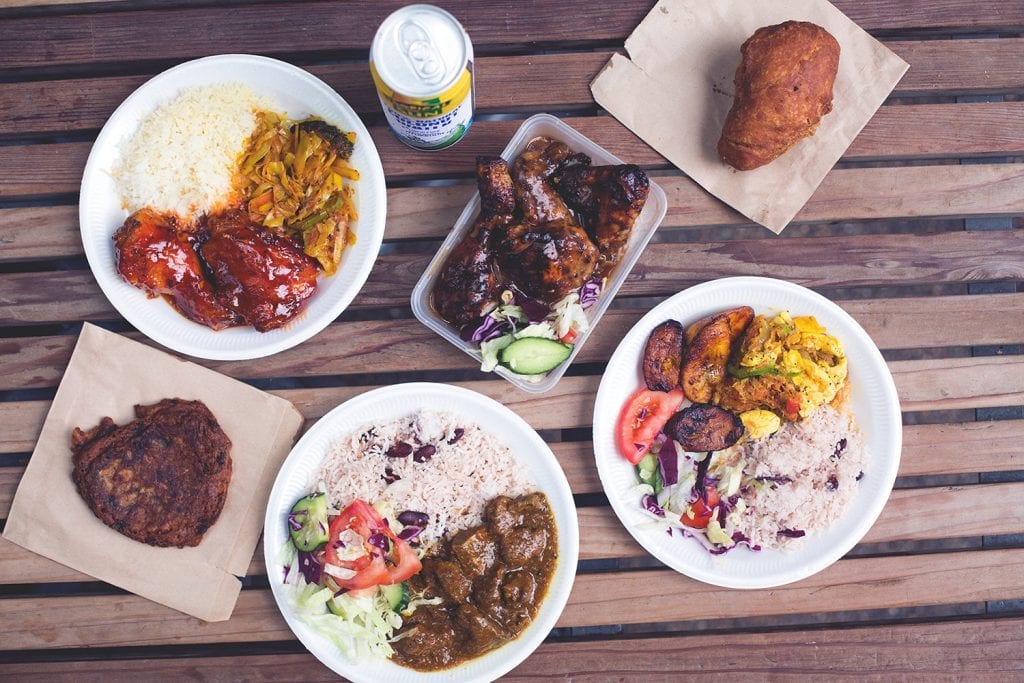
Kirk-Anthony Hamilton, Tech Beach Retreat Co-Founder, and Jason Howard, a celebrated chef from Barbados, emphasize the importance of introducing the spirit of Caribbean islands to US audiences.
Hamilton indicated that by using authentic ingredients and innovative recipes, Caribbean foods can offer a unique gastronomic experience.
Bringing the diaspora to the forefront
With the Caribbean diaspora constituting a significant portion of the US immigrant population, there is a compelling case for Caribbean brands to tap into this market.
Subscription-based services, such as A Taste of Haiti Box and Callaloo-box, have already begun to resonate with diaspora communities, underlining their significance.
The power of authenticity
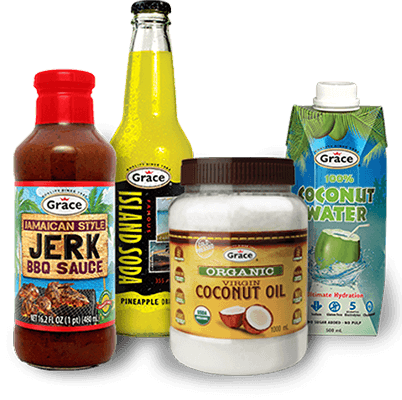
The Forbes article further notes that the longevity and US success of brands like Grace Foods underscore the importance of authenticity. Being true to one’s roots while simultaneously offering a unique experience to consumers plays a crucial role in market penetration.
Chefette’s US pop-up was not just about food. It combined nostalgia, authentic Caribbean flavors, and a unique experience.
As Haddad suggests, for Caribbean brands to compete effectively in foreign markets, it’s essential to look “outside of the bottle” and address the broader narrative.


.jpeg&w=3840&q=75)

.jpg&w=3840&q=75)