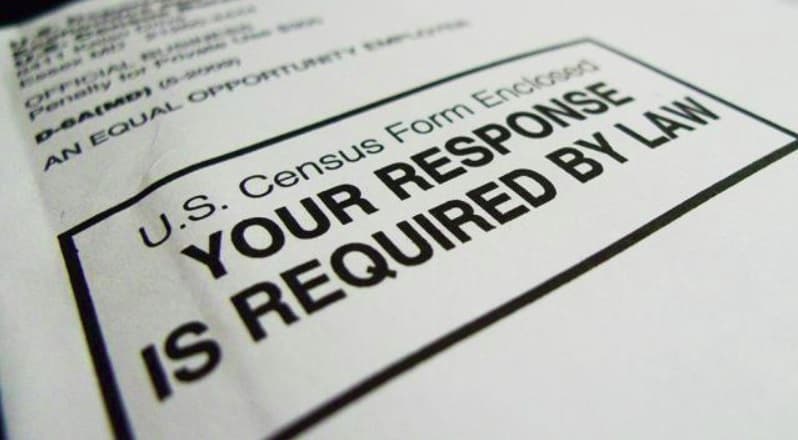
Immigration advocates slam new US rule targeting Caribbean asylum seekers
The United States Department of Homeland Security (DHS) unveiled a new rule on Thursday that has sparked criticism from immigration advocates, particularly concerning the impact on Caribbean and other asylum seekers.
Through the United States Citizenship and Immigration Services (USCIS), the DHS published a Notice of Proposed Rulemaking (NPRM) to apply statutory bars to asylum earlier in the process.
National security and public safety measures
Under the proposed rule, asylum eligibility will be determined earlier to identify and exclude individuals deemed to pose a national security or public safety risk.
According to federal law, asylum seekers who have been convicted of serious crimes or who have participated in persecution are barred from asylum.
Such migrants are considered inadmissible on national security or terrorism-related grounds.
Currently, asylum eligibility assessments are made later in the process, and those posing safety threats are taken into custody.
However, the new rule aims to expedite this determination to improve national security measures.
Impact on Caribbean and other asylum seekers
The New York Immigration Coalition (NYIC), representing over 200 immigrant and refugee rights groups, has expressed concern over the proposed rule’s implications for Caribbean and other asylum seekers.
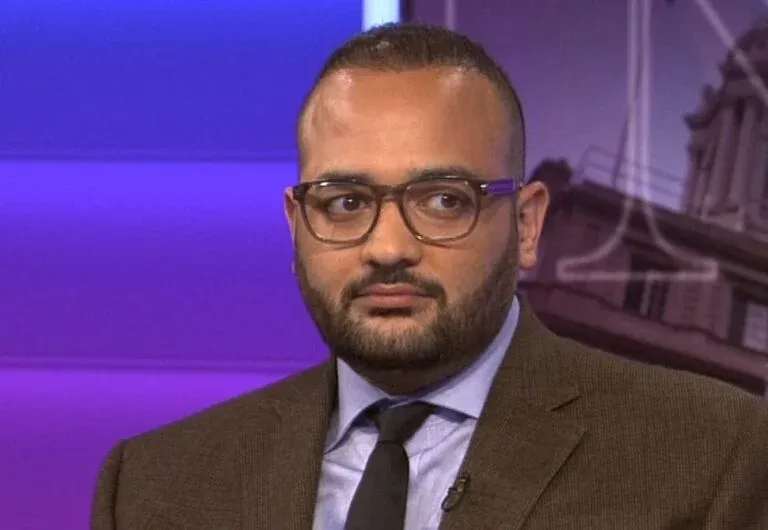
NYIC's president and chief executive officer, Murad Awawdeh, told the Caribbean Media Corporation (CMC) that the rule will significantly affect how asylum seekers are screened, limiting their ability to access safety during vulnerable times and potentially jeopardizing their long-term security in the United States.
Policy guidance changes raise alarms
The proposed rule comes with changes to policy guidance that may affect Caribbean and other immigrants seeking asylum.
One contentious change allows the use of classified information at any stage of immigration proceedings, raising concerns about potential misuse against minority communities.
Awawdeh warns that the policy could disproportionately target Black and Brown communities, Muslims, and others, drawing parallels to post-9/11 immigration practices.
He stressed that an enforcement-only approach has repeatedly failed and argued for solutions that offer safety, dignity, and security.
Efforts to secure borders and ensure accountability
DHS defends the proposed rule as part of the Biden administration’s strategy to strengthen border security and ensure consequences for individuals lacking legal grounds to stay in the United States.
Since May 2023, DHS has removed or returned over 720,000 migrants to 170 countries.
Increasing numbers of asylum seekers at the southern border
Recent months have seen a rise in asylum seekers at the southern border, many of whom are from Venezuela, Cuba, Haiti, Honduras, and Nicaragua.
They often travel to major cities like New York in search of refuge and opportunities.
The proposed rule, therefore, has significant implications for these communities as they navigate the complex asylum process.


.jpg&w=3840&q=75)