Dr. LaToya Lewis on the mental health challenges facing Caribbean women caregivers
Key Points(5)
- As National Minority Mental Health Month shines a spotlight on the unique emotional burdens faced by minority communities, Dr.
- LaToya Lewis, nursing professor and healthcare equity strategist, shares insight on how caregiving impacts Caribbean women.
- Balancing leadership roles, family responsibilities, and professional caregiving, these women often carry heavy mental and emotional loads amplified by cultural expectations of strength and self-reliance.
- With over two decades of experience spanning hospital leadership, academia, and community health, Dr.
- Lewis is a trusted expert featured on PBS Town Halls and international platforms.
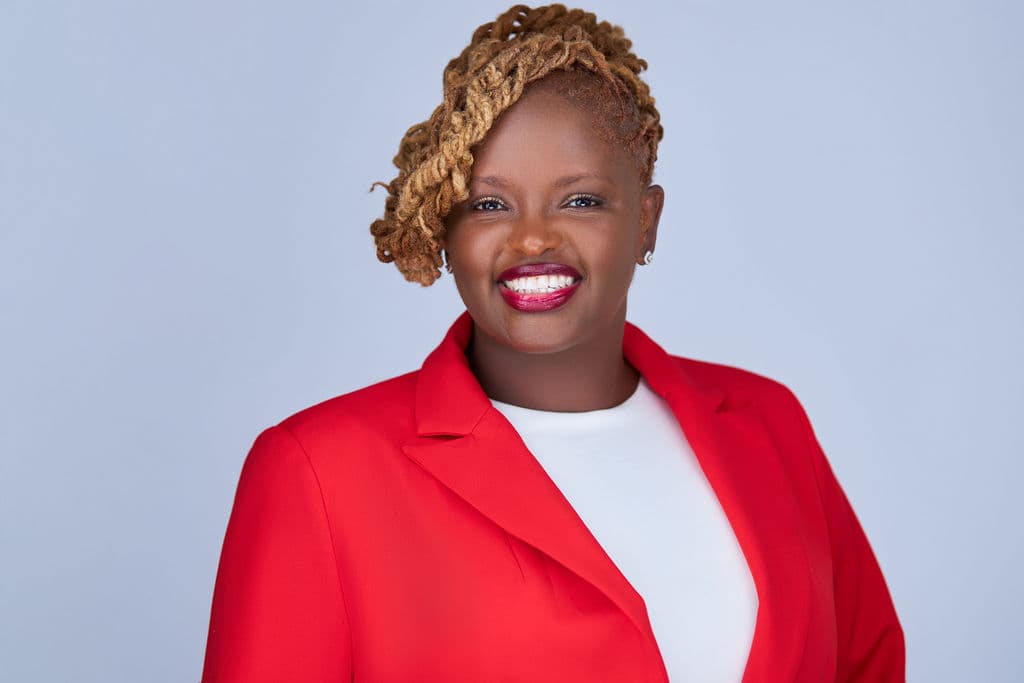
As National Minority Mental Health Month shines a spotlight on the unique emotional burdens faced by minority communities, Dr. LaToya Lewis, nursing professor and healthcare equity strategist, shares insight on how caregiving impacts Caribbean women. Balancing leadership roles, family responsibilities, and professional caregiving, these women often carry heavy mental and emotional loads amplified by cultural expectations of strength and self-reliance.
With over two decades of experience spanning hospital leadership, academia, and community health, Dr. Lewis is a trusted expert featured on PBS Town Halls and international platforms. Named one of South Florida’s Top Black Healthcare Professionals by Legacy Miami, Dr. Lewis is a featured expert at national town halls, academic summits, and cultural forums where healthcare and humanity intersect.
Dr. Lewis highlights the urgent need for balance, culturally responsive mental health support, and community solutions to prevent burnout and build resilience among Caribbean caregivers. In this exclusive Q&A, she explores the intersection of culture, caregiving, and mental wellness.
Q: How does the emotional weight of caregiving uniquely impact Caribbean women juggling leadership, family, and professional roles?
Dr. Lewis: Caribbean culture often embraces the “I can do it all” mindset. While resilience is celebrated, true excellence comes from balance. Caribbean and other minority women face pressure to meet high expectations without pause. We need more therapists of color, community-based support, and early mental health literacy—especially teaching children to express emotions openly so stress is shared and managed early.
Q: How can soul-centered leadership in healthcare help ease caregiver burnout in Caribbean and immigrant communities?
Dr. Lewis: This approach recognizes family structures and caregiving rituals unique to Caribbean communities. We need better feedback and research to understand how culture affects caregiver stress and how to support them effectively.
Q: The “strong Caribbean woman” is celebrated, but what are the mental health consequences of romanticizing this strength?
Dr. Lewis: It’s seen as superwoman status—expected to carry multiple burdens without rest. Many Caribbean women face mental, physical, and emotional overload with pressure from older generations to “make us proud.” Asking for help is often seen as weakness, leading to silent suffering and burnout.
Q: How can Caribbean families move from silent sacrifice to shared caregiving responsibility while honoring tradition?
Dr. Lewis: Reviving family meetings rooted in Caribbean tribal customs, where elders made decisions collectively, can help distribute caregiving duties more fairly rather than burdening one person.
Q: What role can faith, family, and community play in supporting caregivers’ mental health?
Dr. Lewis: Faith organizations can hold brief workshops and organize care shifts so caregivers can rest and receive meals. Technology also offers opportunities—apps could allow caregivers to express themselves and find support easily.
Q: Why should caregiver burnout be treated as a health equity issue, especially for women of color?
Dr. Lewis: Burnout often goes unspoken in Black and Brown communities, becoming a personal struggle that threatens cultural, spiritual, and emotional well-being. Addressing burnout is urgent and must be part of healthcare equity efforts and policy.
Q: What practical steps can reduce caregiving burdens in under-resourced communities?
Dr. Lewis: Community fairs or caregiver support meetings—virtual or in-person—can break isolation. Improving technology access and developing dedicated apps would allow caregivers to connect and share support before burnout worsens.
Q: What lessons from international Caribbean and diaspora communities could improve caregiver support in the U.S.?
Dr. Lewis: In places like Uganda, caregiving is seen as duty with little emotional sharing—similar to Caribbean culture. Recognizing this helps highlight the need for emotional support alongside caregiving.
Q: Are there ancestral wellness practices Caribbean caregivers can use today for emotional resilience?
Dr. Lewis: Yes. Rituals like lighting candles, music, nature walks, prayer, meditation, and communal meals build emotional resilience by fostering grounding and joy—practices that remain vital today.
Dr. LaToya Lewis’s insights illuminate the mental health challenges Caribbean caregivers face, underscoring the need for culturally grounded solutions that honor heritage while promoting healing and balance.
.png&w=1920&q=75)