Trinidad and Tobago observing Indian Arrival Day with calls for greater racial unity
Key Points(5)
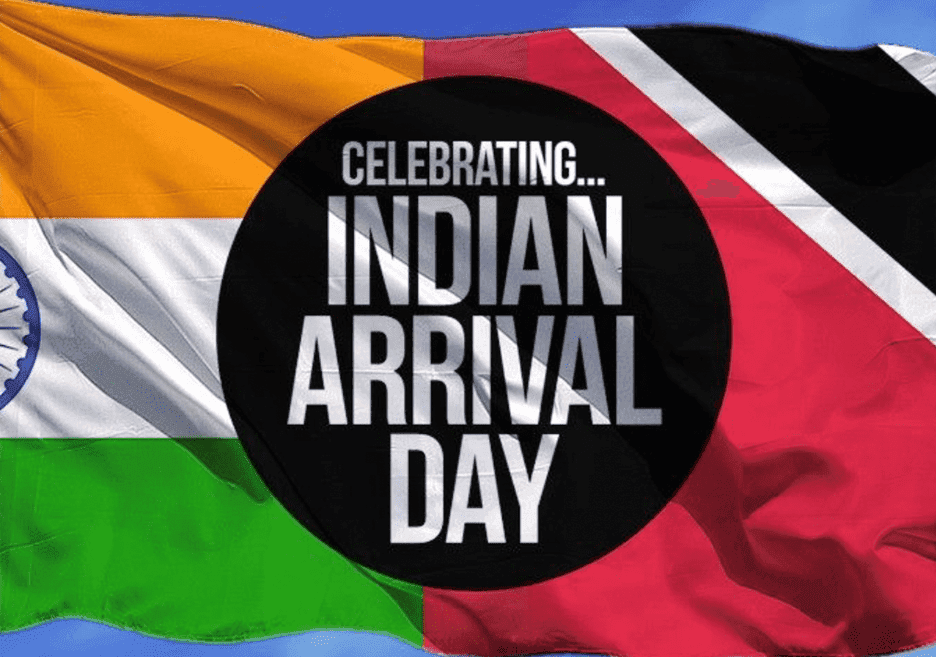
- Trinidad and Tobago is observing the 177<sup>th</sup> anniversary of the arrival of indentured laborer’s from India, with a public holiday on Monday amid calls for a recommitment to unity among the races and religions in the oil-rich twin-island Republic.
- “Some analysts are painting a bleak picture of that immediate future.
- Rowley said today, the whole country acknowledges the cultural and religious differences of the Indian community, and more so its contribution and rightful presence in Trinidad and Tobago.
- “The population recognises the “toil and sweat” of the indentures in the early years and continues to admire the work ethic, thrift, and varied traditions of the entire community– all of which have added to the greatness of our nation.
- In her message, Opposition Leader Kamla Persad Bissessar, the first woman of Indian descent to lead a government here said on arrival here the indentured labourers “faced decades of uncertainty, unfairness, unkindness and inhumane treatment by those who told them this was a better way of life.
Trinidad and Tobago is observing the 177th anniversary of the arrival of indentured laborer’s from India, with a public holiday on Monday amid calls for a recommitment to unity among the races and religions in the oil-rich twin-island Republic.
Prime Minister Dr. Keith Rowley in a message to mark the occasion, said that since the arrival of the first Indian indentured labourers in 1847, after a three-month journey, the world has evolved radically, in profound ways, from that colonial period “to the future-smart, future-ready world of the 21st century, which is now being defined by such junctures as pre COVID -19, and a post-pandemic era with unfolding psycho-social effects.
“Some analysts are painting a bleak picture of that immediate future. Looking at global challenges, they are holding out predictions of impending worldwide inflation, more food shortages, unsteady supply-chain situations, heightened fuel and energy prices, deteriorating climate changes, and a lengthening of the Russia-Ukraine war – the effects of which could reach the lunch plate of the average Trinbagonian family, eventually.”
He said this is in addition to the other challenges of crime, violence, human, drugs, arms, and ammunition trafficking in almost every part of the world.
Rowley said today, the whole country acknowledges the cultural and religious differences of the Indian community, and more so its contribution and rightful presence in Trinidad and Tobago.
“The population recognises the “toil and sweat” of the indentures in the early years and continues to admire the work ethic, thrift, and varied traditions of the entire community– all of which have added to the greatness of our nation.
In her message, Opposition Leader Kamla Persad Bissessar, the first woman of Indian descent to lead a government here said on arrival here the indentured labourers “faced decades of uncertainty, unfairness, unkindness and inhumane treatment by those who told them this was a better way of life. They persisted with hope and developed a vision and a plan to better themselves.
“This hope gave them the strength to toil through the hardships they faced. They stood strong through the injustice that was often meted out against them and dedicated themselves to gaining success for themselves and for the country they now called home”.
CMC