By: Renee Kendall

A wise man once said “A good man leaves an inheritance to his children’s children…” But, what does this mean for the many families that are headed by women?
Within the Caribbean diaspora population, there are more households headed by women than men. However, most of these very women do not have an estate plan in place, though it is particularly important for them and their families.

Here are a few key reasons why.
Women often bear the weight of responsibility with regards to financial, physical, emotional and all other areas of care taking. These responsibilities will include our aging parents, spouses, children, adult siblings and other extended family.
There is often no one left to take over the immense level of responsibility we carry during our lifetime and a wealth of information can die with us, leaving our loved ones “uncovered.”

Statistically, women outlive men, so proper estate planning is more important for the surviving spouse, who will likely be the woman. Estate planning is of even greater importance for women living with men to whom they may not be legally married, since there is limited protection under the law for the surviving women, in such circumstances.
Consider the following common scenario: An elderly person, living alone, becomes increasingly confused or forgetful as they age. They begin to neglect bills, medical appointments and basic security measures like locking their front doors. Their adult child, usually a daughter, steps in to help mom or dad and is met with great resistance.
Without proper planning, your mom’s bank, union, landlord or mortgage lender does not have to talk to you, even if you explain that your mom is sick, becomes confused, or is unable to handle her own affairs. So how can you help or avoid the above scenario? An estate plan.

What is an estate plan?
An estate plan is a detailed description of a set of instructions you give during your lifetime about what you want done with your assets in the event of your death, or should you become ill or incapacitated, or as you age. An estate plan can include a will, a trust or a living will, but should also include some important tools like a Power of Attorney and Health Care Proxy designations.
What an estate plan is not?
Purchasing life insurance, listing a beneficiary on your bank accounts or telling someone in the family, “When I die, the house is yours,” is not an estate plan. While taking any of these actions may be a good idea, they cannot replace a well written and well thought out estate plan, because they can leave family members uncovered in cases of emergencies, at the mercy of lengthy court proceedings or fighting among each other about who is entitled to what.
What’s more, the actions above do not include the often-overlooked Power of Attorney. A Power of Attorney is a document whereby one person can empower another to act on their behalf in the event of illness, incapacity or absence.
A Power of Attorney can be a valuable tool for someone who is taking care of an elderly parent or loved one, when properly planned and executed. It can enable you to conduct banking, contact government agencies or handle your affairs for an aging parent, even in cases when that parent lives ‘back home’ in a Caribbean country.
The Caribbean diaspora and estate planning
The Caribbean diaspora is a multinational organism, which means that we are likely to have family members, property, assets, bank accounts and other affairs, in both the countries where we currently reside, and also in our native or home countries.
So, what happens when a person with multinational interests dies without an estate plan in place? And how does a surviving loved one begin to settle an estate that may be scattered or concealed?
The answer is that loved ones are left scrambling, because settling an estate will often require tracking down immediate family members and obtaining copies of birth records, marriage records, land deeds or bank statements – any or all of which could be in one or several other countries. The circumstances can turn what should be a time for grieving and reflection, into a multinational scavenger hunt, amidst squabbling families. The result is chaos amidst sadness.
Failure to have a proper estate plan can also present a unique set of challenges when we attempt to make funeral arrangements. For example, did you know that many Caribbean countries require you to produce a passport for a deceased person, when you are trying to fly a deceased loved one back home to be buried?
What should you do?
A woman who is the head of a household should create a plan for herself, her aging parents or in-laws, as well as for her spouse or partner. Why? Because failure to plan will fall squarely on her shoulders or that of her children. Proper planning is key to avoiding the chaos and frustrations described above.
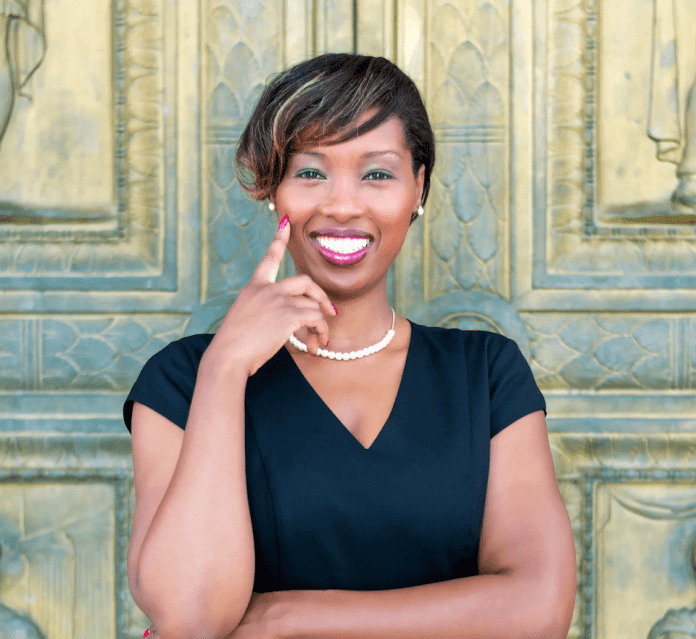
Renee Kendall is a practicing attorney specializing in estate planning, administration and real estate. She’s also the founding partner of Caribbean Legal Solutions – a multinational legal services company with practicing attorneys throughout the USA, the Caribbean, UK and Canada.