Jamaica gets US$200 million in hurricane disaster protection from World Bank
Key Points(5)
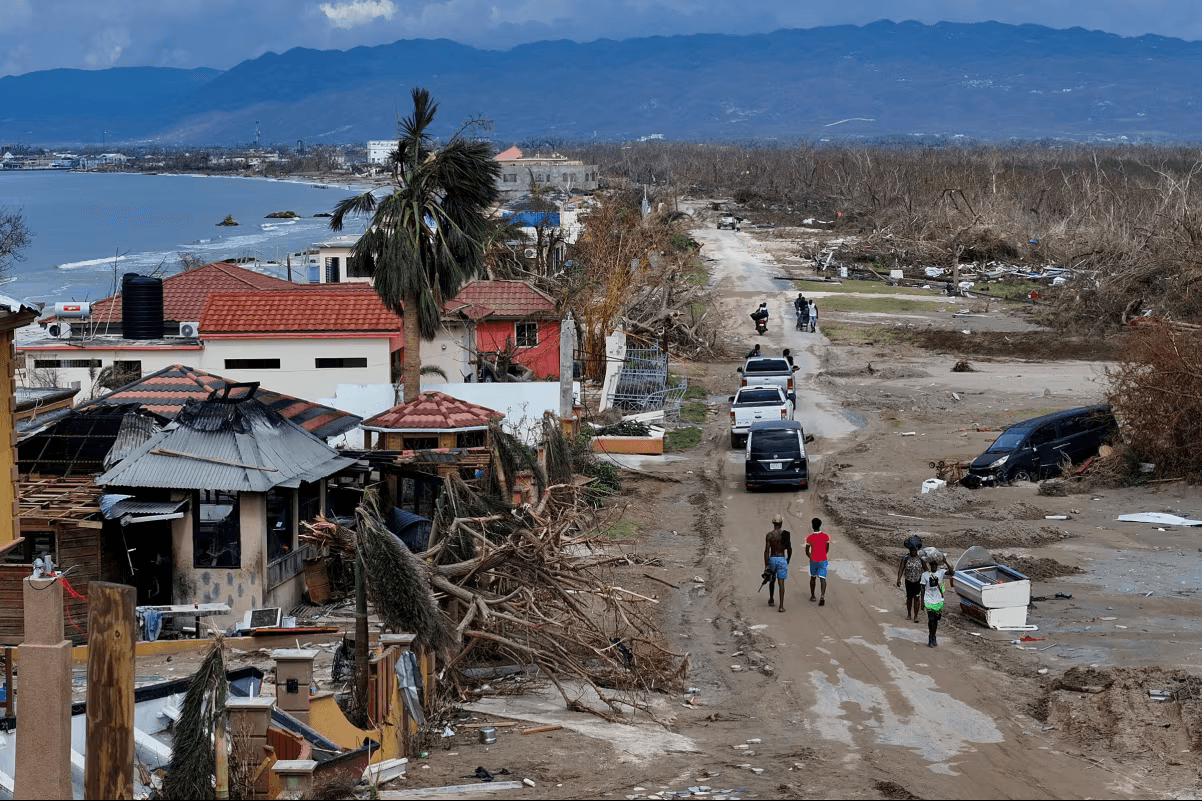
- After last year’s record-devastating Hurricane Melissa — which caused an estimated US$8.8 billion in damage across Jamaica — the World Bank has increased the country’s hurricane insurance coverage to US$200 million ahead of the 2026 Atlantic hurricane season.
- The World Bank announced Monday that investor demand for the bond exceeded expectations, allowing the coverage amount to increase from an initial target.
- The new arrangement replaces a previous US$150 million catastrophe bond that fully paid out after Hurricane Melissa met pre-agreed conditions tied to the storm’s strength and path.
- Catastrophe bonds, often called “cat bonds,” are designed to give countries quick access to money after major natural disasters.
- Under the system, investors buy the bonds and receive returns unless a qualifying disaster occurs.
After last year’s record-devastating Hurricane Melissa — which caused an estimated US$8.8 billion in damage across Jamaica — the World Bank has increased the country’s hurricane insurance coverage to US$200 million ahead of the 2026 Atlantic hurricane season.
The World Bank announced Monday that investor demand for the bond exceeded expectations, allowing the coverage amount to increase from an initial target. The new arrangement replaces a previous US$150 million catastrophe bond that fully paid out after Hurricane Melissa met pre-agreed conditions tied to the storm’s strength and path.
Catastrophe bonds, often called “cat bonds,” are designed to give countries quick access to money after major natural disasters. Under the system, investors buy the bonds and receive returns unless a qualifying disaster occurs. If the disaster meets the agreed conditions, the funds are released to the affected country.
The new bond will provide Jamaica with hurricane protection for the next three years.
According to the World Bank, Jamaica remains highly vulnerable to hurricanes and the economic damage they can cause, including impacts on infrastructure, livelihoods and government finances. Officials said the bond forms part of the country’s broader disaster preparedness strategy, alongside emergency reserves, insurance and contingency financing.
“Having disaster risk financing in place is a key pillar of our resilience building framework. We thank our partner, the World Bank, for its continued support. The catastrophe bond is an important piece ensuring capital market access for Jamaica,” said Fayval Williams, Jamaica’s minister of finance and the public service.
Jorge Familiar, vice president and treasurer of the World Bank Group, said the payout after Hurricane Melissa showed the value of fast-access disaster financing.
"We are proud to continue supporting Jamaica in accessing capital markets through the World Bank to strengthen its resilience against hurricane risk," Familiar said. "The payout following Hurricane Melissa demonstrated once again how countries can prepare for disaster with well-designed parametric instruments that deliver fast, and reliable financial protection when it is needed most."
The World Bank said the financing was arranged through its “capital at risk” notes program, which allows member countries to transfer some disaster risks to global financial markets.
Susana Cordeiro Guerra said Jamaica’s recent hurricane experiences underscore the need for financial preparedness.
“Jamaica’s commitment to building resilience and protecting livelihoods through hurricane insurance coverage is commendable. Having faced two significant hurricanes in the past two years, financial preparedness remains critical, and the World Bank will continue supporting Jamaica as it plans and builds forward,” Guerra said.
The transaction was arranged by Aon Securities and Swiss Re Capital Markets, while Moody's provided risk modeling services.
“Moody’s is privileged to work with the World Bank on this latest bond issuance, which plays an important role in strengthening the Government of Jamaica’s mission to build financial resilience to natural disasters. Catastrophe bonds are increasingly important in providing timely access to funding following severe events, and it is important that they are underpinned by robust risk quantification,” said Michael Steel, general manager of Moody’s Insurance Solutions.