
ECLAC reveals Digital Development Observatory to drive regional transformation
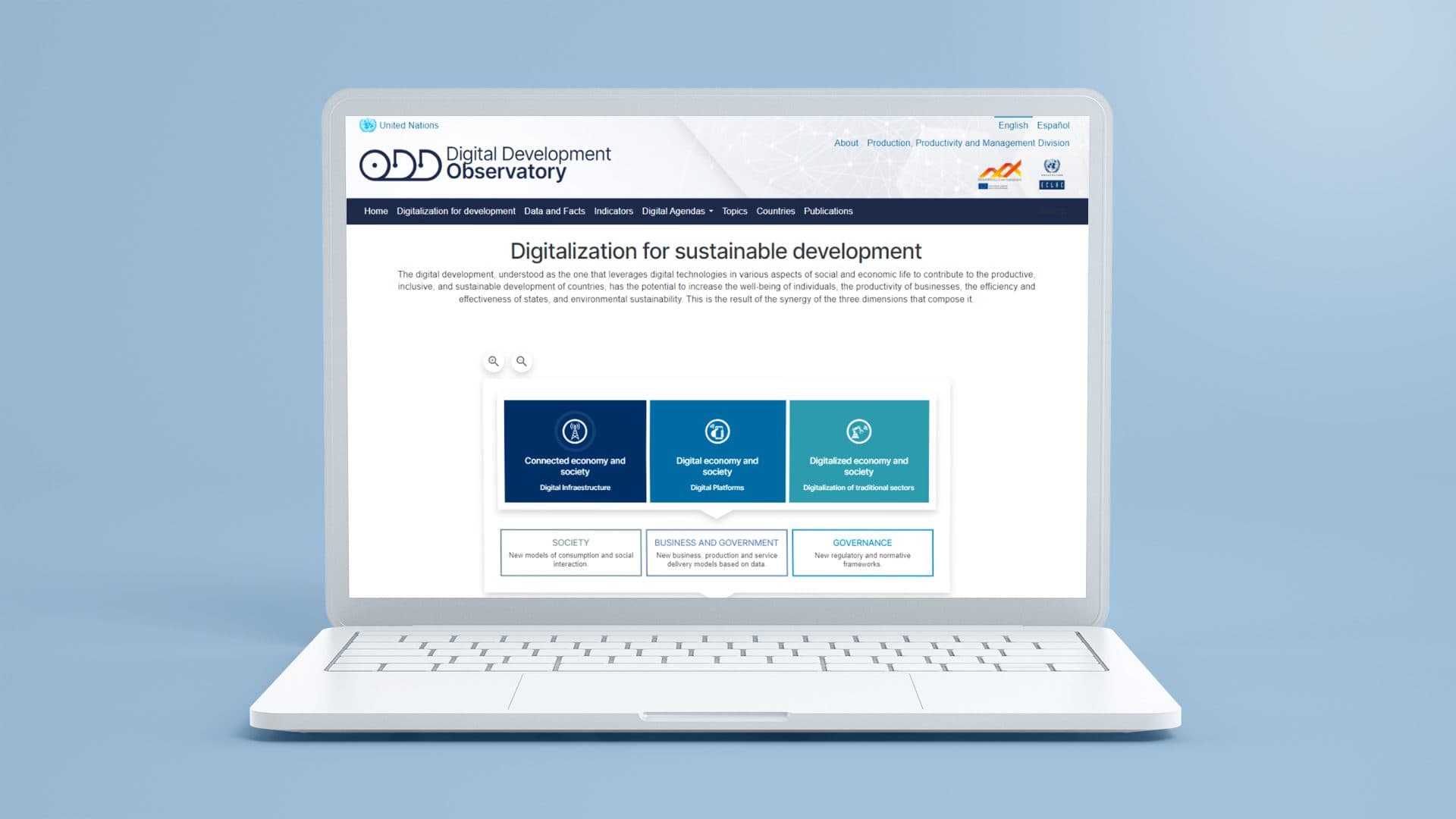
In a bid to catalyze digital transformation across Latin America and the Caribbean (LAC), the Economic Commission for Latin America and the Caribbean (ECLAC) has launched its Digital Development Observatory (DDO).
This initiative, as unveiled by ECLAC, is set to revolutionize the region’s digital landscape by generating, collating, and scrutinizing pertinent data and information crucial for discerning trends, assessing advancements, and bolstering policy frameworks.
A comprehensive repository of insights
At the heart of the DDO lies a dynamic website housing a wealth of resources. Boasting over 100 indicators and qualitative insights spread across 12 thematic domains deemed pivotal for the digital evolution of regional nations, this platform covers an extensive spectrum.
From connectivity and digital inclusion to the realms of e-commerce, digital skills, and artificial intelligence, the DDO aims to provide a holistic perspective on the digital terrain.
During the virtual presentation, José Manuel Salazar-Xirinachs, ECLAC’s executive secretary, emphasized the landmark significance of the Digital Development Observatory.
He articulated its primary objective which is to produce indicators and information that would improve the formulation of evidence-based policies in areas of digital transformation to drive more productive, inclusive, and sustainable development in our countries,
Challenges and opportunities
Despite strides made, the DDO’s findings shed light on concerning realities.
It is reported that more than 60 per cent portion of companies in LAC utilizing the internet remain passive, refraining from leveraging this tool for transactions.
The plight is further pronounced among Micro, Small, and Medium-sized Enterprises (MSMEs), where a staggering 70 per cent lack any online presence.
Salazar-Xirinachs underscored the repercussions of this digital inertia, emphasizing its adverse impact on regional productivity and competitiveness.
Salazar-Xirinachs noted that addressing these challenges demands intensified efforts toward digital outreach, which is crucial for steering the region toward a more prosperous future.
Acknowledging the collaborative efforts behind the DDO, Félix Fernández-Shaw, director for Latin America and the Caribbean at the Directorate-General for International Partnerships (DG INTPA) of the European Commission (EC), hailed it as a testament to EU-LAC cooperation.
He advocated for an equitable and inclusive digital transition, stressing joint action on cybersecurity, artificial intelligence, and digital governance.
Bridging the digital divide
The DDO’s insights lay bare the persistent disparities in digital access.
While progress has been made, fixed broadband penetration in the region languishes below 20 per cent, trailing far behind Europe’s 40 per cent.
Moreover, the quality of connections, both fixed and mobile, falls short of global averages.
Notably, the digital chasm is exacerbated by socioeconomic factors. Internet penetration in higher-income households significantly outpaces that in lower-income counterparts.
Urban-rural discrepancies persist, with connectivity rates in urban areas far outstripping those in rural locales.
Navigating the path ahead
As the region navigates the digital landscape, national digital agendas emerge as crucial instruments for effecting transformation.
However, ECLAC highlights a concerning trend of dwindling efficacy in recent years.
It noted that while prevalent across most countries, these agendas lack concrete roadmaps, dedicated resources, and mechanisms for evaluation, diluting their transformative potential.
In the face of these challenges, the Digital Development Observatory emerges as a beacon of hope, illuminating pathways toward a digitally empowered future for Latin America and the Caribbean.