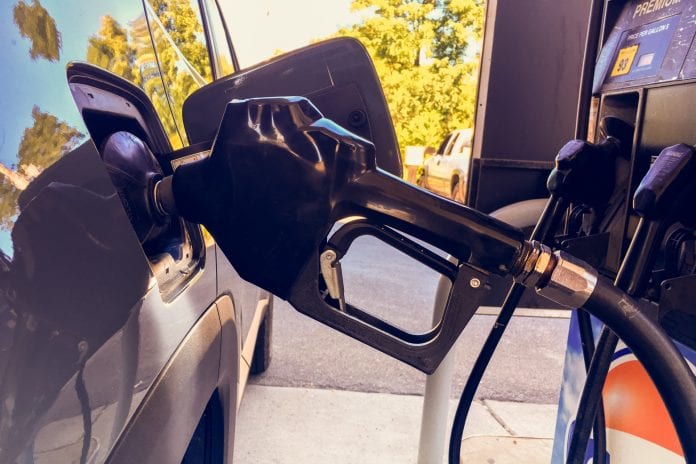
The St Lucia government said while it continues to cushion the impact of the rising global oil prices, the subsidies being provided to citizens represent an estimated EC$2.9 million (One EC dollar=US$0.37 cents) shortfall in revenue.

The announcement by the Phillip J. Pierre government follows a broadcast earlier this week, in which Opposition Leader Allen Chastanet, described the economic policies of the government as “heartless.”
“It is also clear that this is an administration that does not understand our economy. When you pass on costs to our citizens and businesses at a time when the economy is still recovering, what is the expected outcome? When you raise gas prices, who do you think it will affect?” Chastanet asked, adding that the country’s economy has improved to pre-coronavirus (COVID-19) conditions.

“While it is clearly in any government’s purview to change policy, at least change it for the better, instead this heartless administration is raising havoc within households and the business community,” he added.
In its statement, the government said despite the 8.5 percent inflation rate, the largest in 40 years, which is being experienced by the United States, the island’s largest trading partner, the COVID-19 pandemic, and the Ukraine/Russia conflict, the government continues to cushion the impact of rising global oil prices.
It said the fuel prices were adjusted on May 2 for three weeks ending May 22.
“The subsidies on the 20 pound and 22-pound cylinders of gasoline are being subsidized by EC$25.30 and EC$27.83, respectively. These subsidies represent an estimated EC$2.9 million shortfalls in government revenue.
“Similarly, the government continues to provide subsidies on gasoline and diesel where it collects $0.00 in excise tax on gasoline.”
The statement quoted Prime Minister Pierre as reminding the population that “shortfalls in revenue will have serious implications for the government’s already strained cash flow and its ability to meet critical expenditures in areas such as healthcare, education, social assistance, wages and salaries, and debt payments.

“Collections from the excise tax on gasoline and diesel are needed to finance government operations, including the provision of supplies to hospitals and health facilities, the management of COVID-19, and the provision of educational equipment and supplies.”
But the St Lucia government said notwithstanding the challenges, its “comprehensive and people-centric budget for 2022/23 is expected to ease the impact of the ongoing COVID-19 pandemic, the Ukraine-Russia conflict, and its effect on rising inflation and global oil prices”.
CMC/