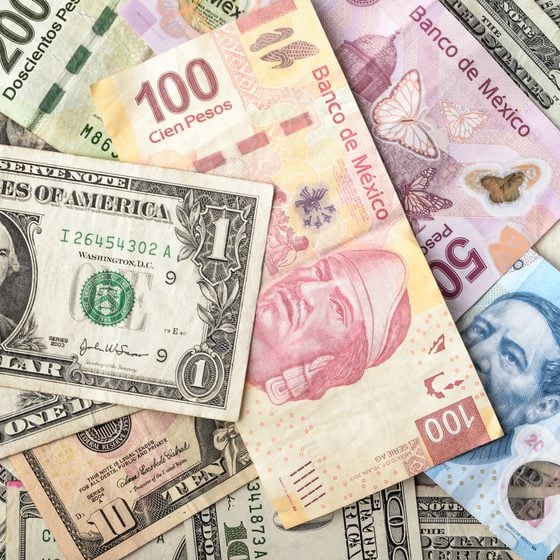
BRIDGETOWN, Barbados, CMC – The Barbados government says it will allow residents to hold foreign currency accounts of up to US$10,000 as of August 2 this year.

Minister in the Ministry of Finance, Ryan Straughn, said the funds deposited into these foreign currency accounts cannot be purchased from the local domestic access to foreign exchange.
“[It is] for persons doing business and who may have investments abroad, [to give them] the ability to hold as a safe place with respect to that foreign exchange….”

Straughn said while previously foreign exchange accounts had a 70 percent surrender value, the government was in the process of putting a framework in place to eliminate that as a signal to the country that it wanted persons to utilize the accounts to conduct their business.
Personal travel allowances increased
He said the Mia Mottley administration has also sought to increase the personal allowance with respect to travel facilities for individuals, which was previously at BDS$7,500 annually.
“That is going to be increased to BDS$20,000 with respect to persons wishing to travel,” he said, noting that government wanted to signal to the people that normal service in Barbados had resumed.
“We want to give citizens the assurance that whether you go away on holiday, or to visit family overseas or for medical treatment or whatever access to foreign exchange is there, but it has to be done in an orderly fashion,” he said, noting the environment was now more regulated and it was the government’s intention to attract foreign exchange into the country.
Delivering her administration’s national budget in March, Prime Minister Mottley said the 1970s-era foreign exchange controls were initially designed to regulate the flow of foreign exchange to ensure sufficient reserves to defend the exchange rate.

Exchange controls could have negative effects
But, she said, with the advent of greater trade and globalization, a consensus emerged that exchange controls, if not managed and administered well, could create distortions and can disrupt economic efficiency and growth.
She said the time is now ripe “for us to begin a gradual relaxation of exchange controls” and that the Central Bank would be gradual in the relaxation of the controls.