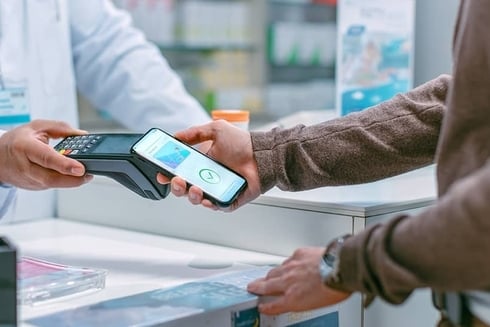
The way Americans pay for things has changed more in the last decade than in the previous fifty years. From tapping a phone at the checkout to sending money instantly across the country, the expectations consumers bring to financial transactions have fundamentally shifted, and the industry is moving fast to keep up.
- The Move Away From Cash-Only Transactions
Cash’s share of U.S. payments has fallen sharply over the past decade, dropping from 31% of all transactions in 2016 to around 16% by 2024, according to Federal Reserve data. Digital wallets, contactless cards, and mobile banking apps have stepped into the gap, and adoption is accelerating. By mid-2025, 65% of American adults were using a digital wallet, up from 57% the year before, with proximity mobile payment transactions reaching $670.5 billion in 2024 alone. Platforms like Apple Pay and Google Pay have moved from novelty to expectation, and consumers choose merchants and services based on whether they can pay the way they prefer.
- Why Accessibility Matters in Financial Technology
Widespread adoption of new payment tools depends not just on technology but on how easy that technology is to use. Speed and simplicity rank as the top reasons consumers switch to new financial services, and institutions that fail to deliver both are losing ground quickly. According to J.P. Morgan’s payments research, AI agents are projected to handle 15–25% of all U.S. payment interactions within the coming years, as the industry moves toward systems that reduce friction at every stage of a transaction. For many consumers, particularly those without easy access to traditional banking infrastructure, accessibility is the deciding factor in whether they can participate in modern financial life at all.

- The Growing Visibility of Crypto in Everyday Finance
Cryptocurrency has moved well beyond speculative investing and is a big part of everyday financial infrastructure. One of the more visible signs of this is the expansion of physical access points across the country, and searching for a local Bitcoin ATM is now a practical option for millions of Americans, with over 30,000 machines operating nationwide at convenience stores, gas stations, and retail locations. Stablecoins are also gaining traction in mainstream payments, with regulatory clarity provided by the GENIUS Act of July 2025 opening the door for broader institutional and consumer adoption. For everyday users, the path into digital currency is becoming shorter and more familiar.
- What the Future of Payments Could Look Like
The direction of travel is clear: payments are becoming faster, more embedded, and more personalized. Real-time payment networks like FedNow and RTP continue to expand their reach, while embedded finance is integrating lending, insurance, and investment tools directly into the platforms consumers already use daily. Deloitte’s payments outlook identifies stablecoin adoption, real-time infrastructure, and AI-driven fraud defense as the five dominant forces shaping the industry through 2026. The defining characteristic of the next generation of payment technology won’t be any single innovation, but it will be invisibility. The best payment experience is the one consumers barely notice.
America’s payment landscape is no longer defined by a single dominant method. It’s defined by choice, speed, and access. As technology continues to close the gap between traditional and digital finance, consumers who understand and embrace these tools will be best placed to navigate whatever comes next.