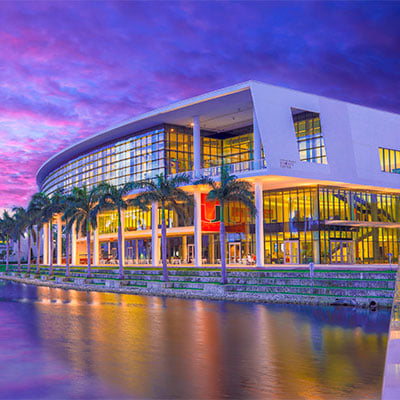
The University of Miami has been named an Official Miami World Cup 2026 Host City Supporter, joining efforts to help prepare South Florida for the FIFA World Cup 2026 while investing in long-term community initiatives.

The announcement was made on Tuesday by the FIFA World Cup 2026 Miami Host Committee, which said the partnership reflects a shared commitment to creating a lasting impact beyond the tournament itself.
Miami is expected to host seven World Cup matches during the summer of 2026. Organizers project the event could generate as much as $1.3 billion in economic impact for the region, while attracting an estimated one million visitors to South Florida.

Officials said the influx of visitors will place heavy demand on local infrastructure and city operations, but is also expected to provide a major boost for businesses, hotels, and restaurants across the area.
“The FIFA World Cup 2026 will bring an unprecedented number of visitors to Miami in a short period of time,” said Tanya Andreadis, senior vice president and chief marketing, communications, and digital officer for the university.
“We are thrilled to collaborate with the Miami Host Committee to support the city as it prepares for that special moment,” she added. “We also share their commitment to ensure something real is left behind.”
As part of the partnership, the university will support the Host Committee’s ONE GAME ONE FUTURE legacy initiative, which focuses on community investment tied to the World Cup.
The initiative includes plans to develop a new soccer field in an underserved community, aimed at expanding access to the sport for local youth long after the tournament ends.
“The University of Miami is deeply woven into the fabric of this community, and its alignment with the Host Committee reflects the very best of what our city represents,” said Alina T. Hudak, president and CEO of the Miami Host Committee.

Hudak praised the university’s longstanding ties to education, athletics, innovation, and public service, calling the partnership an important part of Miami’s preparations to welcome the world in 2026.
Organizers said the collaboration is intended not only to support a successful World Cup experience in Miami, but also to leave behind tangible benefits for residents and future generations.