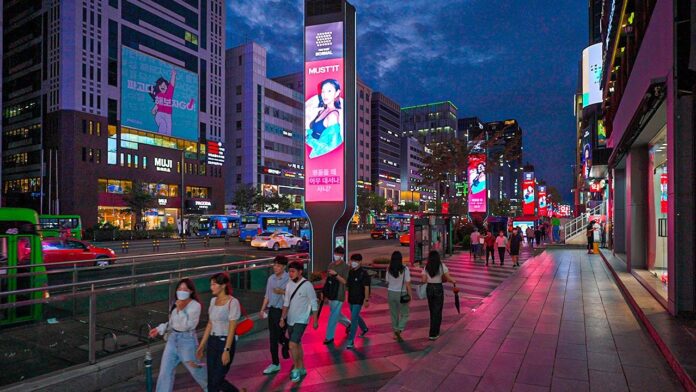
Gangnam, one of Seoul’s most dynamic districts, is at the forefront of using smart-city technology to guide decisions after sunset. Real-time data from streets, transport corridors, and public spaces reveals late-hour patterns that traditional surveys once overlooked. City teams can monitor Gangnam’s evening activity and adjust plans quickly, supporting safer movement, stronger business zones, and efficient use of public resources. With more systems connected, the night hours in Gangnam become a measurable and actively planned part of urban growth.

Mapping Night Activity in Gangnam
Modern sensors placed along Gangnam-daero, Teheran-ro, and the district’s side streets show how people move during late hours. Continuous information streams pinpoint zones needing improved lighting, signage, or services.

Dashboards turn these patterns into clear insights, making planning decisions less risky. For readers who want to explore similar urban data tools, they can visit website resources that explain how these systems work in practice.
City staff also combine digital data with short community surveys and feedback from local workers, creating a grounded and complete picture of Gangnam’s night-time rhythms. This blended approach turns scattered signals into a reliable story of evening activity.
Data-Guided Zoning
Gangnam’s zoning decisions increasingly rely on real-world evening data rather than assumptions. Short targeted studies can produce smooth zoning updates, especially in busy areas near COEX, Sinnonhyeon, and Samseong.
- Sensor grids reveal hidden pockets of late-hour demand.
- Heat maps identify quieter blocks where gentle evening activity could grow.
- Footfall counts support stability for small businesses.
- Noise monitoring protects residential towers while keeping nearby streets active.
Lighting for Safety
Gangnam’s smart-lighting network enhances safety and comfort. Connected lamps adjust brightness based on pedestrian presence, ensuring that streets feel alive without wasting energy.

Adjustable light levels support cameras and patrols without creating glare, while color cues help guide people toward main walking routes and transit links. Incident logs from these systems help teams analyze issues quickly and refine future planning.
Over time, safe, predictable lighting helps businesses operate longer and supports smooth late-hour movement.
Responsive Public Spaces
Gangnam’s plazas, cultural corners, and broad sidewalks benefit when supported by smart-city tools.
- Seating areas use gentle, well-directed lighting to remain welcoming.
- Smart bins notify crews when full, keeping public areas clean through busy stretches.
- Interactive screens share navigation tips and local updates without clutter.
- Temporary vendor spots rotate based on digital calendars and demand reports.
These features keep Gangnam’s public spaces inviting for residents, workers, and guests.
Inclusive Night Services
Gangnam’s planning aims to provide equal access to services across all groups. Smart tools highlight where support is concentrated or missing, preventing uneven service distribution.
- Maps show gaps in late-hour health or assistance services.
- Data indicates that shift workers lack comfortable rest points.
- Translation features on digital kiosks help international visitors.
- Accessibility sensors track lifts, ramps, and crossings to ensure smooth travel for all.
Energy-Aware Operations
Gangnam’s connected infrastructure reduces waste while supporting activity after dark. Smart grids match energy usage to actual demand, ensuring lighting, cooling, and public screens operate only when needed. For those interested in how these systems function across major districts, they can visit website guides that break down energy-aware city operations.
Building status updates help control rooms adjust systems in real time. Energy savings can later support cultural programs, public events, and community services, maintaining a balance between activity and sustainability.
Gangnam’s Smart City Future: Planning for Safer, Vibrant Nights
Gangnam’s smart-city infrastructure not only improves safety and efficiency but also encourages cultural and community activities after dark. Digital dashboards and open-data platforms allow local artists, event organizers, and community groups to identify available public spaces and plan small-scale performances or workshops safely. Residents and visitors can stay informed through interactive screens or online portals, ensuring that Gangnam’s evenings remain lively, inclusive, and well-coordinated while respecting both business and residential needs.