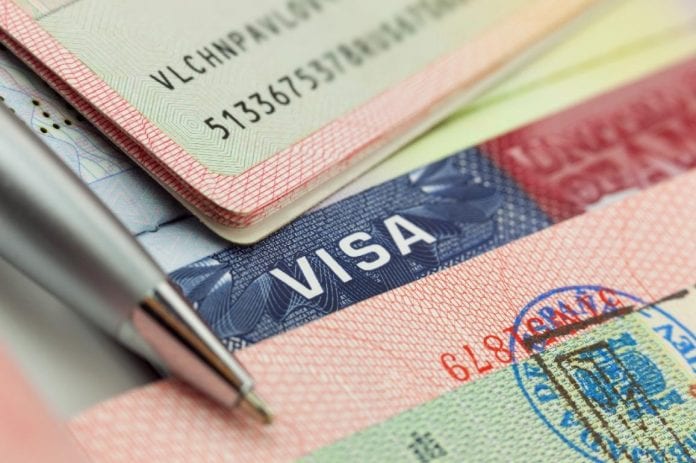
The U.S. Department of State is rolling back its pandemic-era visa interview waiver policy, requiring most nonimmigrant visa applicants to attend in-person interviews beginning September 2, 2025.

This change affects applicants renewing visas such as H (temporary workers), L (intra-company transferees), F and M (students and trainees), J (exchange visitors), and O-1 visas. Even children under 14 and adults over 79 will generally need to appear for an interview unless they meet limited exceptions.
Who Still Qualifies for Interview Waivers?
Only a small group remains eligible for waivers, including:

-
Diplomatic and international organization staff holding visas like A-1, A-2, G-1 through G-4, and NATO categories.
-
Certain applicants renewing B-1, B-2, B1/B2 visas, or Mexican Border Crossing Cards within 12 months of expiration, who apply in their country of nationality or residence and meet other specific criteria.
Even applicants eligible for waivers may still be called for interviews at the consular officer’s discretion.
Impact on Applicants and Employers
The rollback means the end of the widely used “Dropbox” process for most visa renewals. Applicants must now schedule and attend interviews in person, potentially leading to longer wait times, higher travel costs, and extended processing.
Employers sponsoring international employees on H, L, F, M, or J visas may face staffing challenges if visa renewals are delayed by interview backlogs. This could affect onboarding, international assignments, and workforce planning.
Programs relying on students or exchange visitors, including internships and research placements, could also experience disruptions.

What Applicants and Employers Should Do
-
Applicants: Check if you still qualify for a waiver under current rules and apply before September 2 if eligible. Monitor local U.S. embassy or consulate websites for appointment availability and guidelines.
-
Employers: Review upcoming travel and visa renewal plans, communicate changes with sponsored employees, update onboarding timelines to account for delays, and coordinate with immigration counsel for support.
This policy marks a significant shift back to pre-pandemic visa procedures, emphasizing in-person consular interviews to strengthen security and integrity.