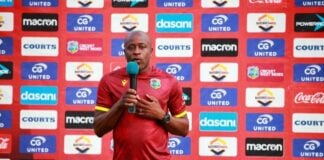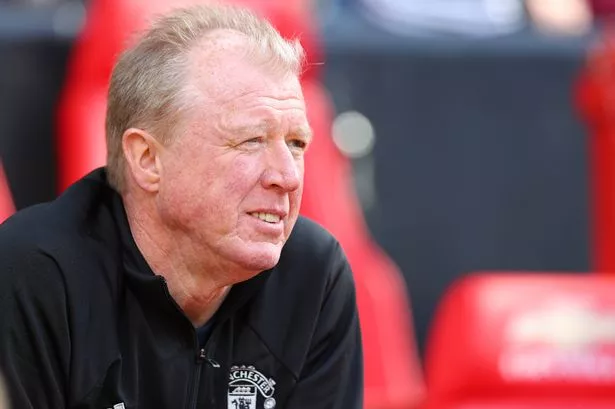
Even in defeat, there was pride—palpable, undeniable pride. As the final whistle blew at the Gtech Community Stadium in West London on Saturday, ending a dramatic 2-2 draw that gave way to a 5-4 penalty shootout heartbreak against Nigeria, Head Coach Steve McClaren stood unwavering, his gaze filled with resolve.
“It’s been a tough week,” McClaren admitted. “We started with 17 players. We got some reinforcements in, and I can’t believe how they’ve come together. That’s probably typically Jamaican—instantly befriending each other, instantly having that vibe and that energy.”
The Unity Cup, a four-team invitational featuring Nigeria, Ghana, Trinidad & Tobago, and Jamaica, was more than just a tournament. For McClaren, it was a litmus test of spirit, chemistry, and resilience. His Reggae Boyz passed with flying colors, despite falling agonizingly short in the final.

A Unity Cup campaign full of heart
Jamaica’s Unity Cup journey began with a pulsating 3-2 semi-final win over Trinidad & Tobago, setting the stage for a thrilling showdown with Nigeria, two-time champions and perennial African powerhouse.
In the final, it was the tenacity of young talents like Kaheim Dixon and Jon Russell—both converting from brilliant crosses by Renaldo Cephas—that kept Jamaica in the hunt. Twice they came from behind. Twice they responded with courage.
“The players fought to the end,” McClaren said. “We talk about fight, and that’s what they did. To lose by penalties was disappointing, but it was a milestone.”
That word—milestone—became the refrain of the week. For McClaren, this wasn’t merely about results; it was about growth, identity, and the intangible spirit that binds a team.
The power of vibes and veterans
Central to Jamaica’s spirited performances was the dynamic within the squad. While some key players were unavailable, McClaren credited the senior leaders for setting the tone and welcoming the influx of young talent.
“Credit to the senior players because we had a lot of youngsters coming into the squad,” he explained. “They looked after each other, and that’s what they’ve all done. I’m so proud of all the players.”

From the locker room to the pitch, a contagious energy defined the team’s week-long camp in England. It wasn’t just about training or tactics—it was about unity.
“I hoped for a camp in England when I took over the job just under nine months ago,” McClaren said. “And this week is something the players and staff will remember for a lifetime. Hope we can do it again soon.”
Fans, football, and the feeling of home
For Steve McClaren, the Unity Cup also delivered something he didn’t fully anticipate: the atmosphere.
“The experience was even way beyond what I thought it would be,” he said, beaming. “The fans have been fantastic and unbelievable. What an atmosphere! Typical Jamaica—lively, energetic, and smiles on the faces.”
It was football in its most communal and celebratory form. And though the trophy slipped through their fingers, the Reggae Boyz made their presence felt on and off the field.
Eyes on the prize: World Cup and Gold Cup await
With the Unity Cup behind them, the Reggae Boyz now face bigger challenges. World Cup Qualifiers loom—beginning with the British Virgin Islands on June 7 and Guatemala on June 10. Soon after, the CONCACAF Gold Cup kicks off on June 16, with Jamaica drawn into Group C.
McClaren is optimistic about what lies ahead, especially with the return of key players.
“If the players that we couldn’t get for the Unity Cup come in with the same spirit and same work rate, we’ll certainly get the results that we need to get,” he affirmed. “Now we’ve got bigger things. We’ve got World Cup Qualifiers, and we look forward to that.”
And with the fire lit in London, the coach believes this team is on the cusp of something special.