



In a proactive move, educators and administrators are encouraged to adopt restorative justice (RJ) practices as a conflict management and resolution tool in schools.
This initiative aims to address and prevent the issues leading to conflicts among students actively and efficiently.
A united front for conflict resolution
Principal Director for the Social Justice Division, Jamie-Ann Chevannes shared with JIS that the Justice Ministry, joining forces with the Ministry of Education and Youth, plays a pivotal role in this endeavor.

Together, they have embarked on introducing training programs in schools centered on restorative justice practices.
This strategic partnership arose in response to a noticeable uptick in school conflicts and a pressing need for effective de-escalation strategies.
A new approach to classroom harmony
The implementation of RJ practices offers a refreshing approach to fostering a harmonious atmosphere within the classroom setting.
Chevannes said that teachers should utilize check-in and check-out circles at the beginning and end of classes respectively, providing insights into the students’ emotional states and fostering a supportive learning environment.
The training is not confined to the classroom; community partners, including local churches, are invited to participate. Engaging various community segments ensures a comprehensive understanding and application of RJ practices, extending the benefits to the wider community.
Read more on Restorative Justice
- More than 5,600 Jamaicans empowered with restorative justice skills
- Jamaica’s Justice minister urges region to utilize restorative justice to deal with violent crime
- Jamaican government encouraging citizens to use restorative justice to settle disputes
Expanding access through training
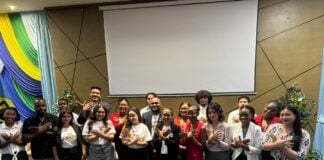
To facilitate broader access to restorative justice, an intensive training program for over 200 facilitators is underway.

Acting Director of the Restorative Justice Branch within the Social Justice Division, Saccsha Ebanks
Shared that the participant group is diverse, encompassing community stakeholders like Justices of the Peace, educators, and other individuals committed to promoting peace and harmony within the community.
Virtual learning for expanded reach
This training program, structured as an 11-module virtual course, began in August and is set to conclude in October.
The virtual format not only facilitates a broad and inclusive participant base but also ensures that the training is accessible to individuals overseas or those who cannot attend in person.
This hybrid approach guarantees no barrier to accessing vital restorative justice training and resources.
The latest news from Jamaica & The Caribbean
Read more articles about Jamaica from Caribbean National Weekly









 practices as a conflict management)