

CDB Supports Haiti’s Agricultural Bank with Strategic Plan to Boost Rural Finance and Food Security
Key Points(5)
- The initiative is designed to enhance BNDA’s governance, operational efficiency, and long-term strategy as the bank works toward becoming Haiti’s first universal bank by 2030.
- The Strategic Plan sets out a clear roadmap to improve service delivery for farmers, agro-processors, and micro, small, and medium-sized enterprises (MSMEs), advancing national efforts to boost agricultural productivity and financial inclusion.
- “CDB is proud to have partnered with BNDA on this transformative journey,” said Lisa Harding, Division Chief of the Bank’s Private Sector Division.
- “This plan is not just about strengthening an institution — it’s about empowering Haiti’s agricultural sector, improving food security, and creating inclusive economic opportunities for rural communities.
- The bank has also expanded its reach through regional service points and partnerships with other financial institutions to decentralize access to credit and strengthen the financial ecosystem for rural entrepreneurs.
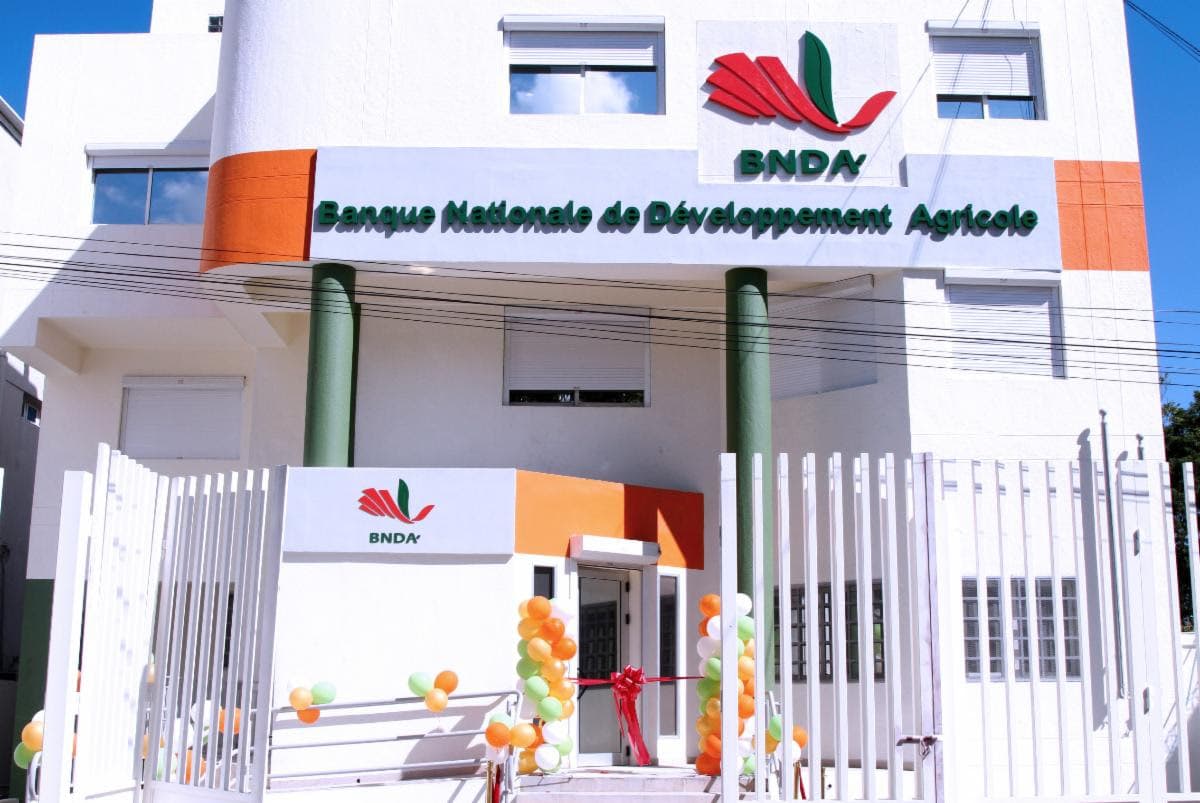
The Caribbean Development Bank (CDB), through its Caribbean Technological Consultancy Services (CTCS) Network, has provided a grant of USD 72,163 to Haiti’s Banque Nationale de Développement Agricole (BNDA) to complete its new five-year Strategic Plan — a key step in strengthening the institution’s capacity and expanding access to finance for agricultural stakeholders.
The initiative is designed to enhance BNDA’s governance, operational efficiency, and long-term strategy as the bank works toward becoming Haiti’s first universal bank by 2030. The Strategic Plan sets out a clear roadmap to improve service delivery for farmers, agro-processors, and micro, small, and medium-sized enterprises (MSMEs), advancing national efforts to boost agricultural productivity and financial inclusion.
“CDB is proud to have partnered with BNDA on this transformative journey,” said Lisa Harding, Division Chief of the Bank’s Private Sector Division. “This plan is not just about strengthening an institution — it’s about empowering Haiti’s agricultural sector, improving food security, and creating inclusive economic opportunities for rural communities. BNDA’s vision aligns with the Bank’s efforts to build resilience and promote private sector development, especially among MSMEs.”
Since its official launch in 2021, BNDA has disbursed more than USD 2.1 million in agricultural loans, including specialized financing for rice producers — a vital move toward enhancing national food security. The bank has also expanded its reach through regional service points and partnerships with other financial institutions to decentralize access to credit and strengthen the financial ecosystem for rural entrepreneurs.
Reflecting on the collaboration, Faude Joseph, President of the Board of BNDA Haiti, described the partnership with CDB as both “insightful and transformative.”
“Through their expertise, collaborative approach, and deep understanding of our institutional realities, we have crafted a roadmap that is ambitious, resilient, and aligned with our mission to promote agricultural development, expand financial inclusion, and become Haiti’s first universal bank by 2030,” Joseph said. “This partnership not only improves our governance but also reaffirms our shared commitment to sustainable growth and long-term national progress.”
Completed in September 2025 after nearly two years of collaboration, the Strategic Plan builds on a comprehensive institutional assessment of BNDA’s operations. It is expected to guide the bank’s adoption of innovative technologies, improved risk management systems, and expanded outreach to underserved groups — particularly women and youth in rural areas.
The project underscores the CDB’s ongoing commitment to inclusive and sustainable development across the Caribbean, with a focus on supporting member countries like Haiti in overcoming complex socio-economic challenges through stronger institutions and equitable access to finance.


