Home Blog Page 30

Alrica Daley shines in Miss Universe Jamaica Portland 2026

Twelve talented women are set to compete for the crown at the Miss Universe Jamaica Portland Grand Coronation on May 2, 2026, at Hotel Tim Bamboo in Port Antonio. Among them is 19-year-old Alrica Daley, representing Soldier Camp Restaurant, whose story of resilience and ambition is capturing attention even before the competition begins.

A young entrepreneur and aspiring beauty professional, Alrica is currently pursuing studies in cosmetology, blending her passion for creativity with her drive to build a future rooted in business and beauty. She describes herself as caring, ambitious, and driven, finding joy in life’s simple yet meaningful moments—whether it’s getting lost in a good book, soaking in the serenity of the beach, or cherishing time with family. These experiences have helped shape her grounded and compassionate outlook on life.

Alrica’s journey has not been without obstacles. Growing up in a verbally abusive environment tested her strength and resilience, but she used those challenges as motivation to rise above, emerging stronger, more confident, and self-aware. Guided by her belief that “the fact that you aren’t where you want to be should be enough motivation,” Alrica continues to pursue every opportunity for growth, personal development, and self-improvement.

Her ambitions extend beyond the pageant stage. With aspirations of becoming a physiotherapist, Alrica aims to care for others, both physically and emotionally, making a tangible impact on the lives of those around her. Her message to the Universe is simple yet powerful: “Be kind—it costs nothing, yet it has the power to create waves of change. Through empathy and compassion, we can build a more connected and caring world.”

The Miss Universe Jamaica Portland 2026 Grand Coronation promises an exciting showcase of talent, elegance, and empowerment, as each contestant brings her unique story to the spotlight. Alrica Daley’s blend of resilience, ambition, and heartfelt purpose makes her a standout contender.

Join the celebration on May 2, 2026, at Hotel Tim Bamboo, Port Antonio, and witness the next chapter in these young women’s journeys. Tickets are now available for purchase.

Surfside run-off election results to be released April 28 after court ruling

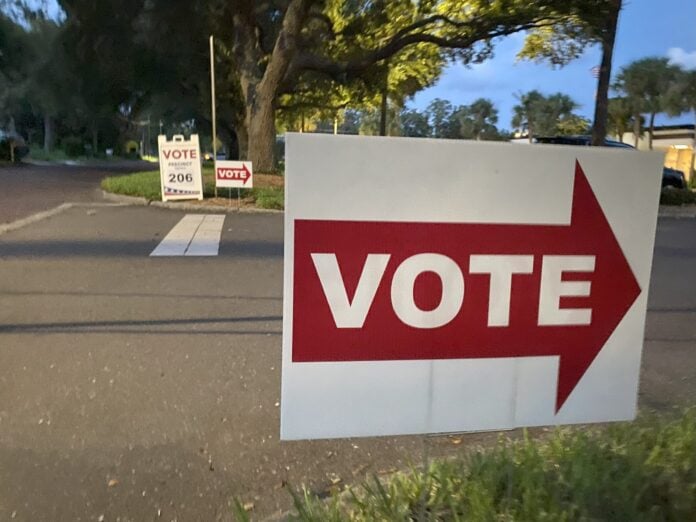
Voters in Surfside cast their ballots yesterday, Tuesday, April 7, in the town’s mayoral run-off election, but no results will be released until April 28, following a court order.

The ruling by Judge Lourdes Simon came after a lawsuit argued that the original April 8 election date would have conflicted with Passover, potentially disenfranchising the town’s Jewish residents. The decision created a three-week window for additional vote-by-mail ballots, allowing residents to request and submit them well beyond Election Day.

Eligible voters had the choice between former Mayor Shlomo Danzinger and Vice Mayor Tina Paul to serve as Surfside’s next mayor. Polls were open from 7 a.m. to 7 p.m. as scheduled.

Mail-in ballots will continue to be accepted until 7 p.m. on April 28, either by mail or in person at Elections Headquarters at 2700 NW 87 Avenue or the Stephen P. Clark Center in downtown Miami. Ballots can be requested until April 16.

Miami-Dade Supervisor of Elections, Alina Garcia, said she welcomed the court’s decision. “I am happy with this development and the opportunity to provide people of all faiths in Surfside the chance to fully participate in this election,” Garcia said.

The lawsuit was filed by Danzinger, along with Jewish organizations, rabbis, and voters, citing the First Amendment and Florida’s Religious Freedom Restoration Act, which protects the free exercise of religion. Surfside is home to over 5,700 residents, roughly 2,500 of whom are Jewish, with a significant portion identifying as Orthodox or Conservative.

The court-ordered delay ensures that voters affected by religious observances have ample opportunity to participate, while maintaining Election Day voting yesterday. All results will be officially posted after 7 p.m. on April 28.

Broward County eyes county-run fire service after 20+ years under BSO

BSO Fire Rescue

After more than two decades under the Broward Sheriff’s Office (BSO), Broward County is exploring the possibility of directly managing its own fire rescue service and may also study replacing BSO in airport and port policing roles.

Since 2003, BSO has operated the county’s fire departments—including the former Broward County Fire Rescue as well as the airport and port fire units—under the name Broward Sheriff Fire Rescue. Now, county commissioners are considering hiring a consulting firm to assess the feasibility of bringing fire and emergency medical services back under county management. A vote to approve the study was scheduled for Tuesday.

Commissioner Lamar Fisher, who sponsored the proposal, said the move could offer cost savings while ensuring public safety.

“It is time to really look at the detail of what it would look like to bring them back to Broward County,” Fisher said. “I think it is cost savings number one, but obviously public safety is number one to the board itself, and we want to make sure that we provide the best safety to our residents and our visitors here in Broward County.”

Fisher added that Sheriff Gregory Tony has received funding for pay raises, hiring, new resources, and equipment, prompting the county to explore more cost-effective ways to deliver services.

“By bringing [fire rescue] back, we have full control and full transparency to the constituents that we serve,” Fisher said.

Airport and Port Policing Also Under Review

The agenda item also calls for a study on the feasibility of establishing county-run police departments at Fort Lauderdale-Hollywood International Airport and Port Everglades, both currently policed by BSO. Fisher emphasized that any new agency would provide the “same coverage, the same police opportunities, the same comfort” as BSO.

Commissioners stressed that Tuesday’s vote would not immediately replace firefighting or policing services, but simply authorize a study of the potential transition.

A BSO spokesperson defended the agency’s record, stating:

“For more than 22 years, Broward Sheriff Fire Rescue has been a cornerstone of public safety in Broward County by saving lives, easing suffering, and protecting property. Through high-quality fire and emergency services, crews respond 24/7 to protect residents and visitors across Broward County when it matters the most.”

Miami-Dade County to receive $20.4 million to improve roadway safety

Miami-Dade County will receive $20.4 million through the federal Safe Streets for All (SS4A) Program to fund critical infrastructure projects aimed at reducing traffic crashes and saving lives.

The funding, secured through a grant agreement between the United States Department of Transportation (USDOT) and the County’s Department of Transportation and Public Works (DTPW), includes $16.2 million in federal funds and $4.2 million in local matching contributions over five years.

The investment will support the County’s Vision Zero initiative by implementing 27 infrastructure improvement projects, conducting five road safety audits, and expanding data-driven safety programs countywide.

“This funding represents a major step forward in our commitment to improving roadway safety across Miami-Dade County, and I am grateful to Secretary of Transportation Sean Duffy and the United States Department of Transportation for this investment,” said Miami-Dade County Mayor Daniella Levine Cava. “By leveraging federal and local resources, we are advancing our Vision Zero plan with projects that will reduce serious injuries, enhance mobility, and create safer streets for residents and visitors alike.”

Targeting High-Risk Areas

The SS4A Program focuses on high-risk locations identified in the County’s 2018 Vision Zero Framework Plan and the 2024 Vision Zero Action Plan, emphasizing corridors and communities with the highest rates of severe crashes and injuries.

As part of the initiative, the County will collaborate with the cities of Hialeah and Miami Beach, the University of Miami Miller School of Medicine KiDZ Neuroscience Center, and the Miami-Dade Transportation Planning Organization (TPO) to strengthen regional safety efforts.

“The Safe Streets for All Program allows us to take a comprehensive approach to transportation safety,” said DTPW Director and CEO Stacy L. Miller. “Through targeted investments in infrastructure and programs, we are building a transportation system prioritizing human life and a safer, more resilient transportation system for our community.”

Over the next five years, the SS4A Program is expected to play a key role in advancing Miami-Dade’s Vision Zero goals by reducing serious injuries and fatalities, while also improving accessibility and connectivity for all road users.

20 generators donated to schools most affected by Hurricane Melissa

Minister of State in the Ministry of Tourism, Hon. Tova Hamilton (third right, front row), poses with students from Mulgrave Primary School in St. Elizabeth, which is among the beneficiaries of 20 dual‑fuel 15,000‑watt portable generators donated for distribution to educational institutions most affected by Hurricane Melissa. The generators were handed over during a ceremony held on Tuesday (April 7) at the National Education Trust (NET) Building, Caenwood Centre, Kingston. The donation was made possible through a collaboration involving Jamaica Vacations Limited (JamVac) and the Mediterranean Shipping Company (MSC) Foundation, based in Geneva, Switzerland, with support from its local affiliate, MSC Jamaica Limited. Other participating stakeholders include (from left, back row) Senior Education Officer, Region Four, Ministry of Education, Skills, Youth and Information, Everette Riley; NET Executive Director, Latoya Harris-Ghartey; MSC Jamaica Limited Managing Director, Roger Hinds; JamVac Executive Director, Joy Roberts; Tourism Enhancement Fund (TEF) Executive Director, Dr. Carey Wallace; Assistant Chief Education Officer in the Education Ministry's Guidance and Counselling Unit, Kennecy Haynes-Davidson, and Mulgrave Primary School Principal, Ryan Stone.

Schools hardest hit by Hurricane Melissa on October 28, 2025, will receive a boost to restore essential services with the donation of 20 dual-fuel generators, courtesy of the National Education Trust (NET) in partnership with Jamaica Vacations Limited (JamVac) and the Mediterranean Shipping Company (MSC) Foundation.

The new 15,000-watt portable generators were officially handed over during a ceremony at the NET Building, Caenwood Centre, Kingston. The MSC Foundation, based in Geneva, Switzerland, made the donation with support from its local affiliate, MSC Jamaica Limited.

Speaking at the handover, Minister of State in the Ministry of Tourism, Hon. Tova Hamilton, highlighted the connection between tourism and social development.

“These generators represent the tangible link between tourism and social development. They ensure that when challenges arise, our schools can remain operational, our children can continue learning, and our communities can maintain stability,” she said.

Hamilton also noted that Jamaica’s cruise partners were among the first to extend support after the Category-Five storm, demonstrating the ongoing spirit of partnership in the country’s recovery efforts.

“Today’s donation is another example of that commitment… one that strengthens our education system, supports resilience, and uplifts communities that form the backbone of our tourism product,” she added.

Supporting Recovery and Resilience

NET Executive Director, Latoya Harris Ghartey, said more than 700 institutions, from infant to tertiary levels, were devastated by Hurricane Melissa. She explained that the generators will be distributed to schools in rural communities still without electricity, providing lighting and powering pumps to ensure reliable water supply for sanitation, food preparation, and other essential needs.

“This intervention will provide lasting benefits for both students and administrators,” Harris Ghartey said, expressing gratitude to JamVac and MSC.

Partners Reaffirm Commitment

JamVac Executive Director Joy Roberts and MSC Jamaica Managing Director Roger Hinds emphasized the importance of the intervention.

“Ensuring that these institutions have reliable access to electricity is essential to maintaining the resilience of the communities that are served. To the principals, teachers and students… please note that you are not alone,” Roberts said.

The distribution of the generators will be coordinated by NET to prioritize schools in greatest need, advancing recovery efforts and ensuring the continuity of education across Jamaica.

Latin America and the Caribbean growth slows in 2026, World Bank says

World Bank says global economy not growing fast enough to alleviate poverty

Economic growth in Latin America and the Caribbean (LAC) is projected to slow to 2.1 percent in 2026, down from 2.4 percent in 2025, according to the latest Latin America and the Caribbean Economic Update published by the World Bank. Growth is expected to recover modestly to 2.4 percent in 2027.

The report cites a challenging macroeconomic environment as the key factor behind the subdued outlook. High borrowing costs, weak external demand, and inflationary pressures linked to geopolitical uncertainty are dampening private investment and job creation across the region.

“Latin America and the Caribbean have the assets — and the reform capacity — to achieve far more,” said Susana Cordeiro Guerra, World Bank Vice President for Latin America and the Caribbean. “The central ambition should be clear: create quality jobs that power growth and lift productivity.”

Consumer Spending and Investment

Consumer spending continues to provide some support for growth, but investment remains weak. Firms are holding back amid a difficult external environment in which global interest rates are expected to remain high, growth in advanced economies and China is slowing, and trade policy uncertainty persists. Geopolitical tensions, including the conflict in the Middle East, have pushed energy prices higher and introduced additional inflationary risks, which could delay monetary easing.

Governments are also facing fiscal pressures. Public debt ratios, though stabilized, remain high by historical standards, and elevated interest payments limit spending on infrastructure and social investment — critical areas for long-term growth.

Unlocking Regional Strengths

Despite these challenges, the report highlights the region’s strategic advantages. LAC holds about half of the world’s lithium reserves, one-third of its copper, a relatively clean energy mix, and in several countries, a reform momentum that is gaining traction. The World Bank says harnessing these assets could boost productivity, create quality jobs, and support more inclusive growth.

“Restoring business confidence, unlocking private investment, and raising productivity are essential,” said William Maloney, World Bank Group Chief Economist for Latin America and the Caribbean.

Policy Recommendations

The report outlines four key recommendations for building the foundations needed to sustain growth:

  1. Closing skills gaps through education, technical training, and management development.
  2. Expanding access to finance and strengthening insolvency frameworks so firms can take risks and grow.
  3. Deepening trade integration to boost competitiveness and accelerate technology adoption.
  4. Building institutional capacity to design policies that can identify market failures, adjust course, and sustain results.

The World Bank emphasizes that industrial and productivity policies will only succeed if these foundational conditions are in place — skills, openness, and strong institutions — enabling firms to innovate, compete, and grow.

Country Highlights

The report also includes updated forecasts for individual countries:

  • Guyana is projected to grow 16.3 percent in 2026 and 23.5 percent in 2027.
  • Jamaica faces a contraction of 1.0 percent in 2026 before a rebound to 3.2 percent in 2027.
  • Mexico is expected to grow 1.3 percent in 2026 and 1.7 percent in 2027.
  • Brazil is forecast to expand 1.6 percent in 2026 and 1.8 percent in 2027.

The World Bank cautions that the outlook remains highly sensitive to global economic trends, commodity prices, and domestic policy decisions.

School food choices driving childhood obesity in Jamaica and the Caribbean, PAHO warns

The food children eat at school is shaping lifelong health habits, contributing to rising obesity rates and diet-related diseases in Jamaica and across the Caribbean, the Pan American Health Organization (PAHO) has warned.

PAHO officials highlighted that food environments in and around schools, including canteens and nearby vendors, strongly influence children’s diets. Ultra-processed snacks high in sugar, salt, and unhealthy fats are widely available, while nutritious options like fruits, vegetables, legumes, and whole grains remain limited.

“Children are constantly exposed to foods that crowd out healthier choices, shaping taste preferences and eating habits from a young age,” said a PAHO spokesperson. “This exposure increases the risk of obesity and non-communicable diseases (NCDs) later in life.”

Lunchroom Lines Reflect a Wider Problem

Fourteen-year-old Kayli, a student in Kingston, often skips home-packed meals, relying instead on what is available at school. On a recent lunch break, she chose a cinnamon bun with cheese, spicy tortilla chips, and a fruit-flavored soda — a meal typical of many students across Jamaica.

Her mother, Joanna, said it is difficult to encourage home-cooked meals due to a lack of school facilities for heating or storing food safely. “Even if I prepare meals for her, it’s not always practical or safe for school,” she explained.

PAHO notes that such structural limitations, combined with the constant marketing of ultra-processed products, make it challenging for children to establish healthy eating habits.

Childhood Obesity: A Growing Public Health Crisis

Childhood obesity is one of the most pressing public health challenges in the Caribbean. Globally, diet-related NCDs account for 74 percent of deaths, and in Jamaica, they remain the leading cause of mortality.

PAHO officials emphasize that improving school food environments is critical to reversing these trends. “Schools that provide appealing, nutritious foods make it easier for children, families, and staff to make healthier choices,” the organization said.

Policy Measures to Promote Healthy Eating

To tackle the issue, the Government of Jamaica has implemented a special consumption tax (SCT) on sugar-sweetened beverages. PAHO welcomes the measure and notes that global evidence shows taxing sugary drinks is a cost-effective way to reduce consumption and lower diet-related disease risk.

The organization also recommends:

  • Setting clear nutrition standards for school meals
  • Restricting the marketing of unhealthy products to children
  • Using pricing strategies to make nutritious foods more affordable
  • Implementing clear front-of-package warning labels (FOPWL) to help consumers identify products high in sugar, salt, and unhealthy fats

“Front-of-package labels serve as a simple, effective tool to guide healthier choices and reinforce other food policies,” PAHO said.

For families like Kayli’s, clearer labeling and stronger school food policies could make a significant difference. “If it’s hard for me to read and understand the labels, imagine how much harder it is for Kayli,” her mother said.

Without coordinated action from governments, schools, and public health organizations, PAHO warns that children will continue to face limited access to nutritious options, perpetuating unhealthy eating habits and increasing the risk of obesity and NCDs.

Opposition MP Marvin Gonzales calls for end to State of Emergency in Trinidad and Tobago

Marvin Gonzales trinidad

Opposition legislator Marvin Gonzales is calling on the Trinidad and Tobago Government to end the current State of Emergency (SoE), arguing that the measure has failed to address rising crime and has instead left citizens living in fear.

Gonzales, a member of the opposition People’s National Movement and Member of Parliament for Arouca/Lopinot, said he was speaking not only in his capacity as an MP but on behalf of citizens across the country facing growing insecurity.

“Today I speak not just as a member of Parliament, but for all citizens across Trinidad and Tobago who are living in fear,” he said.

The former national security minister described a worsening situation in communities, pointing to an increase in murders and the emotional toll on families.

“Every day murders are rising, families are grieving, communities are under pressure, citizens are watching over their shoulders and wondering if they are next, yet your Government is holding on to a State of Emergency that clearly is not working,” Gonzales said.

According to Gonzales, the measure has granted the Government sweeping powers without delivering the intended results.

“This State of Emergency gives your administration more power than ZOSO ever proposed. More detention powers, more restrictions and control. And still crime is out of control,” he said.

He maintained that despite these expanded powers, fear continues to spread and communities remain vulnerable.

“Murders rising, fear spreading, communities remain vulnerable. So what exactly is happening here, Prime Minister?” he asked.

Gonzales went on to question the Government’s approach, arguing that it reflects an absence of effective leadership. He stressed that emergency powers were never intended to replace structured crime-fighting strategies.

“Emergency powers were never meant to replace strategy, never meant to replace policing and security, intelligence and community work. But that is exactly what this has become,” Gonzales said.

Calling for immediate action, Gonzales urged the Government to end what he described as a “state of emergency charade” and to implement a comprehensive plan to tackle crime.

“So today I say clearly, end this state of emergency charade. Bring a real crime plan. Give people real safety and stop the performance,” he said.

However, data released two weeks ago by Trinidad and Tobago Police Service Public Information Officer Owie Russell indicated that during the first 21 days of the current SoE, there was a significant decline in almost every category of crime compared with the same period during the previous measure.

The latest State of Emergency was declared on March 3 following a spike in murders and other violent crimes.

Dominica welcomes Venezuelan Navy training vessel to strengthen bilateral ties

The Government of Dominica on Tuesday said the arrival of the Venezuelan Navy training vessel, the AB Simón Bolívar (BE‑11), is aimed at strengthening bilateral relations between Roseau and Caracas.

A total of 216 people are aboard the ship, including 120 cadets from the Bolivarian Navy and other academies of the Bolivarian Military University. The 36th training cruise abroad mission, titled “Seas of Unity for the Dream of Bolívar 2026,” is expected to last approximately three months and will include visits to five Caribbean countries.

Foreign Affairs Minister Dr. Vince Henderson said the visit represents the deepening of longstanding ties between the two nations.

“Your presence here represents something greater. The relationship between the Commonwealth of Dominica and the Bolivarian Republic of Venezuela has, over the years, been characterised by solidarity, mutual respect and cooperation,” Henderson said during a welcoming and plaque exchange ceremony.

“Our engagement has been strengthened through initiatives such as energy cooperation under the Petro-Caribbean framework as well as broader regional collaboration within CARICOM and other multilateral fora. Our partnership reflects a shared commitment to sustainable development, resilience, and the advancement of our people.”

Henderson said Dominica and Venezuela stand as bilateral partners “united by common principles” and that the visit reinforces those shared ideals.

“It is through such engagements that we continue to build bridges of understanding, deepen diplomatic ties, and foster people-to-people connections that endure beyond official exchanges,” he added.

Minister for Youth with responsibility for the Cadet Corps, Greta Roberts, described the Venezuelan officers as ambassadors of their country.

“To serve your country in this way, to commit yourselves to discipline, leadership, and learning, and to travel across the seas in the spirit of training and exchange is truly admirable.

“We understand that this voyage is part of a broader training mission that sharpens your skills as future naval officers and allows you to engage with the cultures, histories, and people of the Caribbean and beyond.

“Indeed, you can be described as ambassadors carrying messages of friendship, cooperation, and peace. And this is why your presence here in Dominica is so meaningful,” she said.

Roberts added that beyond its natural beauty, Dominica remains committed to strengthening relationships across Latin America and the Caribbean, including Venezuela.

High Court orders soca artist Patrice Roberts to pay former management company over US$30,000

Patrice Roberts

A High Court judge in Trinidad and Tobago has ordered soca artist Patrice Roberts to pay her former Canada-based management company more than US$30,000 for services provided while briefly managing her career.

Justice Robin Mohammed ruled that Soca Bookings Incorporated was entitled to compensation for services rendered to the 40-year-old artist between 2015 and 2017, despite shortcomings in its contractual claim.

The judge found that the company was entitled to US$35,472, representing reasonable compensation for management services provided and cash advances made on Roberts’ behalf to help further her career, along with interest.

However, the court also determined that the Ontario-based company owed Roberts US$10,367.88, representing proceeds from digital sales of her music collected while it managed her, plus interest.

A separate claim for US$11,600 linked to a music video shoot was dismissed after the court found insufficient evidence that the expenditure had been incurred.

The dispute arose from an oral management agreement reached in February 2015. Under the arrangement, the company provided what it described as full artiste management services, including bookings, branding, recording arrangements, and international promotion.

While both parties agreed that a contract existed, the High Court found that key terms were never clearly settled, particularly whether management fees were immediately payable or only after the venture became profitable.

Justice Mohammed accepted Roberts’ position that fees were to be deferred until profitability was achieved, something the company failed to prove.

“The management fees were only payable once the venture became profitable and the Claimant has not established…that that threshold was ever reached,” Justice Mohammed ruled, noting that the soca artist “retained all financial benefits… and in those circumstances cannot in equity be permitted to benefit from the Claimant’s work without compensating it”.

Both parties were also awarded pre-judgment interest and legal costs. The judge indicated that the sums may be set off, which would result in Roberts paying a reduced balance of US$25,104.12, along with TT$26,983.71 in costs.

In his ruling, Justice Mohammed also warned about the risks of informal agreements in the entertainment industry, noting that the dispute could likely have been avoided if the parties had formalised their arrangement in writing.

Antigua Prime Minister calls general election for April 30

Antigua and Barbuda to host investment conference in March 2025
Prime Minister Gaston Browne

Antigua and Barbuda Prime Minister Gaston Browne Tuesday night announced that general elections in Antigua and Barbuda will be held on April 30, urging supporters to deliver a decisive victory for the ruling Antigua and Barbuda Labour Party (ABLP) in all 17 constituencies.

Browne made the announcement during a political rally, confirming that Nomination Day has been set for April 13.

“But one final thing. One final announcement. So our distinguished Governor General, Sir Rodney Williams, today issued the writ of elections. And Nomination Day will be on Monday, the 13th of April. That’s Monday, the 13th of April. Are you ready for the big date? Are you ready? And polling day will be on April 30th, 2026,” Browne said.

He also told supporters that a public holiday would be observed following what he predicted would be a victory for his party.

“And when we would have defeated them on the 30th, the following day will be a public holiday. We shall celebrate Labour Day in grand style,” Browne told supporters at the rally.

Browne further urged party supporters to unite behind the ABLP ahead of the polls.

“This is your renaissance. Let us stand together. Let us move forward together. Let us win together. Say with me a last time, labour, labour, labour, labour. May God continue to bless you. Much love and blessings,” Browne said.

The election is expected to be a straight contest between the ruling Antigua and Barbuda Labour Party (ABLP) and the main opposition United Progressive Party (UPP).

The Democratic National Alliance (DNA) has already announced that it will not field candidates in the election.

In the last general election, held on January 18, 2023, the ABLP won nine of the 17 seats, while the remaining seats went to the UPP and a lone independent candidate.

Young Antiguan gospel singer Enoch Thomas declares ‘It’s My Turn’ with inspiring debut album

Enoch Thomas

At just 12 years old, Antiguian gospel singer Enoch Thomas is already carving out a space for himself in the Caribbean’s faith-based music landscape. With a voice that carries both conviction and clarity, the young artist is quickly gaining recognition for his ability to inspire through song — well beyond his years.

Now, he is preparing to officially introduce his debut album, “It’s My Turn,” a project rooted in purpose and aimed at encouraging young people across the region to boldly embrace their faith and identity.

Thomas first captured attention in Jamaica in November 2024 with his collaboration alongside gospel veteran Carlene Davis. Their reggae-infused rendition of the classic hymn “Oh Holy Night” introduced his talent to a wider Caribbean audience, earning praise for its emotional depth and vocal maturity.

Building on that momentum, the young singer continues to elevate his profile through collaborations. He has already worked with reggae luminary Luciano and is set to feature alongside Capleton on the upcoming single “Protect Our Children.” The track, expected in May, is part of a cross-generational effort aligned with Child Month initiatives, reinforcing messages of protection, empowerment, and guidance for youth.

At the heart of his new album is the lead single “Testify,” a song that reflects Thomas’s commitment to using music as a ministry. The project as a whole is influenced by his upbringing in the church, where he has been actively involved from a young age. He currently serves on the worship team at Jennings Wesleyan Holiness Church in Antigua, a foundation that continues to shape both his sound and message.

Despite his youth, Thomas has already cultivated a growing following within the regional gospel community. With “It’s My Turn,” he hopes to extend that reach even further, delivering a message that resonates with listeners of all ages, especially young people navigating their own journeys of faith.

“This music is about encouraging people, especially young people, to stand strong in their faith and remember that their voice matters despite their age,” Thomas shared.

As part of the album rollout, Thomas is currently in Jamaica for a mini church performance tour across Kingston and Ocho Rios, giving audiences an intimate preview of the project. The tour will culminate in a special album presentation on April 7.

“It’s My Turn” will be officially released on all digital platforms on April 10.

Alkaline takes ‘New Rules’ to Miami’s Kaseya Center

alkaline

Alkaline is set to bring his globally recognized New Rules brand to South Florida at the Kaseya Center on May 22.

The event, staged in partnership with promoter CJ Milan and her Reggae Fest brand, marks the deejay’s first-ever performance inside the 19,600-capacity venue—home to the Miami Heat.

The announcement comes on the heels of a sold-out show at Barclays Center last month, making him the youngest dancehall artist to headline and sell out the iconic arena, positioning him as one of the genre’s most bankable global acts. The performance sparked widespread social media buzz, with fans and industry observers alike noting the scale and impact of the moment.

Riding that wave, the Vendetta deejay has continued to dominate musically with his third studio album, NPT. The 16-track project debuted at number 10 on the Billboard Reggae Albums chart, while simultaneously reaching the top spot on iTunes and climbing to number four on the platform’s all-genre chart.

In Jamaica, the album has made an equally strong impression. Several tracks have secured positions on the Apple Music Jamaica charts, with standout single “Gyal Good” currently holding the number one spot on both the Apple Music chart and its Top 25 playlist.

From his breakout debut New Level Unlocked to the evolution of his signature New Rules concert series, Alkaline has steadily built a brand that extends beyond Jamaica. The franchise has staged successful events across the United States, the United Kingdom, Canada, and the Caribbean, returning to Jamaica last year after a five-year hiatus.

Now, with Miami in his sights, the collaboration with CJ Milan—whose Reggae Fest platform has consistently delivered high-profile, sold-out events—positions New Rules for yet another standout staging.

As anticipation builds for May 22, all eyes are on Alkaline to once again deliver —this time in one of Miami’s premier entertainment arenas.


Opinion: STOP Murdering Our Women!

domestic abuse

South Florida communities, particularly the Caribbean-American community, were shocked by news of the murder of Nancy Metayer Bowen, Haitian-American vice mayor of the City of Coral Springs, allegedly killed by her Jamaican-American husband.

Incidents of men killing their women have been increasing in the U.S. and other countries in recent years. In the U.S., 34% of all female murder victims are killed by a current or former partner. Women are five times more likely to be killed by a male partner than men.

Men killing female partners — intimate partner homicide — is the most extreme form of domestic violence, driven by a combination of personal, social, and structural factors. It is rarely one single cause.

Many of these killings happen when men feel they are losing control; for example, when their partner tries to leave, becomes independent, or is suspected of infidelity. The mindset can easily shift from “I love you” to “I own you,” which is dangerous.

In most cases, homicide isn’t the first incident of abuse. Often, men who harm their female partners have a prior history of physical abuse, emotional manipulation, making threats, and stalking. The killing of the woman is the final escalation of a violent trend, not a sudden act.

In some societies, men are socialized to suppress emotions, equate masculinity with dominance, and view rejection by women as humiliation. This can make conflict resolution unhealthy and sometimes violent.

Untreated issues like depression, trauma, or personality disorders can contribute, especially when combined with stress, substance abuse, or relationship breakdowns.

When firearms or other lethal weapons are easily available, violence becomes more deadly, even if the conflict itself isn’t new.

Threats to women’s lives escalate when there are weak intervention systems. Warning signs are often missed or not acted upon. In these situations, judicial restraining orders are not enforced, victims aren’t taken seriously, and there is limited access to external support.

It is important for friends, family, and communities to take warning signs of domestic abuse more seriously. Outsiders should pay closer attention to domestic threats such as escalating jealousy and controlling behavior. These are high-risk indicators, not just “relationship problems.”

Once a pattern of unrestrained domestic abuse is noticed, women should be urged to seek support systems. Ironically, leaving is the most dangerous time for abused women. This escalates the need for discreet shelters and safe housing, more confidential hotlines, and increased financial and legal assistance to help women leave safely.

There is also an urgent need for more accessible programs for men who pose risks to their female partners. These programs include anger management and behavioral therapy, counseling for jealousy and control issues, and substance abuse treatment.

Incidents of fatal domestic abuse aren’t just about anger or losing control. They are often about power, entitlement, fear of abandonment, combined with opportunity and lack of intervention.

There are various high-risk warning signs that unfortunately lead to homicide. These aren’t just “red flags” but danger indicators, including threats to kill the woman, harm children in the relationship, or harm themselves. These threats are among the strongest predictors of lethal violence. They take on more significance if the man owns a gun and threatens to use it during domestic arguments.

Homicide risk escalates when abuse becomes more frequent or severe, when men monitor their partner’s cellphone, movements, and finances, constantly accuse their partner of cheating, and frequently use ownership language like “you belong to me.”

Intervention and closer protection for women should be intensified if they plan to leave, actually leave, or file for divorce. Women are often stalked by former partners after leaving. Intervention is crucial if men are following women, showing up uninvited wherever they are, or making persistent phone calls and sending repeated text messages. These are danger signs.

Abused women, their families, and friends should also be alert to unstable behavior by men, including extreme mood swings, frequent rage episodes, and increased abuse of alcohol or drugs. The risk worsens when men suddenly adopt a defeatist mindset, frequently expressing “I can’t take it anymore” or “I have nothing to lose,” particularly if they face financial challenges, job loss, or a major life crisis.

Many women place themselves directly in the path of potential homicide by believing their partners “will change.” This usually doesn’t happen. When women experience increasing abuse, they should take steps to protect themselves. These include preparing an exit strategy, keeping a hidden emergency-getaway bag, having important documents, cash, and medication ready, developing code words to contact outside help, documenting injuries as evidence, making prior contact with domestic violence support services, and, if practical, seeking a restraining order and filing police reports.

Perhaps the best way to curb domestic murders is for men to recognize their violent tendencies and take steps to correct them. They should seek professional help if they experience frequent, intense jealousy, obsession, and insecurity; feel disrespected easily; feel they cannot live without their partner; become angry if they are not in control; or feel urges to monitor or stalk their partner. These aren’t normal relationship frustrations — they are potentially dangerous.

Prevention of domestic murders isn’t just the victim’s responsibility. It requires intervention, responsive systems, and men recognizing danger in themselves early.

Trinidad Calls for CARICOM Meeting Over Reappointment of Secretary-General

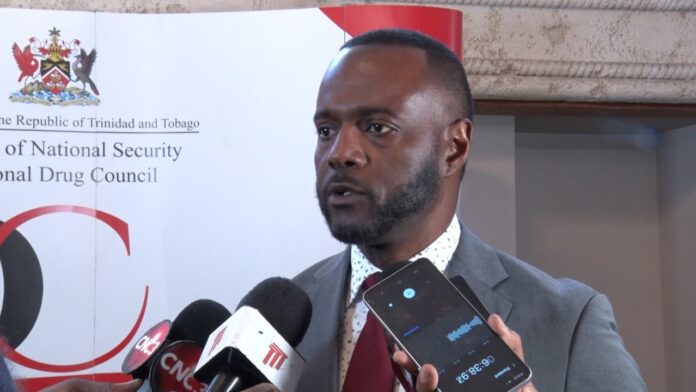
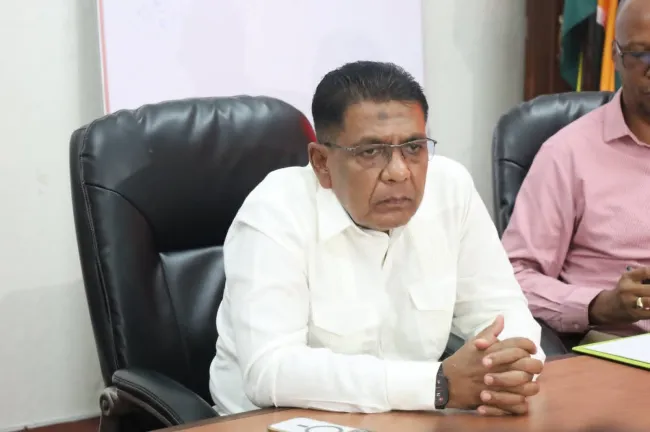
Trinidad Foreign and Caricom Affairs Minister Sean Sobers
Foreign and Caricom Affairs Minister Sean Sobers

Trinidad and Tobago is calling for a meeting of the Caribbean Community (CARICOM) to address the reappointment of Secretary-General Dr. Carla Barnett, insisting that Port of Spain was “deliberately uninvited” to the meeting where the agreement was reached in St. Kitts and Nevis in February.

CARICOM and Foreign Affairs Minister Sean Sobers, speaking on the CNC3 Television Newscast on Tuesday evening, said Port of Spain would seek a meeting of CARICOM to challenge the reappointment, adding that fresh elections could also be placed on the table.

Trinidad and Tobago has said that three letters sent to relevant personnel on the issue have gone unanswered, with Sobers saying “no acknowledgement and no response is very, very troubling.”

Sobers said the situation is especially concerning given Trinidad and Tobago’s annual contribution of more than TT$120 million (One TT dollar = US$0.16 cents) to the regional bloc.

He told viewers that Trinidad and Tobago’s absence from the leaders’ retreat where the voting took place was “no accidental oversight,” noting that the prime ministers of The Bahamas and Antigua and Barbuda had also left the CARICOM summit ahead of its closure.

He said the leaders of the two countries would have, like Trinidad and Tobago, appointed someone to lead their delegations.

“However…none of us were invited to attend. It doesn’t matter. We were told that we were not able to attend, which is a breach of the treaty,” Sobers said, referencing Article 11.2 of the Revised Treaty of Chaguaramas, which states that any head of government may designate a minister or other person to represent him or her at any meeting of the conference.

Article 27 states that the representative effectively exercises the member state’s vote, and Sobers said criticisms that Prime Minister Kamla Persad‑Bissessar should have remained until the end of the four-day conference are moot, since he was head of the delegation and therefore should have been invited.

Persad-Bissessar has already condemned the “surreptitious and odious process” used in the reappointment of Barnett, warning it could have long-term effects for the people of Trinidad and Tobago.

In a statement posted on her Facebook page, Persad-Bissessar said she was again calling on the 15-member regional integration grouping “for transparency on the surreptitious and odious process used to reappoint” the Belizean-born economist for another five-year term.

“Trinidad and Tobago remains committed to CARICOM, but until this matter is transparently resolved, the organization and its secretariat should absolutely expect no quarter from my Government,” she said.

Sobers told viewers that this week Trinidad and Tobago will call for a meeting — potentially a virtual one — of the Community Council, which comprises ministers responsible for CARICOM affairs and is the second highest organ of the Community, to elevate the matter to the level of heads of government and re-examine the election of the Secretary-General.

He noted that an emergency meeting of heads of government can be called at any time.

Late last month, CARICOM chairman and St Kitts and Nevis Prime Minister Dr. Terrance Drew said Barnett had attained the “required majority” from regional leaders for her reappointment at last month’s CARICOM summit held in Basseterre.

Persad-Bissessar, who left the Basseterre summit prior to the retreat of regional leaders on Nevis, said that on March 25 Sobers wrote to Drew formally placing on record Trinidad and Tobago’s objection to the reappointment.

“Our concern is straightforward: the proposed re-appointment was not included on the provisional agenda for the Fiftieth Regular Meeting of the Conference of Heads of Government in St. Kitts and Nevis, was not considered during plenary, and was reportedly addressed only during the Heads of Government Retreat…from which Trinidad and Tobago and other Member States were excluded through their authorised representatives.

“This raises serious concerns to the use of improper procedures to circumvent the process and facilitate Barnett’s reappointment,” Persad-Bissessar said, adding that Trinidad and Tobago maintains the reappointment was not undertaken in accordance with Article 24 of the Revised Treaty of Chaguaramas, which requires formal consideration and appointment by the Conference.

She said further letters dated March 31, 2026, were sent to Drew and directly to the Secretary-General seeking clarification on the process followed, including details on agendas, communications, and any draft decisions circulated after the retreat.

Persad-Bissessar said that on March 31, 2026, the Permanent Secretary at the Ministry of Foreign and CARICOM Affairs also wrote to Janice Miller, Chef-de-Cabinet in the Office of the Secretary-General, formally requesting clarification and documentation regarding the reappointment.

“The letter noted that previous re-appointments, such as in 2016, adhered to proper procedures, with decisions recorded and reflecting the views of all Heads of Government. The Permanent Secretary emphasized that the current process appears not to have conformed to CARICOM’s Rules of Procedure.

“To date, no response has been received. The people of Trinidad and Tobago who finance 22 per cent of CARICOM’s budget deserve transparency, accountability, and faithful adherence to agreed rules,” Persad-Bissessar added.

Barnett became the eighth CARICOM Secretary-General on August 15, 2021, following what was described as a unanimous appointment by regional leaders.

Bermuda updates English language requirements for work permit holders

work permits

The Department of Immigration (Bermuda) has announced further updates to English language proficiency requirements for work permit holders whose first language is not English and who do not hold a degree from an English-instruction university or college.

A spokesperson said the requirement for work permit holders to demonstrate English proficiency is outlined in Section 1.8 of the 2025 Work Permit Policy, which identifies standardized testing as the measure of English language proficiency.

Following a review of available assessments, the Department confirmed that only the following tests and minimum total scores will be accepted with work permit applications:

  • International English Language Testing System (IELTS) – Total Minimum Test Score: 4
  • Test of English as a Foreign Language iBT (TOEFL iBT) – Total Minimum Test Score: 42
  • Duolingo English Test (DET) – Total Minimum Test Score: 75
  • Test of English for International Communication (TOEIC L&R) – Total Minimum Test Score: 550
  • Pearson Test of English Academic (PTE Academic) – Total Minimum Test Score: 43

“Employers may submit an appeal where the applicant’s speaking score exceeds the total minimum score.

“Since the introduction of the 2025 Work Permit Policy on November 1, 2025, and subsequent clarification issued in mid-November, the Department has continued to receive applications that do not meet the stated requirements.

“The Department emphasises that, irrespective of job category or role, all work permit holders must meet the minimum English language standards. Applicants may choose which approved test to take, but testing is mandatory. Employers are reminded not to submit applications without valid test results that meet the required thresholds.”

Jason Hayward, Bermuda’s Minister of Economy and Labour, stated, “Bermuda is an English-speaking country, and it is essential that all work permit holders can communicate effectively. The introduction of mandatory testing addresses longstanding non-compliance with previous policy requirements.”

The spokesperson added that adherence to the requirements will help avoid delays in processing or the refusal of work permit applications.

“Further amendments to the Work Permit Policy are expected to be announced by May 1, 2026.”

UN: New wave of displacement in Haiti after deadly Artibonite attacks

Haiti
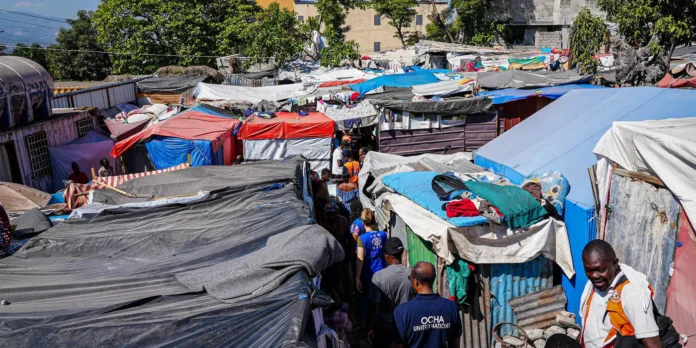
Displacement site in Port-au-Prince, Haiti. Scores have taken refuge in makeshift shelters after fleeing violence. Photo: OCHA/Herold Joseph

The United Nations (UN) on Tuesday reported that recent violence in Haiti’s Artibonite department has triggered a new wave of displacement in the French-speaking Caribbean Community (Caricom) country.

Late last month, criminal gangs in Jean-Denis, in the Artibonite region, carried out a series of attacks that left at least 16 people dead and several others injured.

The Gran Grif gang, one of Haiti’s most feared criminal organisations, was reportedly behind the deadly assaults, forcing more than 6,000 people to flee the area.

Both the United States and Canada condemned the attacks.

UN spokesman Stéphane Dujarric told the daily news briefing that, based on reports from humanitarian colleagues in Port-au-Prince, several people have been displaced as a result of the violence.

Dujarric said that according to the latest estimates from the International Organization for Migration (IOM), more than 13,000 people have been displaced in the impacted areas.

“Most of them, four out of five, have sought shelter with host families, while the rest have settled in 16 displacement sites.

“Together with authorities and our partners, UN Office for the Coordination of Humanitarian Affairs (OCHA) is supporting people in need, but access constraints and limited resources continue to hamper the humanitarian response,” he added.

Gang violence has ravaged Haiti since the assassination of President Jovenel Moïse on July 7, 2021, contributing to worsening humanitarian conditions and growing displacement across the country.

Caribbean employers urged to invest in workforce development through online learning

miami connected

As Caribbean workers face growing challenges in accessing higher education overseas, business leaders say online learning is emerging as a practical and scalable solution that benefits both employees and the wider economy.

Martin Cave, executive director of the Antigua and Barbuda Chamber of Commerce, is urging employers across the region to support staff in taking advantage of flexible, online education opportunities that allow them to upskill without leaving the workforce.

Cave noted that while institutions such as the University of the West Indies (UWI) provide valuable programmes, attending classes in person can be difficult for many workers balancing professional responsibilities, financial constraints, and family commitments.

For others, studying abroad presents additional barriers, including high tuition costs, relocation challenges, and time away from employment.

“These realities make it harder for many Caribbean people to access higher education through traditional pathways,” Cave said.

He pointed to the growing role of established online institutions, including U.S.-based DeVry University, which has partnered with the Chamber to expand access to reduced-cost degree and certificate programmes for private-sector employees and nationals.

According to Cave, online learning removes many of the barriers associated with overseas study by enabling individuals to continue working while advancing their education.

“Virtual learning allows employees to study from home and integrate coursework into their daily schedules,” he said. “With flexible structures and career-focused programmes, it becomes much more feasible to balance work, education, and personal responsibilities.”

Cave emphasized that employers who invest in employee development stand to gain significantly, as a more skilled workforce drives productivity, operational efficiency, and long-term competitiveness.

“Employees who pursue higher education bring enhanced capabilities to their roles. That translates into improved performance, reduced inefficiencies, and stronger business outcomes,” he explained.

He added that the benefits extend beyond individual organizations, contributing to broader national development.

“At a macro level, stronger businesses lead to increased productivity and profitability, which supports GDP growth and economic resilience,” Cave said. “This creates a positive cycle of job creation, investment, and national progress.”

Cave is encouraging businesses across Antigua and Barbuda and the wider Caribbean to view online education not just as an option, but as a strategic investment in their workforce and future growth.

“I don’t see any downside to someone improving themselves,” he said. “It’s a win for employees, employers, and the country as a whole.”

Sprint queen Shanoya Douglas delivers historic statement as Jamaica extends CARIFTA reign to 40 years

Shanoya Douglas

On a final day defined by brilliance, Shanoya Douglas delivered a performance for the ages, one that not only rewrote the record books but firmly etched her name into CARIFTA history.

Inside the Kirani James Athletic Stadium, the Jamaican sprint sensation produced a breathtaking 22.11 seconds to shatter the longstanding Girls’ Under-20 200m record of 22.77 seconds, previously held by Bahamian great Shaunae Miller-Uibo since 2013. It was more than a victory, it was a statement.

Exploding from the blocks with intent, Douglas powered through the curve with authority and separated decisively down the straight to complete a commanding win. Teammate Natrece East secured silver in 23.39 seconds, while Haiti’s Breana Barnett took bronze in 23.68 seconds.

The time was historic on multiple fronts: a world lead, a world Under-20 lead, a Jamaican junior record, and joint third-fastest ever at the level, placing Douglas alongside American great Allyson Felix.

“I came into the race very determined, as I wanted to get out of the blocks as fast as possible and execute as best as I could, and I did that,” Douglas said. “This was my last Carifta and I really wanted the record, to leave something to remind myself that I was here.”

That emphatic declaration, “I was here”, became the defining theme of the championships.

Fittingly, the 18-year-old was crowned the Austin Sealy Award winner as the most outstanding athlete of the CARIFTA Games, becoming the second consecutive Jamaican to claim the honor and the 19th overall.

Jamaica’s unbroken reign: 40 straight titles

While Douglas provided the defining moment, Jamaica once again underscored its regional supremacy.

The island nation captured its 40th consecutive CARIFTA title, finishing with an imposing 71 medals, 28 gold, 27 silver, and 16 bronze. Entering the final day with 43 medals, the team surged with an additional 28 to close out another dominant campaign.

Trinidad and Tobago finished a distant second with 35 medals (9 gold, 11 silver and 15 bronze), followed by The Bahamas with 30 medals (8 gold, 12 silver and 10 bronze), Barbados comes with 17 (6 gold, 3 silver and 8 bronze), and Guyana with 6 (4 gold, 1 silver and 1 bronze).

Jamaica’s strength was particularly evident in the relays, where they claimed three of the four 4x400m titles, Girls’ Under-17, Girls’ Under-20, and Boys’ Under-17, while the Boys’ Under-20 team settled for silver behind a record-breaking Barbados squad.

Sprint redemption and rising stars

The boys’ 200m delivered one of the day’s most compelling storylines, as Sanjaye Seymour rebounded from his 100m disqualification to seize gold in 20.63 seconds. He surged past Bermuda’s Miles Outerbridge (20.67secs) in the closing meters, with The Bahamas’ Eagan Neely third in 20.73 seconds.

In the Under-17 division, Jamaica’s Mario Ross secured silver in 21.00 seconds behind Bahamian Emille Higgins (20.94secs), while Zion Bertrand added bronze in 21.54 seconds.

Jamaica’s sprint hurdlers delivered a clean sweep across all four finals, underlining technical excellence and depth.

Tashana Godfrey led the charge in the Girls’ Under-17 100m hurdles with a personal-best 13.27 seconds, ahead of compatriot Macaila Gordon (13.39secs).

Defending champion Tiana Marshall retained her Under-20 crown in 13.43 seconds, holding off Trinidad and Tobago’s Jenna-Marie Thomas (13.93secs).

On the boys’ side, Mark Daniel Allen produced a record-breaking 13.25seconds in the Under-17 110m hurdles, eclipsing the previous mark of 13.49 seconds. Teammate Brandon Barrett also dipped under the old record with 13.47 seconds for the silver medal. Shawne Ferguson of The Bahamas claimed bronze with 14.30 seconds.

Robert Miller completed the sweep in the Under-20 final, winning in a wind-aided 13.43 seconds, with Jacario Wilson second and Jamaica’s Romario Jibbison third.

Middle-distance grit and podium finishes

Jamaica added valuable medals in the 800m events.

Markland Williams secured silver in the Boys’ Under-17 race in 1:53.60 minutes, narrowly trailing St. Maarten’s Nahjah Wyatt.

Joel Morgan, fresh off his 1500m triumph, claimed bronze in the Under-20 final in 1:51.72 minutes, while Dahlilah Fairweather also earned bronze in the Girls’ Under-20 event in 2:11.15 minutes.

In the field, Able Mills delivered a standout performance, capturing her second gold with a personal-best 53.85m in the Girls’ Under-20 discus. Teammate Marla Kay Lampart added silver with 48.96m.

Zavien Bernard soared to gold in the Under-20 high jump with 1.78m, while Joseph Salmon secured silver in the shot put with a personal-best 18.17m.

Stefanco Henry contributed another silver in the Girls’ Under-17 triple jump (11.51m), and Xavier Tracey picked up bronze in the Boys’ Under-17 discus (51.30m).

Michael-Andre Edwards closed strongly in the Boys’ Under-20 triple jump, winning gold with 15.84m in a Jamaican one-two finish alongside Rekelme Hunter (15.28m).

A championship defined by legacy

In the end, the final day belonged to Shanoya Douglas, a young athlete who arrived with promise and departed with history in her wake.

Her record-breaking run, her triple-gold haul, and her Austin Sealy Award triumph encapsulated the spirit of excellence that continues to define Jamaica’s CARIFTA legacy.

And as the curtain fell in Grenada, one message echoed above all:

She was here. And she made sure no one will forget it.


Bahamas tighten grip on CARIFTA Aquatics as overall lead grows

CARIFTA Aquatics

A dramatic shift in the girls’ standings could not slow The Bahamas’ march toward supremacy, as they widened their overall lead at the close of day two at the CARIFTA Aquatics Championships in Fort-de-France on Sunday.

Jamaica surged to the top of the girls’ division with 189 points, edging past The Bahamas by the slimmest of margins, just three points. Trinidad and Tobago remained firmly in contention with 149 points, followed closely by Barbados (147) and the Cayman Islands (134).

Yet even as the girls’ leaderboard shifted, the broader picture told a different story.

Boys’ climb fuels Bahamian advantage

The Bahamas responded emphatically on the boys’ side, delivering a crucial rise from third to second place with 200.5 points, an effort that proved decisive in the overall standings.

Only Trinidad and Tobago, leading the boys with 208 points, stood ahead. Jamaica slipped to third on 186 points, while Barbados (171) and the Cayman Islands (148.5) maintained their positions in a tightly packed top five.

That upward movement in the boys’ rankings became the engine behind The Bahamas’ expanding cushion.

By day’s end, The Bahamas had transformed a fragile five-point overnight lead into a more comfortable 13.5-point advantage.

They now sit atop the standings with 386.5 points, ahead of Jamaica on 375.

Trinidad and Tobago remain within striking distance in third place with 357 points, setting the stage for a tense final push. Barbados (318) and the Cayman Islands (282.5) continue to round out the top five.

Championship poised for a final-day showdown

With momentum shifting across divisions and margins still within reach, the championship remains finely balanced.

Jamaica’s surge in the girls’ competition signals a powerful challenge, while Trinidad and Tobago’s consistency, particularly among the boys, keeps them firmly in contention.

But for now, The Bahamas hold the advantage, built not on dominance in a single category, but on balance, resilience, and timely execution when it mattered most.

As the meet heads into its defining phase, one reality is clear: the race for CARIFTA Aquatics supremacy is far from over.

Passenger gives birth on Caribbean Airlines flight from Jamaica to New York

Caribbean Airlines Denies Reports of Passenger Searches in the US

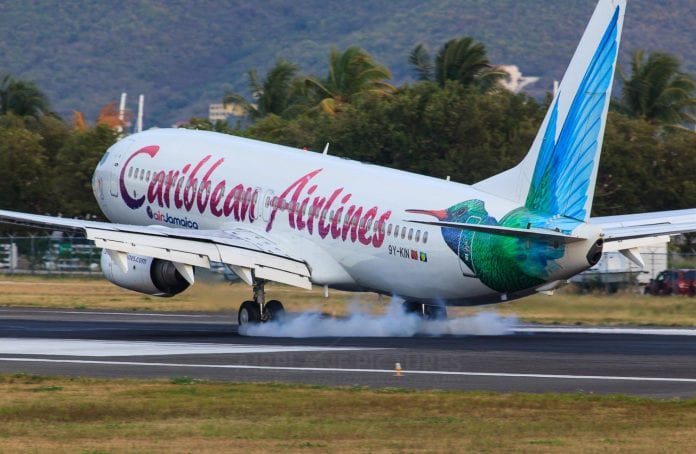
A passenger traveling from Jamaica to New York gave birth over the weekend aboard a Caribbean Airlines flight just as the aircraft was preparing to land.

In a press release, Caribbean Airlines confirmed that Flight BW005 was on its final approach from Norman Manley International Airport to John F. Kennedy International Airport shortly before noon on Saturday when the mother went into labor.

When the aircraft landed, both the mother and the newborn were attended to by medical personnel. The airline said its crew followed established procedures throughout the incident.

“The airline commends the professionalism and measured response of its crew, who managed the situation in accordance with established procedures, ensuring the safety and comfort of all onboard,” Caribbean Airlines said in the press release. “Caribbean Airlines also confirms that no emergency was declared during the flight.”

According to air traffic control audio, after the plane landed, a ground controller jokingly suggested that the child be named “Kennedy,” referencing the airport where the birth occurred.

The exchange between the pilot and air traffic control captured the moment:

Pilot: “We have a passenger, a pregnant passenger, who’s going into labor at this time. Requesting direct detail.”

Controller: “Caribbean 5, roger that. And Caribbean 5, would you like the medical personnel at your gate?”

Pilot: “Yes sir, thank you.”

Ground control: “Caribbean 5, ground?”

Pilot: “Yes sir, go ahead.”

Ground control: “Is it out yet?”

Pilot: “Yes sir.”

Ground control: “All right, tell her she’s got to name it Kennedy.”

Pilot (laughing): “Ah, Kennedy, will do.”

Both the mother and baby safely landed in New York and were treated by a medical team upon arrival. The airline again commended the professionalism and support provided by the crew.

There was no word on whether the mother decided to name the baby Kennedy.

According to a March 2020 study by the National Library of Medicine, between 1929 and 2018, 74 infants were born on 73 commercial flights, with 71 surviving delivery.

Caribbean Airlines’ policy allows pregnant passengers to travel without medical clearance up to the end of their 32nd week of pregnancy but does not accept passengers after the 35th week.

Meanwhile, reactions online ranged from congratulatory to humorous. One commenter, Winston George, wrote: “Amen. That child’s nationality is ‘International’ having born in the air or it depends parents nationality or which country owns the airspace.”

Trinidad PM says CARICOM SG reappointment was a ‘surreptitious and odious’ process

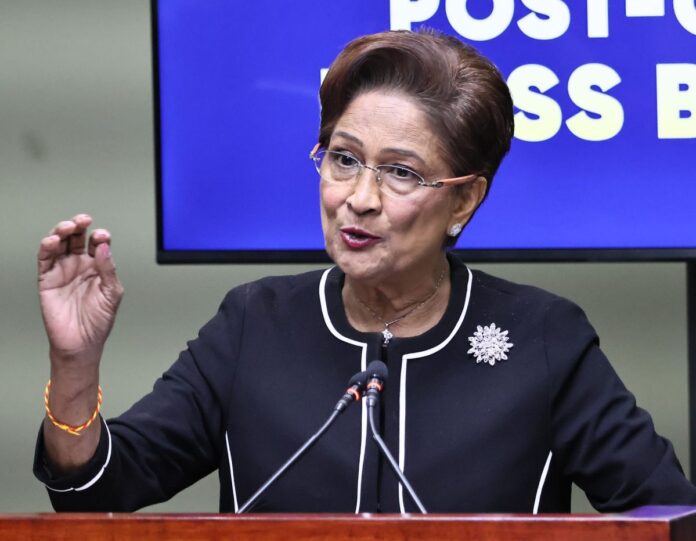
Trinidad Prime Minister Kamla Persad-Bissessar
Prime Minister Kamla Persad-Bissessar

Kamla Persad-Bissessar, Prime Minister of Trinidad and Tobago, has renewed calls for transparency from CARICOM over the reappointment of Secretary-General Carla Barnett, warning that her government will continue to challenge what it describes as an improper process. She has also threatened to withhold funding from Trinidad and Tobago for the regional organisation.

In a Facebook post, Persad-Bissessar said that Trinidad and Tobago remains committed to CARICOM but will not relent until what she termed a “surreptitious and odious” process is fully explained. She argued that the appointment carries implications for the country’s economy, security, regional integration, and foreign affairs over the next five years.

The Prime Minister stated that the government has formally objected to the reappointment, maintaining that it was not conducted in accordance with Article 24 of the Revised Treaty of Chaguaramas, which requires formal consideration by the Conference of Heads of Government.

She referenced correspondence sent on March 25 by Sean Sobers, Minister of Foreign and CARICOM Affairs, to CARICOM Chairman Terrance Drew, outlining Trinidad and Tobago’s objection.

According to the Prime Minister, the proposed reappointment was not included on the provisional agenda of the Fiftieth Regular Meeting of the Conference of Heads of Government, held in Saint Kitts and Nevis, and was not addressed during plenary discussions. She claimed the matter was instead raised during a Heads of Government retreat, from which some Member States, including Trinidad and Tobago, were excluded through their authorised representatives.

Persad-Bissessar said that further letters were dispatched on March 31 to both Drew and Barnett, seeking details on how the matter was introduced, what communications were shared with Member States, and whether any decisions were circulated after the retreat.

Additional correspondence from the Permanent Secretary in the Ministry of Foreign and CARICOM Affairs to CARICOM officials also sought documentation on the process, noting that previous reappointments followed established procedures and reflected the views of all Heads of Government.

The Prime Minister stated that no responses have been received to date. She added that Trinidad and Tobago, which contributes a significant share of CARICOM’s budget, is entitled to accountability and adherence to agreed rules governing regional decision-making.

Guyana, Brazil deepen agricultural cooperation amid major infrastructure push

Minister of Agriculture, Zulfikar Mustapha, at the engagement with Brazilian investors.

Guyana is strengthening agricultural cooperation with Brazil as part of a broader push to expand production, attract foreign investment, and enhance regional food security.

Zulfikar Mustapha, Guyana’s Minister of Agriculture, recently engaged a high-level team of Brazilian investors to explore large-scale agricultural opportunities. The engagement forms part of Guyana’s national strategy to boost agricultural output and deepen cross-border partnerships.

Minister Mustapha underscored the government’s readiness to facilitate investments across key agricultural areas, noting that Guyana’s vast lands and supportive policy environment position the country as an attractive destination for strategic partnerships.

He also highlighted opportunities for collaboration between international investors and local farmers to accelerate productivity and scale up agro-industrial development.

The growing interest from Brazil comes as Guyana undertakes major transformational projects aimed at strengthening cross-border trade and agricultural expansion.

Central to this vision is the ongoing development of the Linden to Lethem corridor, which will create a direct land connection between Guyana and northern Brazil. The upgraded roadway is expected to significantly reduce transportation time and costs, opening a vital trade route linking Brazilian markets to Guyana’s ports and, by extension, the Caribbean and North America.

Complementing this corridor is the development of a modern port facility at Parika, which is expected to play a critical role in expanding agro-exports.

The new port is being designed with integrated cold storage, packaging, and agro-processing facilities, enabling farmers to preserve produce, reduce post-harvest losses, and access regional and international markets more efficiently.

These initiatives aim to unlock economic potential between Guyana and Brazil, particularly in the Roraima, where agricultural production continues to expand rapidly.

With strategic infrastructure, strong political will, and growing investor confidence, Guyana is positioning itself as a key gateway linking South America to Caribbean markets, creating new opportunities for farmers, investors, and regional partners alike.

Cayman Islands government introduces bill to strengthen parliamentary democracy

Cayman Islands

The Government of the Cayman Islands has introduced the Parliament (Management) Amendment Bill, 2026, aimed at strengthening parliamentary democracy and modernising legislative operations.

According to a government statement, the bill seeks to formalise the role of the opposition and provide the opposition leader with dedicated office space and staffing to better perform constitutional duties.

André Ebanks said the measure recognises the importance of a strong opposition in ensuring accountability and improving policymaking.

“An effective opposition benefits the entire country by broadening representation and strengthening the legislative process,” he said, adding that the reforms are part of efforts to modernise government as parliamentary responsibilities expand.

The bill also increases support for all 19 constituency offices, which serve as key links between elected representatives and the public. Proposed changes include upgrading the role of constituency assistants to constituency managers and raising the monthly constituency allowance from $5,000 to $6,500 to reflect rising operational costs.

Ebanks said the improvements underscore the government’s commitment to constituency work and community engagement, while also helping to attract more young people and women into politics.

The legislation builds on the Parliament Management Act, 2020, which established the Parliament Management Commission, and follows a 2022 amendment that introduced constituency assistants for all Members of Parliament.

UN issues urgent appeal as Cuba faces worsening humanitarian crisis

Cuba crisis
© UNICEF/Claudio Pelaez Hurricane Melissa struck Cuba in late October 2025, causing massive devastation across the island nation (file)

The United Nations has issued an urgent call for international support as Cuba grapples with a worsening humanitarian crisis fueled by prolonged fuel shortages and the lingering devastation caused by Hurricane Melissa last year.

Fuel shortages in the country have deepened after Washington took measures at the end of January to block oil supplies from entering the Caribbean nation, significantly straining electricity generation, food production, transportation, and health services.

Despite the reported arrival of limited fuel supplies — including a recent oil shipment from Russia that was allowed to dock last week — humanitarian needs in the country remain “quite acute and persistent,” according to the United Nations’ top official in Cuba. The impacts of the energy shock have also worsened since the end of March.

Resident Coordinator Francisco Pichon, briefing reporters in New York via video link, unveiled an updated Action Plan aimed at supporting around two million people across eight provinces. The plan builds on earlier recovery efforts following Hurricane Melissa, with a particular focus on stabilizing the island’s collapsing power grid.

Shock to Daily Life

The humanitarian situation has reached a critical tipping point following three months without sufficient fuel to meet Cuba’s energy needs. Venezuela had historically supplied much of the country’s fuel, but recent geopolitical developments and restrictions have disrupted those supplies.

The crisis worsened further last month when the national electrical system disconnected three times, leaving large parts of the country without power for days.

The energy shortage has significantly disrupted essential services. Health systems are now facing a backlog of more than 96,000 pending surgeries, including 11,000 involving children. The National Immunization Programme has also been delayed for thousands of infants.

In addition, roughly one million people are now dependent on water trucking, a service that has been severely constrained due to diesel shortages.

Focus on Vulnerable Populations

Pichon emphasized that the crisis has disproportionately affected vulnerable groups.

Cuba, which has the most aged population in Latin America, is seeing heightened risks for nearly 300,000 elderly citizens living alone, along with more than 100,000 people with disabilities and approximately 32,000 pregnant women.

“The humanitarian consequences continue every day, despite recent efforts to deliver fuel; the situation comes on top of multiple shocks,” Pichon said.

To help address the situation, the United Nations is shifting toward more sustainable energy solutions. The updated Action Plan includes installing solar power systems for irrigation, hospitals, and schools, along with strengthening water pumping infrastructure to reduce dependence on the fragile national grid.

Food assistance is also being prepared for delivery by the World Food Programme to communities affected by Hurricane Melissa.

‘Critical Window of Opportunity’

While the UN has already mobilized $26.2 million, a significant funding gap of $68 million remains.

Pichon said the UN is working closely with national authorities and the private sector to identify logistical solutions that will ensure aid operations remain viable.

“We believe this is a critical window of opportunity to mobilise resources and raise awareness of the urgency,” he said.