



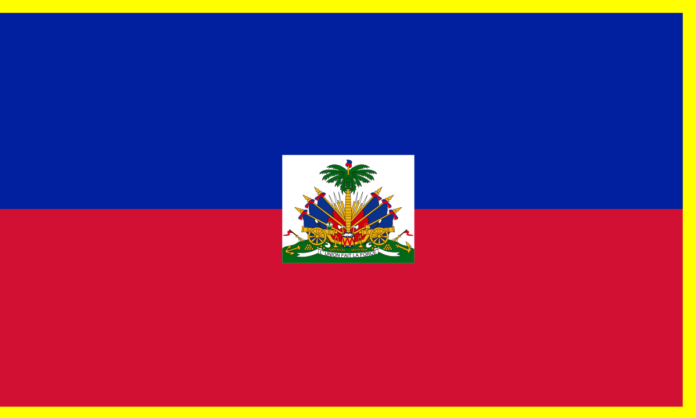
The United States has imposed new visa restrictions on members of Haiti’s Transitional Presidential Council (TPC), citing alleged links to gang activity and interference with efforts to combat criminal groups in the country.

In a statement issued on January 25, the U.S. Department of State said it is taking steps to revoke the visas of two TPC members, along with those of their immediate family members, including spouses and children. The action is being taken due to the individuals’ alleged involvement in the operation of gangs and other criminal organisations in Haiti.
According to the State Department, the targeted council members are accused of interfering with the Government of Haiti’s efforts to counter gangs that the United States has designated as Foreign Terrorist Organizations (FTOs). The measures are being applied under Section 212(a)(3)(C) of the Immigration and Nationality Act, which allows for visa restrictions on individuals whose entry into the U.S. could have serious adverse foreign policy consequences.

“The United States remains committed to supporting Haiti’s stability and to partnering with Haitian authorities to fight gang violence,” the State Department said, adding that the Haitian people “have had enough with gang violence, destruction, and political infighting.”
The latest action brings to at least three the number of TPC members who have lost U.S. visas or green cards in the past two months. In November, the State Department revoked the U.S. visa of former Central Bank governor and TPC member Fritz Alphonse Jean, who later confirmed he had been barred from entering the United States. Jean was accused in a State Department communiqué of having ties to gangs, allegations he has publicly denied.
Political tensions within Haiti’s transitional leadership have escalated in recent months, as the council’s mandate is set to expire on February 7, with no elected president currently in office. Last week, five of the council’s seven voting members voted to remove Prime Minister Alix Didier Fils-Aimé and install a new government. The Trump administration has described that move as illegal and warned council members they could face sanctions if they proceed.
U.S. officials said Secretary of State Marco Rubio personally called Fils-Aimé on Friday to reaffirm Washington’s support and to underscore that the council’s mandate ends on February 7. The State Department reiterated that it will continue to support stability in Haiti and efforts to combat gang violence.
Last week, the U.S. Embassy in Haiti also issued a public warning to the TPC, cautioning the unelected body against making changes to the country’s government amid mounting pressure to move Haiti toward its first elections in nearly a decade. In a statement posted on X, the embassy said Washington would view any such actions as destabilising and potentially beneficial to armed gangs.
“The United States would consider that any person who supports such a destabilizing initiative, which favors the gangs, would be acting against the interests of the United States, the region, and the Haitian people, and will take appropriate measures accordingly,” the embassy said.







, citing links to gangs.)