US is considering a UN peacekeeping operation in Haiti
Key Points(5)
- is exploring the possibility of a U.N.
- peacekeeping operation in Haiti as a way to secure funding and staffing for a Kenya-led mission aimed at quelling gang violence in the Caribbean country, a top U.S.
- diplomat revealed last Wednesday.
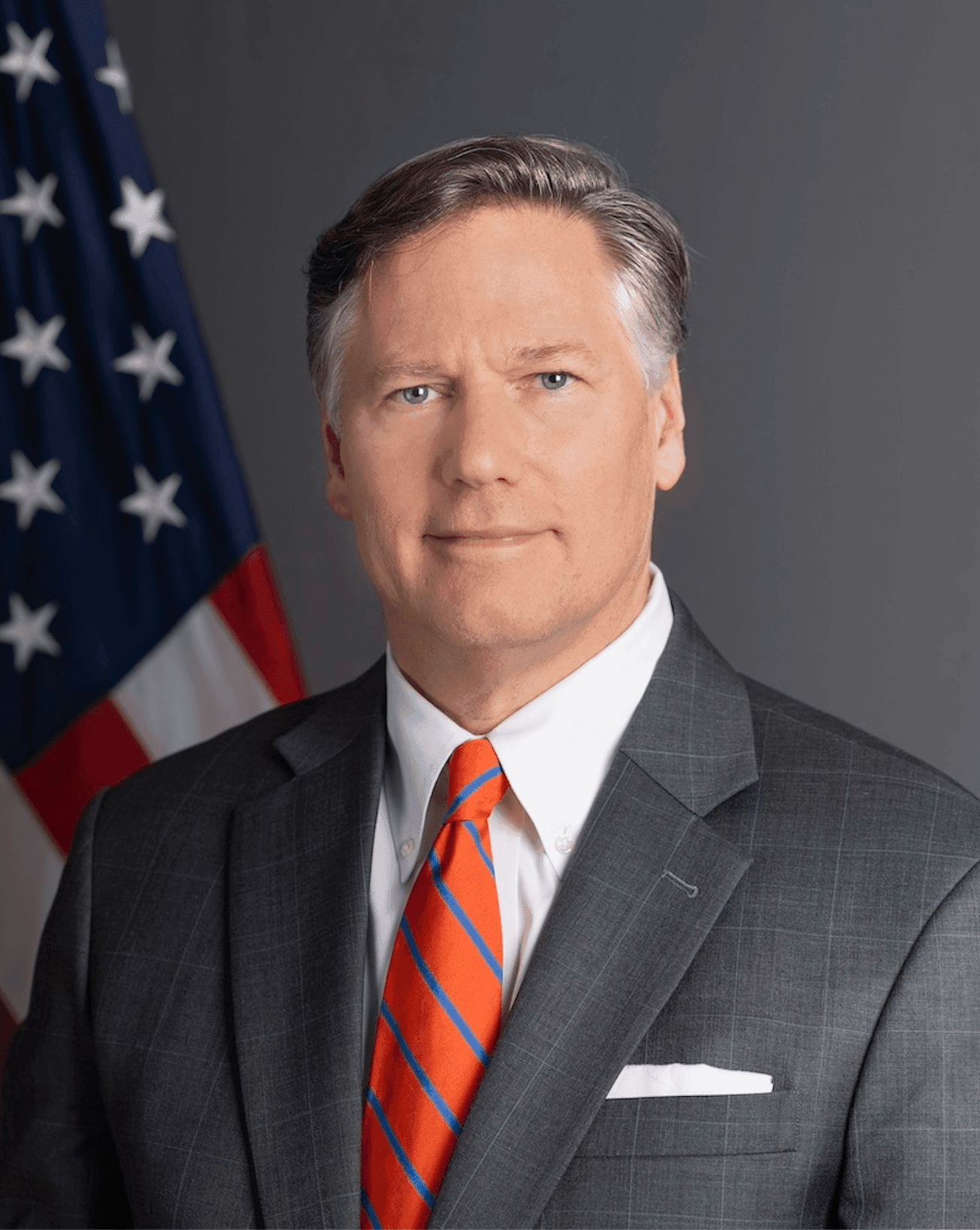
- “A (peacekeeping operation) is one of the ways we could accomplish that,” said Brian A.
- assistant secretary for Western Hemisphere affairs.
The U.S. is exploring the possibility of a U.N. peacekeeping operation in Haiti as a way to secure funding and staffing for a Kenya-led mission aimed at quelling gang violence in the Caribbean country, a top U.S. diplomat revealed last Wednesday.
“A (peacekeeping operation) is one of the ways we could accomplish that,” said Brian A. Nichols, U.S. assistant secretary for Western Hemisphere affairs. “But we are looking at multiple ways.”
Ultimately, the U.N. Security Council would need to approve a peacekeeping mission. However, experts suggest that such support is unlikely, as many Haitians remain wary after previous U.N. operations introduced cholera and faced sexual abuse allegations during the last deployment of U.N. troops in Haiti. A U.N. spokesman responded to inquiries about a possible peacekeeping mission, stating, “It would be a decision of the Security Council.”
Currently, the U.N.-backed mission to Haiti relies on voluntary contributions, with the U.S. and Canada providing the majority of funding thus far. Some 400 Kenyan police officers have already been deployed, and the mission aims to include additional personnel from countries like the Bahamas, Bangladesh, Barbados, Benin, Chad, and Jamaica. The total mission will involve around 2,500 personnel deployed in phases, costing approximately $600 million annually. At present, the U.N. has received $85 million in pledges, of which $68 million has been disbursed.
Despite the deployment of the Kenyan contingent in late June, gang violence in Haiti remains rampant. “We need the rest of the international community to step forward with much more significant financial contributions so that the force can continue to operate and that additional nations can deploy their units,” Nichols emphasized.
Nichols acknowledged that while progress has been made since earlier this year, there is still much to be done. “The prime minister is rightly concerned about the future, but I think we have come quite a long way since the beginning of the year,” he said.
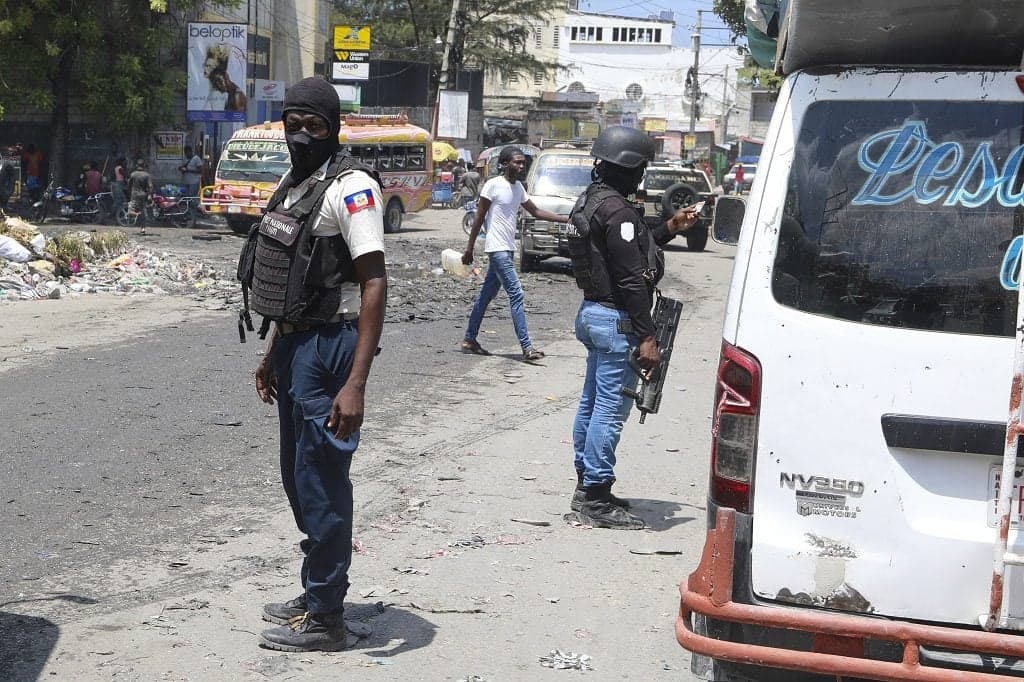
Haiti has been mired in political and social turmoil since its last presidential election in November 2016. Gang violence escalated dramatically after the assassination of former President Jovenel Moïse in July 2021, creating a security vacuum. In February, gangs launched coordinated attacks targeting police stations, Haiti’s main international airport, and two major prisons, freeing thousands of inmates.
Following these attacks, Prime Minister Ariel Henry resigned in April while in Kenya for discussions about the mission. A transitional presidential council was formed, which appointed Garry Conille as prime minister.
“We’ve come a long way since those very dark moments,” Nichols noted, pointing out that Haiti’s police and military recently launched their first joint operation with the Kenyans, targeting gang leaders in ways that have not been seen for years. However, gangs still control 80% of Port-au-Prince, with attacks continuing in surrounding areas. Between January and May alone, over 3,200 people were killed, and more than half a million Haitians have been displaced due to violence in recent years.
Political progress has also stalled, with Haiti’s transitional council embroiled in a corruption scandal. Three of its nine members are accused of demanding over $750,000 from the director of the government-owned National Bank of Credit in exchange for securing his position. The director has since resigned, and the council members have denied the allegations.
“The Haitian people deserve transparency and good governance, and the international community, which provides good assistance, also needs to see that,” Nichols said.
As the situation continues to unfold, the U.S. remains committed to stabilizing Haiti, while hoping for improved relations between the two nations. However, Nichols acknowledged, “Obviously those are sovereign decisions.”