UN releases $140.5 million emergency fund to support 1 million people in Haiti
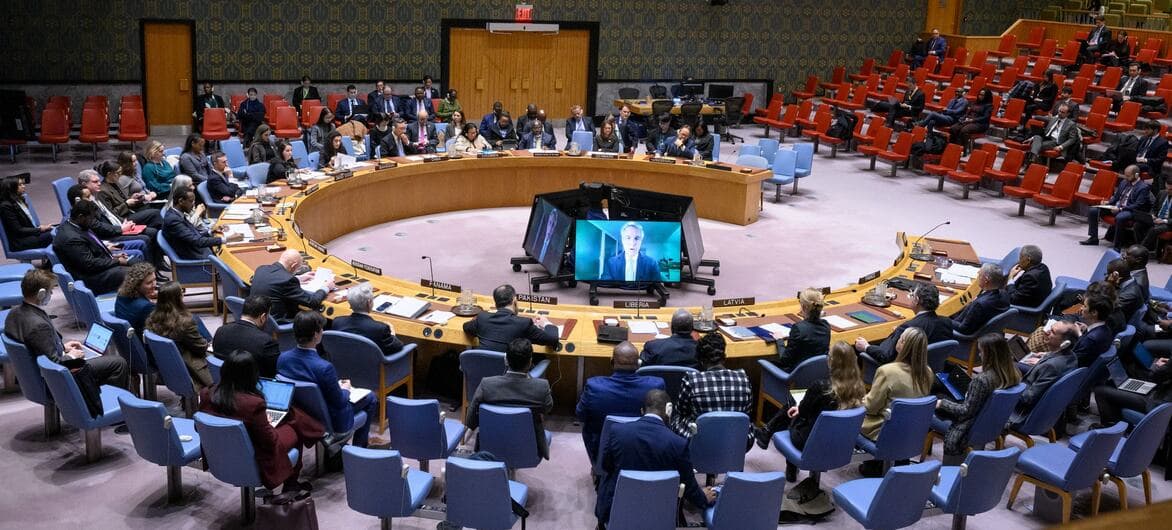
The United Nations is releasing $140.5 million in emergency funding to provide urgent humanitarian assistance to one million people in Haiti, where more than half the population is now in need of aid amid escalating violence, hunger, and displacement.
In a statement on April 14, 2026, Humanitarian Coordinator Nicole Kouassi said the funding will support food assistance, access to safe drinking water, healthcare services, and emergency shelter, alongside targeted protection for the most vulnerable.
This includes measures to protect women and children from abuse, medical and psychological care for rape survivors, treatment for malnourished children, and support for people living with disabilities. Funding will also help keep children in school through the United Nations Global Emergency Fund (CERF).
“Haiti is facing a deepening humanitarian crisis,” Kouassi said. “This funding provides urgently needed relief and boosts the 2026 Humanitarian Needs and Response Plan.”
According to UN figures, an estimated 6.4 million people in Haiti require humanitarian assistance, while nearly 6 million are on the brink of hunger. Escalating violence has displaced nearly 1.5 million people, with half of those displacements occurring in the past 18 months.
The allocation includes $121.5 million from the Haiti Humanitarian Fund, $10 million from CERF for underfunded emergencies, and $9 million from CERF to support humanitarian air services. The funds are managed by the United Nations Office for the Coordination of Humanitarian Affairs (OCHA).
The support will prioritize the most affected areas based on risk analysis, with assistance tailored at the commune level to ensure safe delivery under strict humanitarian safeguards.
The funding will also support logistics and air services to ensure aid reaches hard-to-access communities amid ongoing insecurity.
The UN noted that the allocations are part of broader coordinated humanitarian efforts and thanked donor countries including the United States, Canada, the Netherlands, the United Kingdom, Norway, and Denmark for their contributions to pooled funding mechanisms in 2026.