UN: Nearly 6,000 killed, 3,000 injured in Haiti in 2025
Nearly 6,000 people were killed and more than 2,700 injured in Haiti in 2025 as a result of widespread insecurity, according to the latest report from the United Nations Integrated Office in Haiti (BINUH).
The report shows that during the fourth quarter of 2025 alone (October to December), at least 1,523 people were killed and 806 others injured, underscoring the persistent and severe impact of violence across the country.
For the full year, BINUH documented more than 5,915 deaths and 2,708 injuries linked to gang violence, law enforcement operations, vigilante actions and other security-related incidents.
Despite the high death toll, the UN noted that gangs were largely unable to expand their territorial control within the Port-au-Prince metropolitan area, mainly due to sustained operations by Haitian law enforcement. However, gangs operating in areas already under their control continued to carry out serious human rights abuses, including targeted killings, kidnappings, extortion, destruction of property and the trafficking of children for exploitation and forced participation in criminal activity.
In rural areas surrounding the capital—particularly in the Artibonite and Centre departments—gangs intensified indiscriminate attacks on communities in an effort to consolidate and expand territorial influence. These assaults disproportionately affected farmers and agricultural assets, contributing to displacement, weakening local economies and increasing humanitarian and protection needs.
The report also highlights the role of vigilante violence, estimating that about six per cent of killings and injuries were linked to self-defence groups and civilians involved in the “Bwa Kalé” movement, which targets gang members and individuals suspected of collaborating with them.
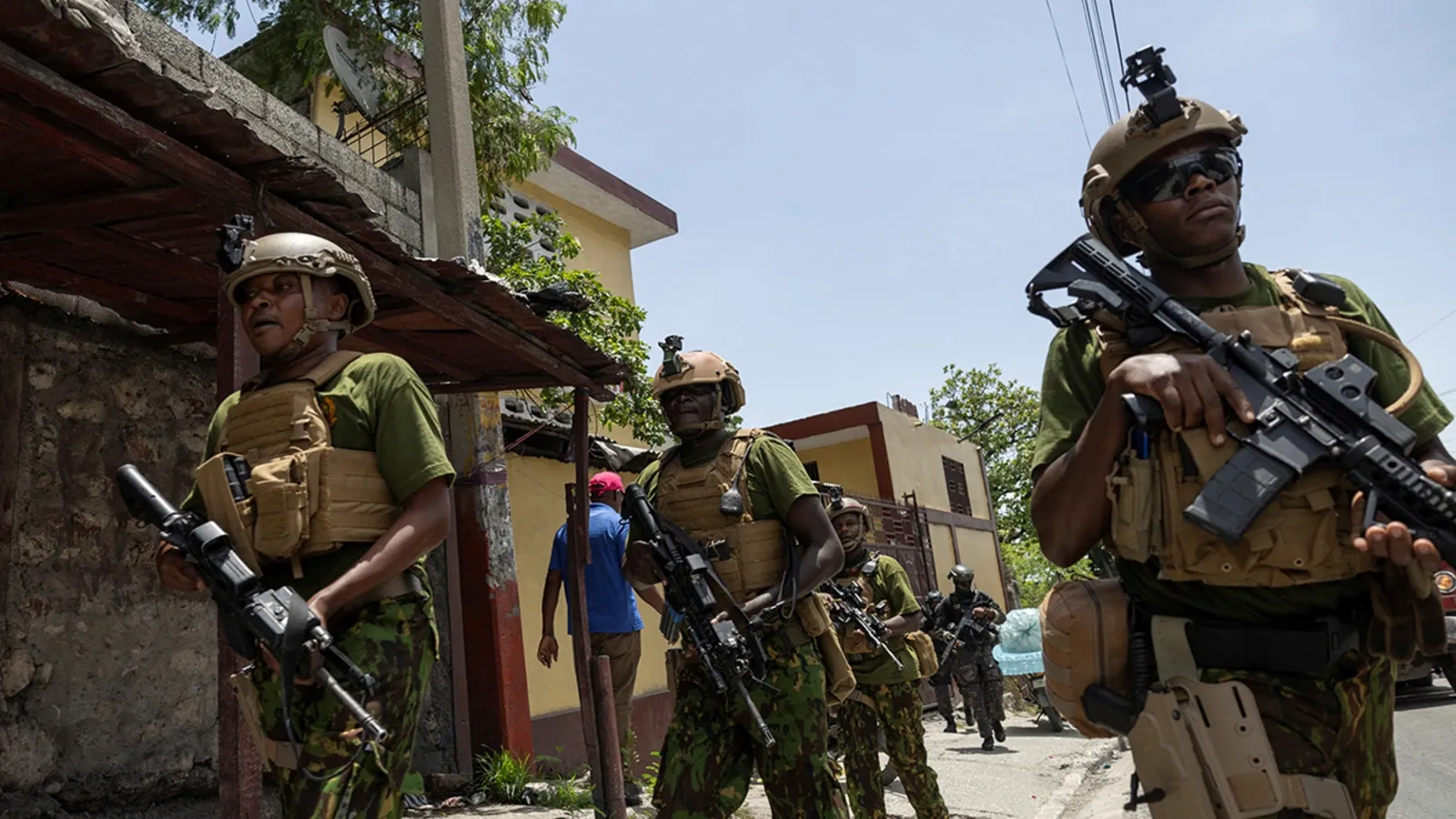
More than 62 per cent of those killed or injured during the fourth quarter were harmed during law enforcement operations, some of which were supported by a foreign private military company. According to BINUH, this company assisted security forces through the use of explosive drones and helicopter strikes.
At least 32 civilians were killed or injured by airstrikes during the quarter, including two young girls. BINUH’s Human Rights Service noted a significant expansion in the company’s operational footprint, with strikes reported not only in Port-au-Prince and Kenscoff, but also in new areas such as Cabaret and Pétion-Ville.
The report further draws attention to ongoing allegations of summary executions involving members of the police force, raising serious human rights concerns.
During the fourth quarter, three police officers were killed and five others wounded. One member of the FRG was also reported injured.
BINUH warned that without a comprehensive security strategy and stronger safeguards for civilians, the scale of violence and its humanitarian consequences are likely to continue to deepen.