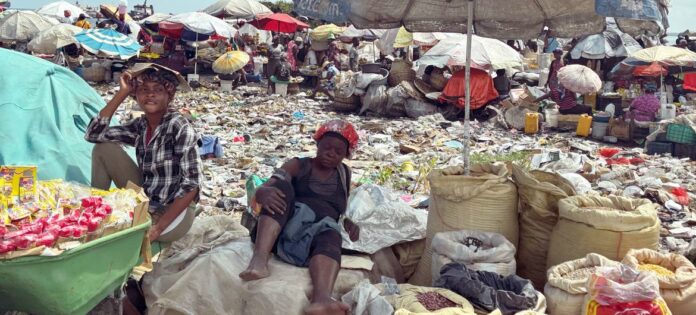
The United Nations World Food Programme (WFP) is urgently appealing for US$46 million to support two million Haitians facing severe food insecurity, including 8,500 people classified at the most catastrophic level of hunger.

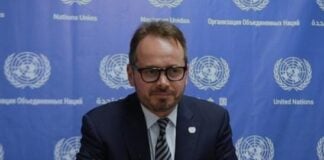
The appeal was made by Lola Castro, WFP’s regional director for Latin America and the Caribbean, following a recent visit to Haiti. She warned that escalating gang violence and mass displacement have pushed the country toward a deepening humanitarian disaster, with 5.7 million people — nearly half the population — now in urgent need of food assistance.
“Haiti is one of only five countries in the world with people living in Phase 5 — the highest category of catastrophic hunger,” Castro said. “It is truly dramatic to witness this level of suffering in the Western Hemisphere.”

The Integrated Food Security Phase Classification (IPC) defines Phase 5 as a situation where at least 20% of households face an extreme lack of food, risking starvation, acute malnutrition, and death.
Gang control over an estimated 85% of the capital, Port-au-Prince, has exacerbated instability and blocked access to food and basic services. The country remains without a president since the 2021 assassination of Jovenel Moïse, and humanitarian officials continue to warn of a descent into “total chaos” without additional international support.
Despite the arrival of a UN-backed, Kenya-led multinational security mission to help stabilize the country, the force remains understaffed and underfunded, with only 40% of the planned 2,500 personnel deployed.
WFP has already assisted 1.3 million people this year using leftover funds from 2024, but Castro said food stocks will run out by July — just as the hurricane season begins. In stark contrast to previous years, the agency currently has no emergency food supplies or funds to buy local provisions.
“We are starting hurricane season with empty warehouses,” Castro warned. “One storm could push hundreds of thousands more into crisis and deepen Haiti’s hunger emergency.”
The WFP’s school meals program, which typically provides daily meals for 500,000 Haitian children, is also at risk of being halved due to the funding gap.

The requested $46 million would allow the WFP to continue feeding the two million most vulnerable Haitians, maintain school meal programs, and deliver aid to displaced people in camps.
“We’re racing against time,” Castro said. “Without immediate resources, the humanitarian situation in Haiti could deteriorate rapidly.”