Trinidad gov't denies role in US visa revocation for FFOS official
Key Points(5)
- Aboud confirmed he was informed by the U.S.
- naval presence near Venezuela, said FFOS has spent 28 years advocating for equity, justice, sustainable development, and protection for vulnerable coastal communities.
- He argued that the visa action reflects a broader attempt to muzzle civil society.</p> <p data-start="926" data-end="1240">“Today, however, we face an alarming reality: NGOs are being silenced,” he said, adding that independent civil organisations are essential for transparency and oversight.
- In a statement on X, she said visa and immigration decisions fall “solely within the jurisdiction” of the United States and must be addressed with U.S.
- authorities.</p> <p data-start="1552" data-end="1976">She also pushed back against Aboud’s allegation that NGOs are being targeted.
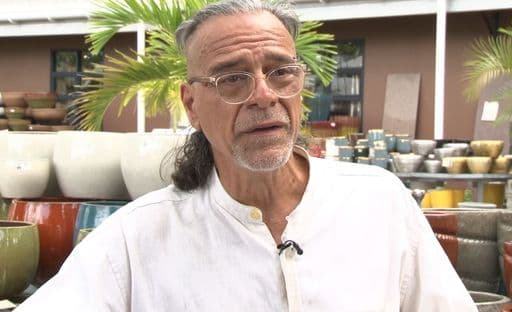
The Trinidad and Tobago Government is distancing itself from the United States’ decision to revoke the visa of Gary Aboud, corporate secretary of the NGO Fishermen and Friends of the Sea (FFOS). Aboud confirmed he was informed by the U.S. Embassy in Port of Spain that his B1/B2 visa had been “prudentially revoked.”
“This email is considered official notification of that revocation,” the Embassy email stated, explaining that the action was “based on the fact” that new information suggested Aboud may be “inadmissible” to the United States.
Aboud, who has recently criticised the increased U.S. naval presence near Venezuela, said FFOS has spent 28 years advocating for equity, justice, sustainable development, and protection for vulnerable coastal communities. He argued that the visa action reflects a broader attempt to muzzle civil society.
“Today, however, we face an alarming reality: NGOs are being silenced,” he said, adding that independent civil organisations are essential for transparency and oversight. FFOS also stated it supports the prime minister in a lawful fight against drug and arms trafficking but “will never condone unlawful killings.”
Prime Minister Kamla Persad-Bissessar swiftly rejected Aboud’s claims and any suggestion that her administration had a role in the U.S. action. In a statement on X, she said visa and immigration decisions fall “solely within the jurisdiction” of the United States and must be addressed with U.S. authorities.
She also pushed back against Aboud’s allegation that NGOs are being targeted. “Contrary to Mr Aboud’s assertions, non-governmental organisations are not being silenced. Such an inflammatory allegation is reckless, misleading and risks causing unnecessary fear,” she said. Persad-Bissessar stressed her government’s commitment to freedom of speech, noting that even political opponents are free to speak without interference.
The prime minister argued that the real threats facing Trinidad and Tobago are criminal networks driving guns, drugs, and human trafficking across the region. Persad-Bissessar, who has previously said those involved in the illegal drug trade should be killed “violently,” reiterated her stance: “I stand by my position that these dangerous criminals must be confronted decisively.” She added that her government supports U.S. and international partners in combating transnational crime.
Persad-Bissessar also credited the increased U.S. military presence in the Caribbean with reducing illicit flows into Trinidad and Tobago, saying the deployment — including U.S. Marines and other military assets — has produced “evident” results.
The U.S. has significantly expanded military operations in the region, sending an amphibious squadron, reconnaissance aircraft, a guided-missile cruiser, destroyers, a nuclear-powered submarine, and the Gerald Ford carrier. But the operations have drawn international scrutiny. The U.N. High Commissioner for Human Rights strongly condemned U.S. airstrikes on vessels in international waters, calling them violations of international human rights law and urging an immediate halt.
Regional leaders have also raised concerns. The Guyana-based CARICOM Secretariat said last month that Caribbean governments had discussed the security build-up and its potential impact, noting that Trinidad and Tobago had not endorsed the position emerging from that meeting.
Aboud said FFOS “cannot condone extrajudicial killings,” arguing the U.S. strikes on Venezuelan vessels amount to “unlawful and violent murders” disguised as counter-narcotics operations. He pointed to the U.N. human rights chief’s condemnation and Human Rights Watch’s description of the strikes as “extrajudicial killings.” Aboud also questioned why Persad-Bissessar endorsed violent action while failing to condemn the deaths of two Trinidadians in the strikes.