Trinidad and Tobago government optimistic about Petrotrin refinery restart
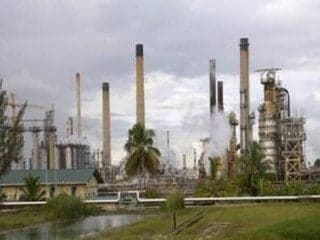
The Trinidad and Tobago government says it remains optimistic that it will restart the state-owned Petrotrin oil refinery, which was shut down in 2018 by the administration of former prime minister Keith Rowley due to outstanding debts totaling billions of dollars.
Energy and Energy Industries Minister Roodal Moonilal said the administration of Prime Minister Kamla Persad-Bissessar is nearing a final decision on restarting the refinery, following high-level discussions with international stakeholders, including officials from Nigeria.
Moonilal told reporters that the government has drawn inspiration from successful refinery restarts in West Africa and is now finalizing a commercial and financing structure designed to reduce the burden on taxpayers by leveraging international private investment.
The proposal, which includes engaging a world-class operator while utilizing local labor, is expected to be presented to Cabinet for a final decision in the near future.
“I can say that we have had expressions of interest, we have had talks with entities throughout the Caribbean and across the globe. Quite recently in Washington, we have had discussions with officials of the Republic of Nigeria and other places as well on the refinery upstart,” Moonilal said, adding “we’re extremely optimistic.
“In Africa, incidentally, there have been several refineries that have had restarts, some even longer than seven years have been gone, and we were excited to learn of some of the West African developments.
“We are in talks with several entities concerning both operationalising, commercial structure, and of course financing. And we are coming to the end of that period now, and very soon, the cabinet and the prime minister will be involved in the government to take some decisions as we go forward.”
Moonilal said he would prefer not to go into further detail ahead of Cabinet deliberations but indicated that key decisions are imminent.
“But we are coming very soon now to some key decisions on that matter, and we are very happy with the interest, and we are happy with the scenario where, of course, the taxpayer will not have to expend any significant amount of capital investment, but we can get that from the international private sector, from the investing community, and of course we can have a reputable, world-class operator to work with our labour force here...and restart that refinery.”
In March last year, the Rowley administration said it had accepted a recommendation from an evaluation committee naming Oando PLC as the preferred bidder for the lease of the Guaracara refinery.
The government said the decision was based largely on Oando’s financial track record, including its US$1.5 billion acquisition of assets from ConocoPhillips in Nigeria.
Trinidad Petroleum Holdings Limited (TPHL) owns Guaracara Refining Company Ltd, which operates the country’s only petroleum refinery. It also owns the Paria Fuel Trading Company subsidiary, responsible for importing refined petroleum products and managing domestic storage and distribution.
Earlier this year, the government received an interim report from the Refinery Restart Committee led by former energy minister Kevin Ramnarine.
A government statement said the committee had been tasked with reviewing the refinery’s technical readiness, infrastructure, and utilities, and developing a plan for restarting operations in the shortest possible timeframe.
“The Interim Report notes that despite its closure seven years ago, the restart of the refinery is technically, commercially and financially viable given the current market demands for refined products and crude availability. The closure of the refinery for seven years has led to degradation of the units and supporting utilities and offsites,” the government statement said.
When the refinery was closed in 2018, then finance minister Colm Imbert said the cost of upgrading the facility would have placed an unsustainable burden on the company, with debt estimated at TT$12 billion, including TT$5.780 billion due in August 2019.