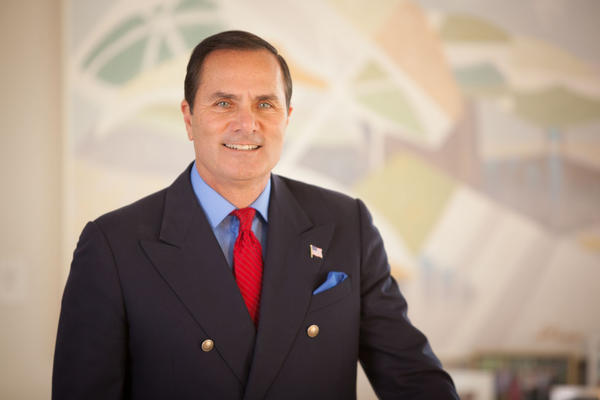
Hundreds of thousands of registered voters in Palm Beach County may go without representation during the next legislative session following the resignation of former State Representative Mike Caruso.
Caruso stepped down from District 87 after being appointed Clerk of the Circuit Court and Comptroller. The district, which includes the Town of Palm Beach, Jupiter, Juno Beach, Palm Beach Gardens, and West Palm Beach, is home to nearly 180,000 voters, a majority of whom are registered Republicans — including former President Donald Trump and First Lady Melania Trump.
Typically, a special election would fill such a vacancy. However, Governor Ron DeSantis has not yet set a date for the election, and Caruso told the Sun-Sentinel that a special election may not be held. If that is the case, the seat could remain vacant until November 20–26, after the legislative session has ended, leaving District 87 without a voice in critical state decisions for several weeks.

“This could impact 114,650 voters who live within the District 87 zone,” the Sun-Sentinel reported, highlighting concerns that constituents would lack direct representation in matters affecting funding for local projects, education, infrastructure, and community improvements.
While Republicans hold a commanding majority in the Florida House of Representatives, meaning major legislative outcomes are unlikely to shift, the absence of a representative could still delay advocacy for projects and initiatives specific to the district. Local officials and community leaders have expressed concern that key funding requests and local priorities may be sidelined during the legislative session.
Several candidates have already filed paperwork to run for the seat in 2026, according to the Sun-Sentinel. Republicans Jon Maples and Gretchen Miller Feng, as well as Democrats Emily Watson Gregory and Laura Ann Levites, have formally entered the race. Their campaigns are expected to shape the conversation around priorities for District 87 in the coming months.
Until the vacancy is filled, constituents will need to rely on neighboring representatives or county officials to address urgent matters, leaving some residents concerned about their ability to influence legislative decisions that directly affect their communities.