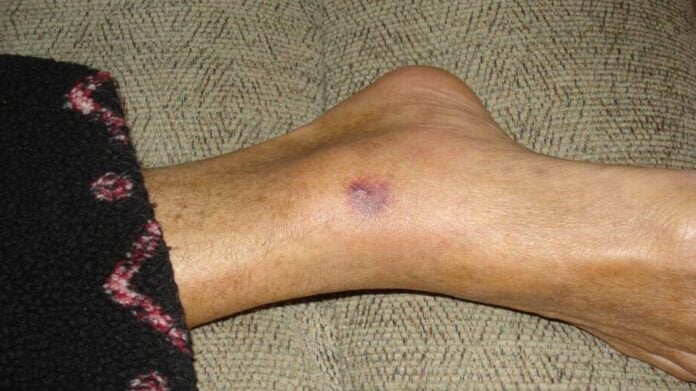
Health authorities in Florida have confirmed that four people — including one in Broward County — have died this year after contracting Vibrio vulnificus, a rare flesh-eating bacterium found in warm saltwater and brackish environments.

The Florida Department of Health says the state has recorded 11 cases so far in 2025. Though infections are relatively uncommon — with the CDC reporting about 150 to 200 cases nationwide annually — they can be life-threatening. One in five patients dies, sometimes within 48 hours of showing symptoms.
The bacterium can enter the body through open wounds exposed to contaminated water or through consumption of raw or undercooked seafood, particularly oysters. It can cause necrotizing fasciitis, a severe infection that destroys soft tissue and may require amputation.

Health officials say people with weakened immune systems, liver disease, cancer, or those taking medications that reduce stomach acid are at higher risk of complications. There is no known human-to-human transmission.
Symptoms of Vibrio vulnificus infection include vomiting, diarrhea, fever, abdominal pain, blistering skin, and signs of sepsis such as low blood pressure and chills.
Doctors advise immediate emergency care for anyone experiencing symptoms following exposure to warm coastal waters or seafood. If an infection is found early, doctors can use antibiotics to treat it immediately. The Cleveland Clinic says providers are likely to prescribe antibiotics such as doxycycline, ceftazidime, cefotaxime or ciprofloxacin.
Officials warn against entering warm salt or brackish water with open cuts and urge the use of protective footwear to prevent injuries.
According to The Washinton Post, most cases have been reported in counties that suffered damage from overflowing water following hurricanes. In 2022, Collier and Lee counties experienced a higher than usual number of cases in the aftermath of Hurricane Ian. And last year, the counties of Citrus, Hernando, Hillsborough, Lee, Pasco, Pinellas and Sarasota experienced jumps in cases following Hurricane Helene, state officials said.
As global temperatures rise, experts expect more frequent infections and an expanding geographic range for the bacteria, now spreading northward at roughly 30 miles per year.