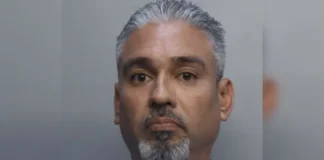
A Florida businessman is serving five and half years in federal prison for stealing nearly $8 million in federal COVID-19 relief funds, a portion of which he used to acquire a private island.
Reports are that Patrick Parker Walsh was living lavishly after obtaining his paradise, known as Sweetheart Island, which is a two-acre uninhabited oasis tucked away just a mile off the coast of Yankeetown, a Gulf Coast town in Florida.
Grift in the US
Walsh’s private island acquisition is among the more unusual purchases made by pandemic fraudsters. Still, it is just one of the many in a wave of pandemic-related fraud that has swept across the nation.

He is just one among thousands of individuals who have committed what may be considered the most significant grift in U.S. history.
Together, these fraudsters have potentially siphoned off over $280 billion from federal COVID-19 aid, with an additional $123 billion being wasted or misspent.
A costly toll on economic relief
The loss represents close to 10 per cent of the $4.3 trillion the US government has disbursed to mitigate the economic devastation wrought by the COVID-19 pandemic, according to an analysis by The Associated Press (AP).
Lavish lifestyles funded by fraud
A comprehensive review of numerous pandemic fraud cases by AP paints a vivid picture of criminals who spared no expense in enjoying their ill-gotten gains.
Houses, luxury watches, diamond jewelry, and high-end cars, including Lamborghinis, became symbols of their extravagance.
Reports are that stolen aid funds also financed extravagant nights at strip clubs, reckless gambling sprees in Las Vegas, and bucket-list vacations.

How the crimes were committed
In an effort to swiftly provide aid to struggling individuals and businesses during the initial stages of the COVID-19 crisis, the government relaxed safeguards meant to deter fraudsters.
As exemplified by Walsh’s case and countless others, obtaining the money was stealing the money was as easy as lying on an application, according to AP.
The diverse cast of thieves
These pandemic fraudsters hailed from diverse backgrounds and locations around the globe.
Reports are that a Tennessee rapper even boasted on YouTube about how easy it was to steal more than $700,000 in pandemic unemployment insurance.
Meanwhile, a former pizzeria owner, who also hosted a cryptocurrency-themed radio show, used stolen funds to purchase an alpaca farm in Vermont.
Furthermore, an ex-Nigerian government official flaunted a $10,000 watch and a $35,000 gold chain when he was apprehended, having pocketed approximately half a million dollars in COVID-19 relief benefits.
Pursuing justice
Nearly 3,200 defendants have been charged with COVID-19 relief fraud, according to the US Justice Department, and approximately $1.4 billion in stolen pandemic aid has been seized.
Despite these efforts, the consequences of this widespread grift continue to reverberate across the nation.
More recent news from South Florida
- Three Florida airports ranked among those with highest number of delays nationally
- Former Miami-Dade Police Director returns as Senior Advisor after suicide attempt
- Florida Supreme Court deliberate over recreational marijuana amendment
- Miami International Airport boasts shortest security wait times in Florida