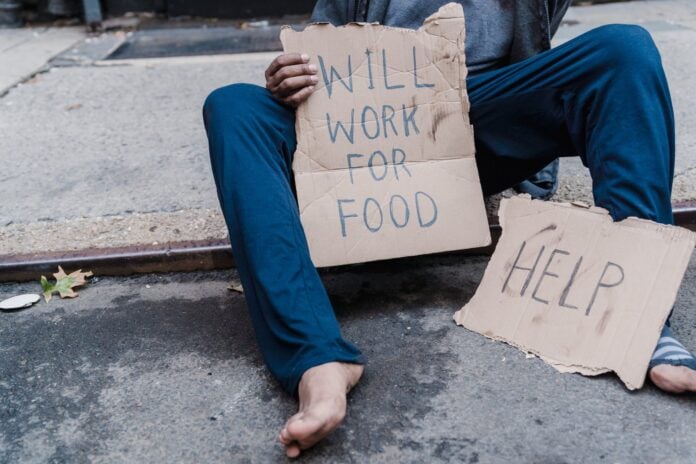
Florida lawmakers have pushed through a bill aimed at prohibiting thousands of homeless individuals from setting up camp or sleeping on public property.
The bill, which was sent to Republican Governor Ron DeSantis, has ignited debates over its implications for the state’s homeless population.
Designated camp areas with conditions
Under the proposed legislation, counties would gain the authority, with the blessing of the state Department of Children and Families, to designate specific areas where homeless individuals could camp for up to a year.

However, those utilizing these designated encampments would be subject to strict conditions, including prohibitions on alcohol and illegal drug use.
Supporters advocate for order and accessibility
Advocates of the bill assert that it would effectively tackle the nuisance caused by homeless individuals residing in public spaces and parks.
They argue that concentrating the homeless population in designated areas would streamline the provision of local services, making it easier for authorities to address their needs.
Republican Senator Jonathan Martin, the bill’s sponsor, emphasized the urgency of the issue, stating, “It’s our responsibility to deal with homelessness and that’s why we can’t wait any longer to bring this solution. The current model is not working.” Martin highlighted the estimated 30,000 Floridians without homes, half of whom lack shelter, underscoring the need for a more compassionate and effective approach.
Response from critics
However, opponents of the bill view it as a superficial attempt to sweep the issue of homelessness under the rug.
Democratic Senator Shevrin Jones criticized the legislation, arguing that it fails to address the root causes of homelessness.

“We are literally reshuffling the visibility of unhoused individuals with no exit strategy for people who are experiencing homelessness,” Jones remarked.
Moreover, critics raise concerns about the potential dangers posed by the designated encampments.
They point out the absence of provisions ensuring the safety and sanitation of these areas, as well as the risk of housing sexual offenders and children close without adequate safeguards.