The Broward County School Board has voted to scrap the controversial PROMISE program, which was aimed at keeping students out of the criminal justice system.
Launched in 2013, the program — which stands for Preventing Recidivism through Opportunities, Mentoring, Intervention, Support, and Education — was designed to cut down on the school district’s number of in-school arrests, which were the highest in the state at that time.
Under the program, students in the county who committed a specific non-violent behavioral infraction that would normally lead to a juvenile delinquency arrest were offered an alternative to being arrested. They were issued a non-criminal citation by the district, sent to alternative schools, and given counseling and other services the district supplies.

Infractions such as possession of alcohol, drug use, vandalism, and petty theft were among the incidents that qualified for the program.
The program had been praised by the Obama administration’s Justice Department.
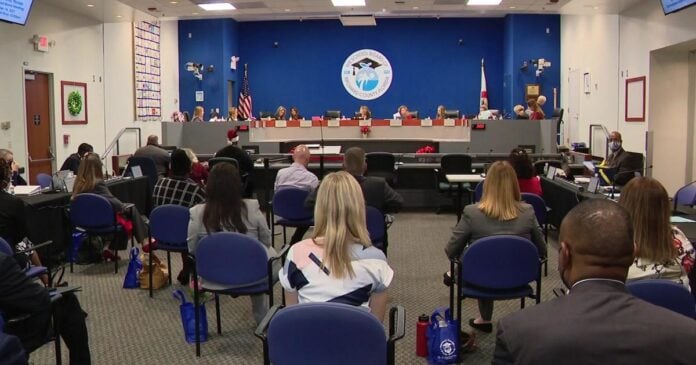
But on Tuesday, the school board to dissolve the program in a 5-to-2 vote.
Those who opposed the program said it was an avenue that allowed students off the hook without involving law enforcement.
It also faced much criticism in 2018 because the Parkland shooter Nikolas Cruz was assigned to the program but never completed it. Crus attended Stoneman Douglas High School but was expelled in 2017 for disciplinary reasons. As he could not be expelled from the Broward County School system completely, he was transferred to an alternative placement. He is currently serving life in prison.
Read: Parkland school shooter formally sentenced to life in prison

Plans for a revamped program
According to Broward Schools Superintendent Peter Licata, there will be a proposal for a revamped program. But for now, all of the services offered by the program will remain in place. He says he wants the district to be proactive in dealing with misdemeanor crimes committed by students.
“It’s our responsibility as a school district that if an action happens in a certain school, we have to make sure that they’re trained to do the same thing as another school,” he told the board.
“We want to make sure that everything is done front instead of back. Stop working on the reaction and be proactive in that. So those services will probably expand as we move forward.”
Related: Broward County School Board approves new sex education curriculum amidst heated debate