Plans are underway by the Government to establish Jamaica’s first shelter dedicated to supporting boys who are victims of human trafficking.

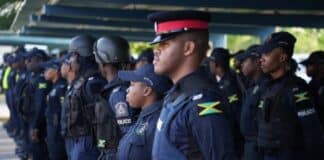
This initiative is being spearheaded through a partnership between the Ministry of National Security and the Ministry of Culture, Gender, Entertainment and Sport, through its Bureau of Gender Affairs (BGA).
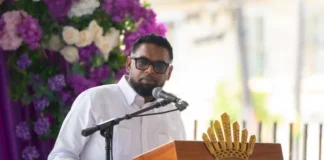
Gender Minister, Hon. Olivia Grange, made the disclosure during the Ministry’s recent Outstanding Father Awards Ceremony at The Jamaica Pegasus hotel in New Kingston.

Against the backdrop of shelter services primarily catering to female victims, Minister Grange acknowledged growing public concern over the absence of comparable facilities for males.
“What we have found out is that the victims of human trafficking are mainly boys. So, the next step in the work of the Bureau [is] working closely with the Ministry of National Security to establish [a] shelter for boys who are victims,” the Minister indicated.
The shelter will serve as a safe haven, providing specialised support and rehabilitation services to help young male survivors of trafficking to heal, recover, and reintegrate into society.

“We are ensuring that we put in place a facility that will help our boys who are victims,” Ms. Grange said.
Human trafficking remains a significant issue across Jamaica and the wider Caribbean region. The island has been identified as both a source and destination country for trafficking victims, including children subjected to forced labour, sexual exploitation, and other forms of abuse.
According to reports by the United Nations and regional organisations, boys and girls alike fall victim to trafficking, but boys are often underrepresented in victim support services, which historically have focused on female survivors. This disparity has raised concerns among advocates who argue that male victims face unique vulnerabilities and require specialised care.

The Caribbean region as a whole grapples with trafficking challenges due to its geographic position as a transit point and the economic hardships faced by many communities, which traffickers exploit. Governments in the region have been working to strengthen legislation, improve victim identification, and expand services to all survivors, but gaps remain.
In Jamaica, existing shelters and support programmes largely cater to women and girls. The proposed new shelter for boys victims of trafficking represents a critical step toward addressing this gap, ensuring that all survivors have access to safe spaces for recovery and reintegration.