As hunger deepens in Haiti and climate and disease threats loom over Caribbean food systems, the Food and Agriculture Organization of the United Nations (FAO) is calling for a coordinated regional response, following a high-level mission to Haiti and the Dominican Republic this week.

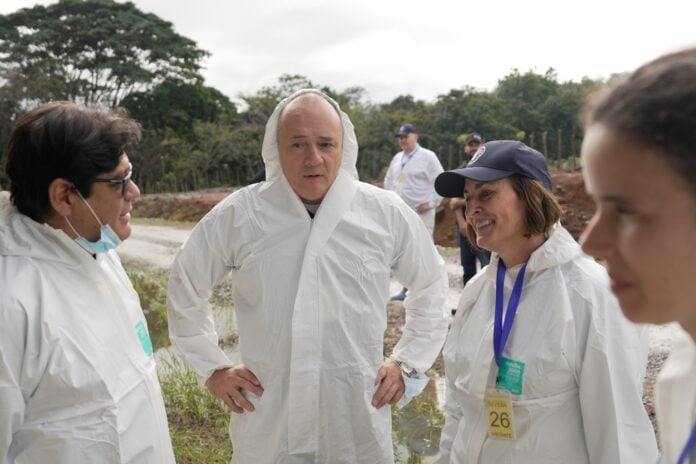
The mission was led by FAO Deputy Director-General Beth Bechdol, along with senior regional and emergency officials, and focused on strengthening agriculture as a frontline humanitarian response in Haiti while advancing biosecurity, disaster preparedness and market stability in the Dominican Republic.
In Haiti, where more than 5.7 million people are facing high levels of acute food insecurity, FAO officials underscored the continued importance of agriculture as a primary livelihood for rural communities. Through its Emergency Food Production approach, FAO supports vulnerable families in producing food within 90 days, even during crisis conditions.

In 2025, FAO assisted more than 140,000 people in Haiti by distributing over 210 tonnes of seeds to 76,000 farmers. The initiative resulted in the production of more than 7,500 tonnes of food across 4,300 hectares, according to the organization.
In the Dominican Republic, discussions centred on protecting agrifood systems from major risks, including transboundary animal diseases, climate-related hazards and supply chain disruptions. FAO has also been working to strengthen regional trade and market integration across the Caribbean.
Over the past two years, FAO has supported biosecurity improvements in the Dominican Republic’s livestock sector, including the certification of 25 pig farms. These measures reduced viral circulation and increased biosecurity compliance from 35 per cent to nearly 80 per cent, boosting pork export potential and foreign exchange earnings.

“Travelling to both countries, I am deeply convinced that agriculture is not just a lifeline in today’s crises—it’s the foundation for stability and food security,” Bechdol said. “In Haiti, where families endure relentless shocks, farming remains the daily anchor sustaining households and the seedbed for rebuilding resilient livelihoods.”
She added that in the Dominican Republic, strong biosecurity measures help protect farmers, sustain markets and support regional trade, demonstrating the importance of sustained investment in agriculture tailored to local conditions.
To expand its work in Haiti, FAO is seeking US$108 million to support 860,000 people through emergency food production and livelihood protection initiatives. In the Dominican Republic, the agency is working with partners to mobilize additional resources to expand biosecurity coverage, strengthen livestock systems and protect national and regional food supply chains.

“A scale-up in funding and support is urgently required to allow FAO to save lives and dignity through delivering tangible results for farmers and communities,” said Rein Paulsen, Director of FAO’s Office of Emergencies and Resilience.
FAO officials said the dual-country mission reflects the agency’s integrated regional approach, combining immediate humanitarian action with long-term investments aimed at preventing future food crises and strengthening resilience across the Caribbean.