In the eastern city of Santiago, small groups of protesters took to the streets on Sunday, venting their frustrations over prolonged power outages lasting up to eight hours and widespread food shortages gripping Cuba.
The demonstrations, captured in videos circulating on social media platforms, depicted protesters gathering on the city’s outskirts, approximately 800 kilometers (500 miles) away from the capital, Havana.
Confirmation and dispersal
State media acknowledged the protests in Santiago, while reports from the US Embassy in Havana indicated similar demonstrations unfolding in various provinces across the island.

Cuban President Miguel Díaz-Canel acknowledged the unrest in a social media post, although he refrained from specifying their exact locations.
Roots of discontent
El Necio, a news outlet with ties to the government, attributed the protests in Santiago to the prolonged power outages and other challenges stemming from Cuba’s ongoing economic crisis.
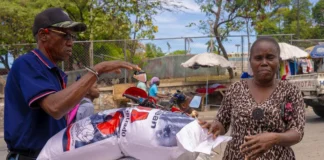
The nation is grappling with one of its most severe economic and energy crises in history, marked by escalating waves of blackouts exacerbating existing grievances over food scarcities and soaring inflation.
The dire situation has prompted hundreds of thousands of Cubans to seek refuge abroad, with many setting their sights on the United States.
Social media amplifies dissent
Videos circulated widely on platforms such as X and Facebook, showcasing demonstrators chanting “Electricity and food.”
One individual, speaking anonymously to The Associated Press from Santiago, revealed that internet services were promptly cut off following the protests.

Several users on the X social network also reported experiencing internet disruptions in Santiago.
Digital dissent and government response
In recent years, the internet has emerged as a pivotal tool for dissent in Cuba, enabling the dissemination of information regarding anti-government protests.
However, it has also become a battleground for the spread of misinformation. Notably, during the 2021 mass demonstrations triggered by similar grievances, the government resorted to internet shutdowns to quell dissent.
Allegations and responses
Cuban President Díaz-Canel attributed the protests to “anti-government terrorists” based in the United States, accusing them of inciting unrest aimed at destabilizing the nation.
On social media platform X, he condemned external forces for exploiting domestic grievances to sow discord.
Meanwhile, the US Embassy urged the Cuban government to respect the rights of protesters and address the legitimate concerns of the populace.
The embassy’s statement underscored the importance of upholding human rights amid the demonstrations.
Reports are that earlier in the day, Beatriz Jhonson Urrutia, secretary of the Communist Party of Cuba in Santiago, ventured into the protests to engage with demonstrators and listen to their grievances.
Although police presence was reported, there were no indications of arrests or violence.