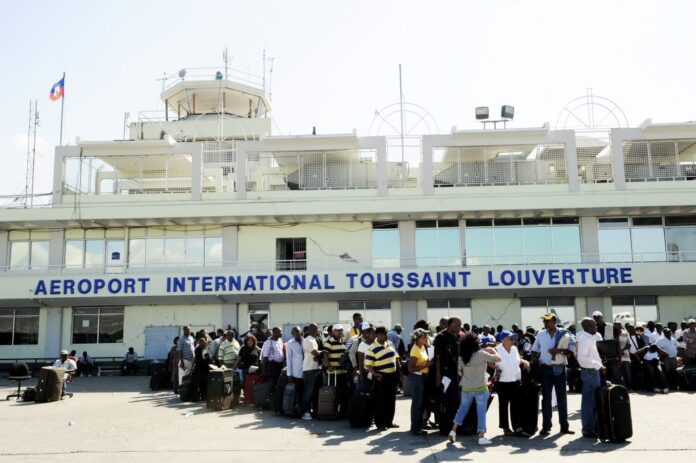
Haiti’s government has recently announced an initiative to impose air navigation fees on all aircraft flying over its airspace.

This move is part of a broader strategy to enhance the country’s aviation management and bolster its revenue streams. To support this initiative, local officials have installed advanced radar systems in key locations across the nation, which are connected to the control tower at Toussaint Louverture International Airport.
The implementation of these radars is expected to significantly improve the monitoring and management of Haiti’s airspace. By providing real-time data to air traffic controllers, the radars will enhance safety and security for both domestic and international flights. This upgraded infrastructure allows for better tracking of aircraft, helping to ensure that air traffic operates smoothly and efficiently.

Haiti’s main international gateway, Toussaint-Louverture International Airport in Port-au-Prince, was closed from March to May 2024 due to escalating gang violence. The airport reopened on May 20, 2024, after authorities took decisive action, bulldozing hundreds of homes that gangs were using to target the airport with gunfire.
The US State Department currently advises against all travel to Haiti, citing risks such as kidnapping, crime, civil unrest, and limited healthcare options. Additionally, the US has issued an airspace warning for Haiti, highlighting potential unpublished restrictions affecting airports and airspace in the region.
Meanwhile, the airports in Cap-Haitien and Les Cayes have reopened and are operating limited commercial flights, with connections available to the United States.