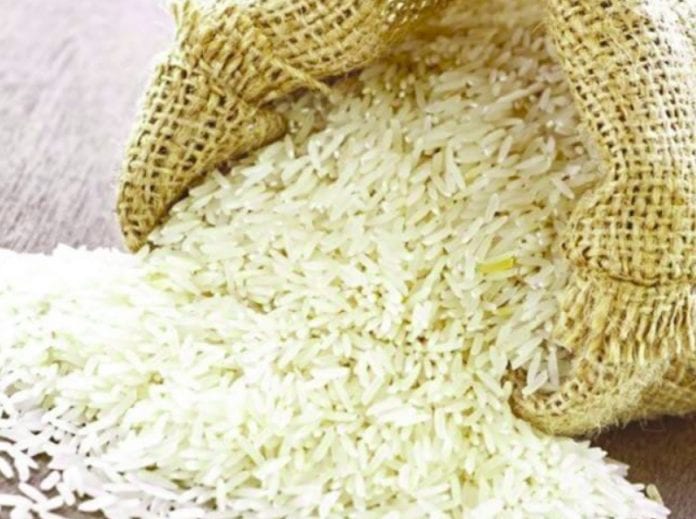
Guyana has introduced a new high-yielding rice variety called ‘GRDB 18’ as part of its initiative to modernize agriculture through innovation and technology. Agriculture Minister Zulfikar Mustapha highlighted the variety’s resilience, stating, “This variety is very tolerant to waterlogging, which is crucial for maintaining high-quality harvests. It also boasts superior grain quality, enabling us to compete effectively in both local and international markets.”

Mahendra Persaud, chief scientist at the Guyana Rice Development Board (GRDB), noted that after 120 trials, there has been no decline in rice recovery rates. “From our trials, the average yield is around 7.2 tons per hectare, which is about 45 bags per acre. This candidate variety shows great yield potential,” he explained.
Launched at a rice field in Nooten Zuil, East Coast Demerara, GRDB 18 can withstand late harvesting by 10 to 15 days and endure challenging conditions like drought, promising greater resilience for the rice sector. Mustapha also mentioned that in just four years, the GRDB has successfully introduced two rice varieties, with GRDB 16 making its debut in 2020.

He urged the board to develop another high-yielding rice variety that offers better quality and that will increase rice production by next November.
“We have to ensure that we work and commit ourselves to include best practices to transform the rice industry…In the coming years, I am hoping that we can extend our market to about 50 more countries,” he said.
Director General of the Ministry of Agriculture, Madanlall Ramraj, said that varietal development is crucial for increasing rice production in the country, noting that the rice industry is valued at GUY$100 billion (One Guyana dollar=US$0.004 cents), with over GUY$42 billion worth of seed paddy sold to mills last year.

He said that exports from mills to other countries amounted to GUY$44 billion, with billions of dollars more in local sales, drainage, irrigation, and machinery.
“We will continue to work to ensure that the farming community benefits from the intervention of the Ministry of Agriculture,” Ramraj added.