



The Association of Caribbean Media Workers (ACM) on Thursday called on authorities in Sint Maarten, specifically the Department of Communication of the Ministry of General Affairs, to promptly withdraw a Media Accreditation Policy proposed to take effect on May 1.
According to the Trinidad-based ACM, the measures announced in the policy, which was sent to the media on April 12, impact the independence of the media and “are in direct contradiction with basic principles attached to observance of press freedom, including unfettered access by the media and, by extension, all residents, and citizens to public information”.
Media practitioners have been given two weeks to consent to the content of the policy which they say makes the government a gatekeeper of information. Those who fail to give consent will have their media passes withdrawn.

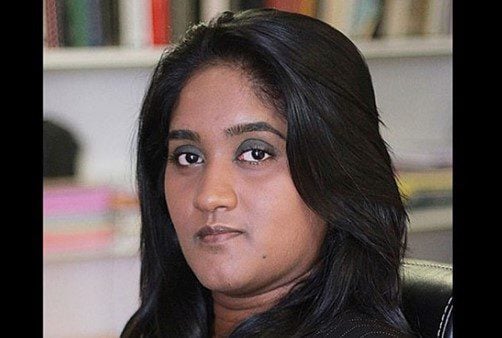
“The policy in its stated intent, its accompanying Code of Conduct, and the sanctions outlined clearly erect obstacles to efficient media coverage of official events and can have a chilling effect on freedom of the press,” ACM president Nazima Raghubir said in Thursday’s statement.
“There are provisions of the policy that permit discriminatory acts against targeted individuals and enterprises and impose conditions that may constitute a restraint of trade against media houses and restrictions on the free conduct of journalism by selected media professionals.”
The ACM said application of the policy is also subject to assessments of the quality of journalistic practice by a state authority in the process of imposing limitations against outputs not deemed to be in line with amorphous editorial guidelines.

“We recommend the wholesale withdrawal of the policy and the design of appropriate media protocols executed by the Department of Information, in consultation with the local media community, and applied exclusively to Press Briefings of the Council of Ministers,” it added.
The ACM’s demand came two days after representatives of a cross-section of media organizations submitted a joint letter to Prime Minister Silveria Jacobs, objecting to some aspects of the policy and requesting a meeting with the Council of Ministers and the Department of Communication (DComm) to discuss the concerns.
“While individual points are to be discussed in the meeting, we find it necessary to point out that the general message as relayed in the media policy is one that slides towards authoritarian government, and there appears to be a serious lack of respect and/or understanding of the role of the media in a free and democratic society,” stated the correspondence sent to Prime Minister Jacobs.

“The idea that government is the gatekeeper of what is to be considered ‘factual’, ‘fair’, ‘impartial’, and ‘unbiased’ information, or what ‘quality’ journalism is, is fundamentally flawed,” it added.
The media workers said much of the new media policy is subjective, vague, and leaves room for interpretation and arbitrary implementation – not only in terms of government choosing what it deems quality journalism, but in references to media representatives acting in ways “not consistent with the principles” of government, the Ministry of General Affairs, or DComm, or “abusing” media “privileges”.
The media practitioners have requested that the implementation of the policy be postponed for four months.
CMC/







 called on authorities in Sint Maarten to promptly withdraw a Media Accreditation Policy)