Caribbean climatologist warns of quieter but unpredictable hurricane season
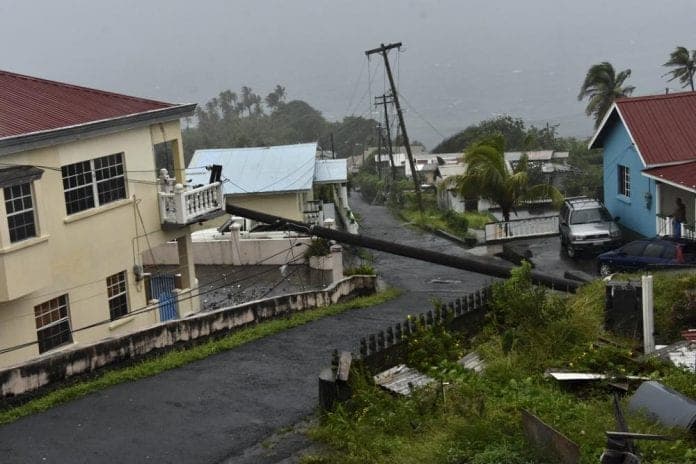
An electrical pole felled by Hurricane Elsa leans on the edge of a residential balcony, in Cedars, St. Vincent, Friday, July 2, 2021. Elsa strengthened into the first hurricane of the Atlantic season on Friday as it blew off roofs and snapped trees in the eastern Caribbean, where officials closed schools, businesses and airports. (AP Photo/Orvil Samuel)
Key Points(5)
- Caribbean climatologist Cedric Van Meerbeeck is forecasting a quieter but potentially unpredictable Atlantic hurricane season this year, warning that even a below-average season could still bring dangerous storms, flooding, drought and extreme heat across the region.
- Speaking at the 2026 Wet/Hurricane Season Caribbean Climate Outlook Forum in The Bahamas, Van Meerbeeck said the Caribbean is likely to experience a strong El Niño pattern, which typically suppresses hurricane activity while increasing heat and weather instability.
- He described the upcoming season as “erratic,” with fewer storms overall but a heightened risk of intense rainfall events, flash flooding and prolonged heat waves.
- Van Meerbeeck forecast about five hurricanes during the 2026 Atlantic season, including two major hurricanes, placing activity below the historical seasonal average.
- Despite the lower forecast, he warned that warmer-than-normal sea surface temperatures in parts of the northern Caribbean — including Jamaica, Cuba and The Bahamas — could still fuel extreme weather events.
Caribbean climatologist Cedric Van Meerbeeck is forecasting a quieter but potentially unpredictable Atlantic hurricane season this year, warning that even a below-average season could still bring dangerous storms, flooding, drought and extreme heat across the region.
Speaking at the 2026 Wet/Hurricane Season Caribbean Climate Outlook Forum in The Bahamas, Van Meerbeeck said the Caribbean is likely to experience a strong El Niño pattern, which typically suppresses hurricane activity while increasing heat and weather instability.
He described the upcoming season as “erratic,” with fewer storms overall but a heightened risk of intense rainfall events, flash flooding and prolonged heat waves.
Van Meerbeeck forecast about five hurricanes during the 2026 Atlantic season, including two major hurricanes, placing activity below the historical seasonal average.
Despite the lower forecast, he warned that warmer-than-normal sea surface temperatures in parts of the northern Caribbean — including Jamaica, Cuba and The Bahamas — could still fuel extreme weather events.
The climatologist also cautioned that although the wet season may provide some relief from drought conditions in certain territories, rainfall may not be sufficient to prevent water shortages later in the year.
He urged Caribbean governments and communities to strengthen water storage systems and drought preparedness measures while rainfall is available.
Van Meerbeeck further warned that excessive heat associated with El Niño conditions is expected to affect vulnerable populations, particularly older adults and young children. He noted that warmer nighttime temperatures could pose additional health risks by limiting relief from daytime heat.
He stressed that fewer hurricanes do not necessarily mean reduced danger for the Caribbean, noting that a single major storm can still cause severe damage to infrastructure, agriculture, water systems and national economies across the region.