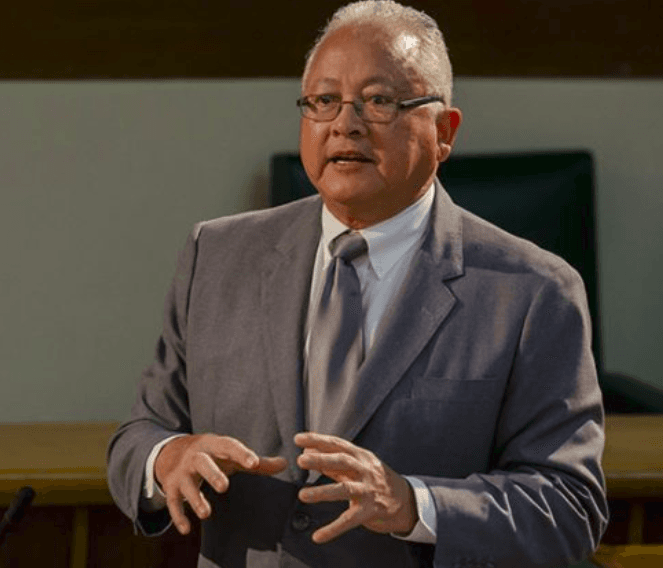
Bermuda gov't pushes 10-year plan to tackle growing housing waitlist
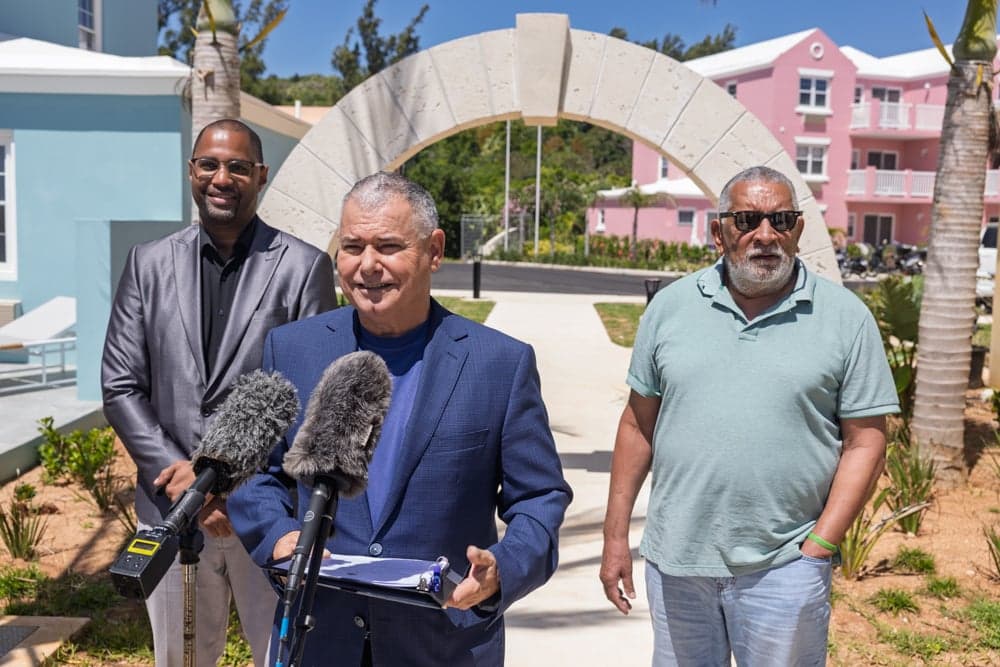
The Bermuda government says it is working “hard” to deliver the housing solutions the island needs, as the Bermuda Housing Corporation (BHC) waitlist grew to more than 350 households over the last two months of 2025.
Deputy Premier and Minister of Housing and Municipalities Zane Desilva told reporters the BHC waitlist rose from 333 in November to 357 in December, with increases across all priority categories. Urgent cases still make up the largest share, but the fastest growth is among regular applicants, many of whom are working individuals and families struggling with rising market rents.
“Nearly 60 per cent of applicants are seeking studio or one-bedroom units, reflecting pressures on seniors, individuals living alone, and smaller households,” Desilva said. He noted that while BHC data captures only part of the housing picture, it highlights the areas of greatest need.
The government is pursuing a long-term Affordable Housing Strategy for 2025–2035 to address these pressures. The strategy aims to expand and diversify housing supply, rehabilitate underused properties, improve affordability and access, modernize regulations, and strengthen governance across the housing system.
Desilva said consultations with government ministries and technical departments are ongoing, with a public consultation draft expected in February. A technical advisory team, including representatives from the BHC and Bermuda Land Management Corporation (BLMC), is exploring alternative construction methods such as precast concrete, modular, and prefabricated systems to reduce costs and accelerate delivery.
Looking ahead to the 2026–27 financial year, over 30 sites owned by the BHC or BLMC have been identified for potential housing development. Ongoing projects are expected to deliver 37 new affordable units in the coming months, he said.
“Taken together, this strategy provides a clear roadmap for delivering affordable and attainable housing over the next ten years,” Desilva said, emphasizing a balanced approach combining new construction, rehabilitation, private-sector participation, and regulatory reform.