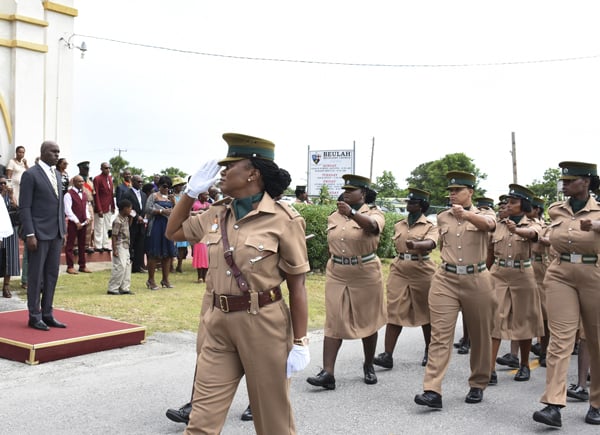
The Barbados Prison Service is entering a new era of reform, with sweeping initiatives aimed at transforming the country’s penal system into a more sustainable, rehabilitative, and inclusive environment for both inmates and staff.

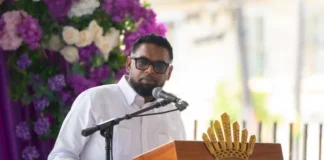
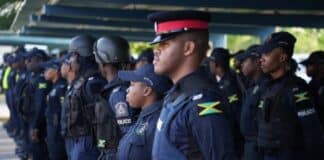
During a graduation ceremony for new recruits, Minister of Home Affairs Wilfred Abrahams unveiled a series of upgrades to prison operations, highlighting environmental sustainability, improved staff welfare, and educational opportunities as central to the government’s agenda.
Among the standout projects is a green energy initiative, developed in partnership with the Barbados National Oil Company, to introduce photovoltaic systems into prison infrastructure. This is complemented by efforts to strengthen food security through the expansion of the prison farm, along with water sustainability measures that include the increased use of recycled water.

Abrahams also outlined plans to modernise the fleet of prison vehicles, with a phased replacement of fossil fuel units in favour of hybrid electric alternatives. Additionally, the prison’s IT systems will be upgraded to improve operational efficiency and prison management.
At the heart of the reform package is a commitment to rehabilitation and reintegration. “You’d be pleased to know that one of those programmes designed to enhance the educational opportunities for prisoners is also going to be open to prison officers as well,” Abrahams said. “Where anybody in prison benefits, you get a chance to benefit as well to become your best selves.”
He reaffirmed the government’s commitment to penal reform, noting that human resource needs will be prioritized and that alternatives to incarceration and broader criminal justice reforms are also in the pipeline.

The minister took time to acknowledge the personal sacrifices of new recruits, many of whom left jobs and families to complete the intensive 14-week live-in training programme. In response, Abrahams announced that apprenticeship pay for future cohorts would be increased.
“We accept that for you to come here, some of you have jobs, some of you have dependents, you have children. For you to come and go into a living programme for 14 weeks, you have to leave that behind and take a gamble on yourself,” he said. “I will support the superintendent of prison in his position to get an increased stipend for the next batch of recruits.”
Abrahams also addressed a longstanding concern within the prison ranks—the issue of unpaid compensation for 12-hour shifts worked during the height of the COVID-19 pandemic.

“I also wish to advise that we are finally in the home stretch of the settlement of the 12-hour compensation package for those who did the 12-hour shifts,” he said. “That has been a bugbear for a number of you for a while and the complete resolution of that is imminent.”
The reforms signal a holistic shift in Barbados’ penal approach, blending environmental consciousness with social justice and institutional accountability.