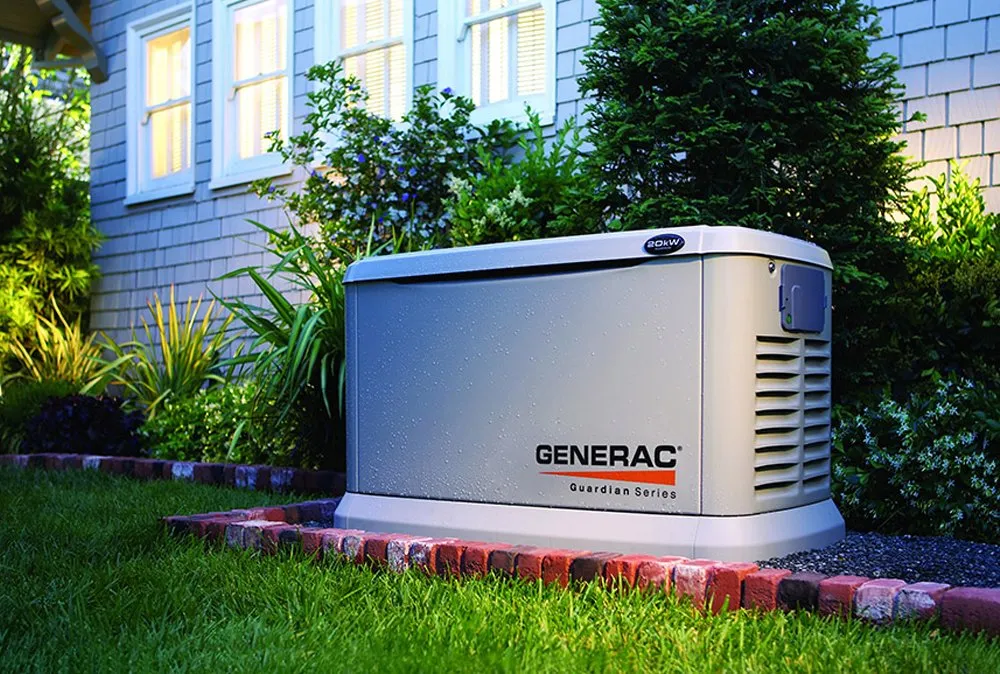
Picking a suitable generator commences with comprehending your house’s power needs. Not all homes use electricity in the same way. Some need backup for just a few lights.
Others require full-house coverage during outages. Buying the best generator for home without checking power requirements can lead to overload or waste of resources. Here’s why power needs should guide your generator purchase.
Helps You Choose the Right Generator Size
Power needs determine how much wattage your generator must produce. Every home appliance draws a certain number of watts. Add up your essentials to get a total requirement. Lights, refrigerators, and sump pumps operate at different voltage levels. Large appliances need more power at startup. Without sizing correctly, the generator could overload. Oversized models waste fuel and are more expensive. Undersized units fail under demand or shut down. A good size match ensures steady performance.

Prevents Overload and System Failure
Generators have output limits just like home circuits. When demand exceeds output, the generator can shut off. Worse, it might damage internal parts or your devices. Overloading can lead to flickering lights or damaged electronics. Surge protectors help, but load control is more important. Knowing your usage helps avoid unsafe operation. Some appliances draw extra power when starting. That surge must be factored into your total load. A balanced load keeps your system stable.
Improves Fuel Efficiency and Runtime
Generators burn fuel based on load and runtime. Running at full capacity burns more gas per hour. Right-sizing helps avoid constant high-output operation. Lighter loads reduce strain and fuel use. You get a longer runtime with fewer refueling stops. This matters during extended outages. Knowing your wattage prevents fuel waste. A well-matched unit runs more efficiently under load. Fuel efficiency keeps your generator useful longer.
Keeps Essential Appliances Running Safely
Every home has appliances that must continue to function properly. These include refrigerators, medical devices, or heating systems. Power loss can spoil food or create health risks. Calculating power requirements ensures these items stay on. Each essential should be listed with its wattage. This allows you to prioritize and plan the load order. Some items need more power to start than to run. Your generator must cover that surge. A proper match ensures they run without issue.
Avoids Buying More Than You Need
Larger generators are more expensive to purchase and maintain. Overspending on capacity you never use wastes money. Many homes can operate comfortably on moderate power. A detailed load list shows what is truly needed. Avoid guessing or rounding up too much. Efficiency depends on balanced usage. Start with what covers your real requirements. Knowing your limits saves money upfront.
Supports Proper Transfer Switch Setup
Transfer switches direct power from the generator to your home circuits. They must match your expected load. If your generator is undersized, you may overload the switch. Too much draw from one zone can trip the system. A load estimate helps balance your circuits. It ensures clean power delivery to each zone. Installers need your power plan to set the switch. Without it, the setup may fail or incur additional costs. Power planning ensures a smoother installation.
Gives Peace of Mind During Emergencies
Storms and outages bring enough stress on their own. Knowing that your generator will perform as expected removes one worry. A power-matched best generator for home means no last-minute surprises. You know what will work and for how long. Emergency use demands reliability and clarity. You should avoid testing limits during a blackout. Accurate planning gives confidence before storms hit. It also helps others in your home feel secure.
A generator is only as good as its power match to your home. Failing to address your energy needs can lead to problems during outages. Power planning ensures safety, comfort, and long-term savings. The extra step makes a big difference in performance. Reliable backup starts with accurate planning. Always consider your power needs before purchasing a generator.